
The Unseen Connection: How Your Gut Health Dictates Your Overall Well-being
Do you ever feel like you’re doing everything right—eating well, exercising, getting enough sleep—but still struggle with bloating, fatigue, or skin issues that just won’t go away? It’s a frustrating cycle, and the answer might lie in a place many of us overlook: our gut. The concept of “leaky gut” has gained significant attention, and understanding the leaky gut symptoms and causes is the first step toward reclaiming your vitality.
This isn’t just about digestion. It’s about the intricate communication between your gut and the rest of your body. When the lining of your intestine becomes compromised, it can trigger a cascade of issues that affect everything from your energy levels to your mood. In this guide, we’ll explore what leaky gut syndrome really is, how to recognize its signs, and what you can do to support your body in rebuilding a strong, healthy gut barrier.
What Is Leaky Gut Syndrome, Exactly?
Imagine the lining of your intestines as a tightly woven net with extremely small holes. This net is designed to let vital nutrients pass through into your bloodstream while blocking harmful substances like toxins, undigested food particles, and bad bacteria. This barrier is incredibly selective and essential for good health.
Leaky gut syndrome, or “increased intestinal permeability,” occurs when the junctions, or “tight junctions,” in this lining loosen. The net becomes damaged, and the holes get bigger. When this happens, substances that should be kept out can “leak” into your bloodstream. Your immune system, not recognizing these foreign invaders, can launch an inflammatory response, which is at the root of many of the symptoms associated with the condition.
Unpacking the Leaky Gut Symptoms and Causes
Recognizing leaky gut can be tricky because its symptoms often overlap with other health conditions. However, by understanding the common signs and the factors that contribute to it, you can start to connect the dots.
Telltale Signs: Recognizing the Symptoms
The inflammation caused by a leaky gut can manifest throughout your body. Some of the most frequently reported symptoms include:
- Chronic Digestive Issues: This is the most direct sign. Frequent gas, bloating, diarrhea, or constipation can indicate that your intestinal lining is irritated and struggling to function properly.
- Food Sensitivities: If you find yourself reacting to foods you previously ate without a problem, it could be a sign of leaky gut. As larger food particles enter the bloodstream, the immune system can mistakenly flag them as threats, leading to new sensitivities.
- Persistent Fatigue: The constant state of inflammation and the body’s effort to fight off perceived threats can be incredibly draining, leading to a feeling of being tired all the time, even after a full night’s sleep.
- Skin Problems: Your skin is often a mirror of your internal health. Conditions like acne, eczema, or psoriasis can be linked to gut inflammation as the body tries to eliminate toxins through the skin.
- Joint Pain: Widespread inflammation can settle in the joints, causing aches and pains that may be mistaken for arthritis.
Uncovering the Root Causes
Several factors can contribute to the breakdown of the intestinal barrier. The most common culprits include:
- Poor Diet: A diet high in processed foods, sugar, and unhealthy fats can promote the growth of harmful gut bacteria, which produce toxins that damage the intestinal lining.
- Chronic Stress: Prolonged stress can weaken the immune system and contribute to inflammation throughout the body, including the gut.
- Toxin Overload: Exposure to environmental toxins, including pesticides and certain medications like NSAIDs, can irritate the gut lining.
- Gut Microbiome Imbalance: An imbalance between beneficial and harmful bacteria, known as dysbiosis, is a primary driver of increased intestinal permeability.
The Gut-Health Connection: How Leaky Gut Affects Your Whole Body
The impact of a compromised gut barrier extends far beyond digestive discomfort. Because your gut is a central hub for your immune system and nutrient absorption, a leak can have far-reaching consequences. It can affect your ability to absorb vitamins and minerals, leading to nutritional deficiencies. It can influence your mood by disrupting the production of neurotransmitters like serotonin, much of which is made in the gut. It can even make weight management more difficult by driving inflammation and insulin resistance.
Understanding this connection is crucial. Addressing the health of your gut isn’t just about feeling less bloated; it’s about supporting your entire system for long-term wellness.
A Practical Approach to Restoring Gut Health
Healing the gut lining is a process that involves both removing the triggers that cause damage and providing the building blocks for repair. A foundational approach often includes:
- Dietary Changes: Focusing on a whole-foods diet rich in fiber, vegetables, and lean proteins can help nourish beneficial gut bacteria. Reducing or eliminating inflammatory foods like sugar, processed snacks, and excessive alcohol is equally important.
- Stress Management: Incorporating practices like mindfulness, meditation, or gentle exercise can help lower stress levels and reduce its negative impact on your gut.
- Targeted Support: This is where focusing on specific nutrients and compounds that help repair the gut lining becomes essential.
The Role of Postbiotics in Gut Repair
You’ve likely heard of probiotics (the good bacteria) and prebiotics (the fiber that feeds them). But there’s a third, crucial player: postbiotics. Postbiotics are the beneficial compounds produced by probiotics when they ferment prebiotic fiber. These compounds, such as butyrate, are the “active” ingredients that directly support gut health.
Butyrate, in particular, is the primary fuel source for the cells that line your colon. It helps them regenerate, strengthens the gut barrier, and helps calm inflammation. While your body can produce its own butyrate, a damaged gut often struggles to do so efficiently. This is where targeted supplementation can offer significant support.
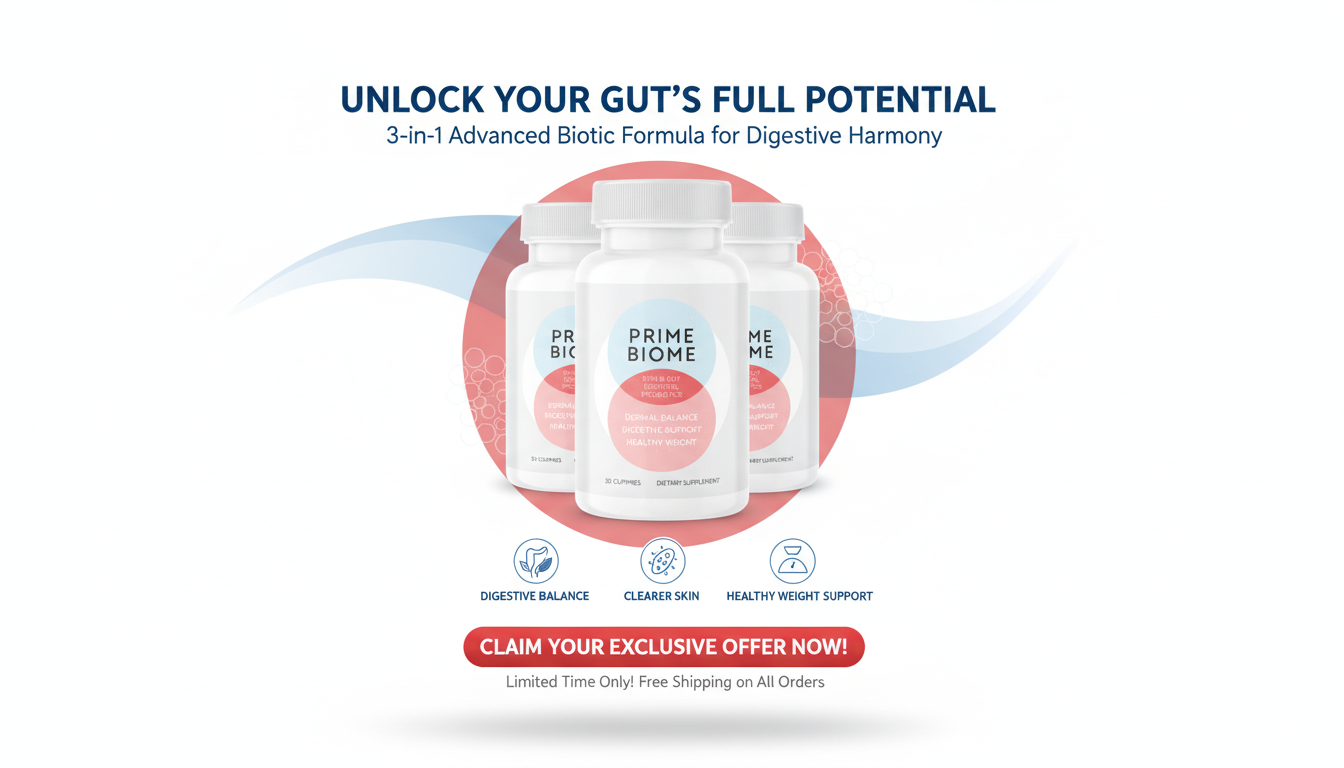
Formulas like PrimeBiome are designed to deliver these beneficial postbiotics directly to your gut. By providing a core ingredient like Tributyrin, which converts into butyrate, it offers the direct fuel your gut cells need to repair and rebuild those tight junctions. This approach bypasses the need to hope that prebiotics and probiotics will produce enough butyrate on their own, instead delivering the end-product right where it’s needed to help restore the integrity of your intestinal wall.
Your Path to a Healthier Gut Starts Now
Navigating the world of gut health can feel overwhelming, but it doesn’t have to be. By understanding the common leaky gut symptoms and causes, you empower yourself to take meaningful action. It begins with mindful choices about your diet and lifestyle and can be enhanced with targeted support designed to rebuild your body’s first line of defense. Remember, the journey to wellness is a marathon, not a sprint, and every positive step you take makes a difference. As always, it is recommended to consult with a healthcare professional before starting any new supplement regimen to ensure it is right for your individual needs.
Frequently Asked Questions (FAQ)
Can you permanently heal a leaky gut?
While “heal” can be a strong word, you can certainly take significant steps to repair the gut lining and manage intestinal permeability. Through consistent dietary changes, stress management, and targeted supplementation, many people can dramatically reduce their symptoms and restore their gut function. It’s more about long-term management than a one-time fix.
How long does it take to see improvements in gut health?
This varies greatly from person to person. Some individuals may notice improvements in bloating and energy within a few weeks, while for others, it may take several months of consistent effort to see significant changes, especially if the damage has been long-standing.
Is a probiotic enough to fix the issue?
While probiotics are beneficial for introducing good bacteria, they are only one part of the puzzle. If the gut environment is highly inflammatory or lacking the fuel to repair itself, probiotics alone may not be enough. This is why a comprehensive approach including prebiotics (fiber) and postbiotics (like butyrate) can be more effective at creating lasting change.