The Unseen Connection: Why Your Gut Health Matters More Than You Think
In our busy lives, it’s easy to dismiss minor discomforts as just part of the daily grind. A little bloating here, some fatigue there—we often push through without a second thought. But what if these subtle signals are your body’s way of sending a crucial message? Your gut, often called the body’s “second brain,” is a complex ecosystem that plays a pivotal role in everything from your mood and immune system to your skin and overall energy levels. Recognizing the signs of an unhealthy gut is the first and most important step toward restoring balance and reclaiming your well-being.
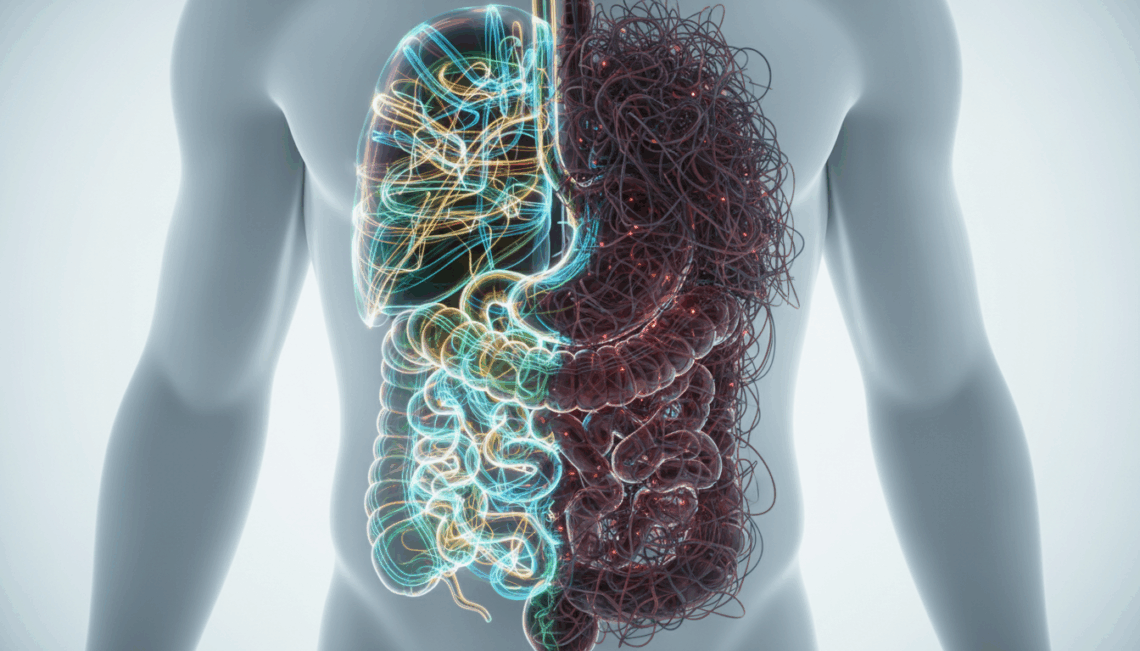
An unhealthy gut microbiome, where harmful bacteria outnumber the beneficial ones, can trigger a cascade of issues that extend far beyond your digestive tract. Understanding these warning signs allows you to move from simply treating symptoms to addressing the root cause. This guide is designed to help you decode your body’s signals, understand the underlying issues, and explore effective ways to support your digestive health. As always, while this information is educational, it is essential to consult with a healthcare professional for personalized medical advice.
1. Persistent Digestive Discomfort
This is perhaps the most obvious sign. If you frequently experience gas, bloating, constipation, diarrhea, or heartburn, your gut is likely struggling. While occasional digestive upset is normal, chronic discomfort is a clear indicator that something is amiss. These symptoms often mean your gut is having trouble processing food and eliminating waste efficiently, which can be a result of an imbalance in gut bacteria or a lack of digestive enzymes.
2. Unexpected Changes in Weight
Gaining or losing weight without making significant changes to your diet or exercise routine can be one of the surprising signs of an unhealthy gut. An imbalanced gut can impair your body’s ability to absorb nutrients, regulate blood sugar, and store fat. For instance, an overgrowth of certain bacteria can lead to increased calorie absorption from food, contributing to weight gain. Conversely, malabsorption caused by an unhealthy gut can lead to weight loss.
3. Constant Fatigue and Poor Sleep
Do you feel tired all the time, even after a full night’s sleep? Your gut could be the culprit. A significant portion of the body’s serotonin, a hormone that affects mood and sleep, is produced in the gut. An unhealthy gut environment can impair this production, leading to insomnia or poor-quality sleep. Furthermore, chronic inflammation stemming from the gut can drain your energy reserves, leaving you in a state of constant fatigue.

4. Skin Irritation and Blemishes
Your skin is often a mirror of your internal health. Conditions like acne, eczema, psoriasis, and rosacea have been linked to gut inflammation. A condition often referred to as “leaky gut” (increased intestinal permeability) allows food particles and toxins to pass from your intestines into your bloodstream. This can trigger a systemic inflammatory response from your immune system, which may manifest on your skin.
5. Food Intolerances
Food intolerances are different from food allergies. They occur when your digestive system struggles to break down certain foods, leading to symptoms like bloating, gas, diarrhea, and abdominal pain. This difficulty in digestion can be caused by a lack of good bacteria in your gut. While the food itself is the trigger, the underlying issue is often a compromised gut environment that can’t handle the digestive load.
6. Mood Swings, Anxiety, and Brain Fog
The gut-brain axis is a powerful connection. An unhealthy gut can contribute to mood disorders, including anxiety and depression, as well as difficulty concentrating or “brain fog.” As mentioned, the gut produces a large amount of serotonin, the “feel-good” neurotransmitter. When the gut environment is out of balance, it can directly impact your mental and emotional state, making it difficult to feel your best.
7. Frequent Illness or Infections
A vast majority of your immune system resides in your gut. The beneficial bacteria in your digestive tract play a critical role in regulating immune responses. If you find yourself catching colds or other infections more frequently than usual, it could be one of the key signs of an unhealthy gut. A compromised microbiome weakens your body’s first line of defense, making you more susceptible to pathogens.
What Causes Gut Imbalance?
Several factors in modern life can disrupt the delicate balance of your gut microbiome. These include:
- A highly processed diet: Diets high in sugar, refined carbohydrates, and unhealthy fats can feed harmful bacteria and starve the beneficial ones.
- Chronic stress: High levels of stress can negatively impact your gut lining and the composition of your microbiota.
- Lack of sleep: Poor sleep patterns have been shown to disrupt the natural rhythms of your gut flora.
- Overuse of antibiotics: While necessary for treating bacterial infections, antibiotics can wipe out both good and bad bacteria, leaving your gut vulnerable.
- Lack of dietary diversity: Eating a wide variety of plant-based foods is crucial for cultivating a diverse and resilient microbiome.
A More Direct Approach: The Power of Postbiotics
Many people are familiar with probiotics (live beneficial bacteria) and prebiotics (the fiber that feeds them). While both are important, there is a third, crucial component to this ecosystem: postbiotics. Postbiotics are the beneficial compounds that are produced when probiotics consume prebiotics. These are the “active” substances—like short-chain fatty acids (e.g., butyrate), enzymes, and other metabolites—that are directly responsible for many of the health benefits we associate with a healthy gut.
Instead of just adding more bacteria (probiotics) and hoping they thrive, a postbiotic approach delivers the finished product directly to your gut. This can be a more efficient and direct way to support your gut lining, reduce inflammation, and promote a balanced microbiome, especially for individuals whose systems struggle to effectively produce these compounds on their own.
This is where a dedicated formula can make a significant difference. For those who have tried various dietary changes and traditional probiotics without finding consistent relief, a comprehensive postbiotic supplement can be a logical next step. Formulations like PrimeBiome are specifically designed to deliver these beneficial compounds directly where they are needed most. By providing a blend of Tributyrin (a potent form of the postbiotic butyrate) along with proven probiotics and prebiotics, it offers a multi-faceted approach to tackling the root signs of an unhealthy gut and fostering long-term digestive wellness.
Taking control of your gut health is a journey, but it starts with recognizing the signs your body is sending you. By listening to these signals and taking proactive steps to nurture your internal ecosystem, you can pave the way for improved energy, clearer skin, a more balanced mood, and overall vitality. Remember to discuss any new supplement regimen with your healthcare provider to ensure it’s the right choice for you.