Do you ever feel like you’re doing everything right—eating well, exercising—but still struggle with bloating, fatigue, or stubborn weight that just won’t budge? It’s a frustrating cycle, and the answer might not be in your diet or workout plan, but deep within your digestive system. Many people overlook the critical role of gut health in their overall well-being, but the truth is, your gut microbiome influences everything from your metabolism to your mood. Recognizing the subtle (and not-so-subtle) signs of an unhealthy gut is the first step toward reclaiming your vitality.
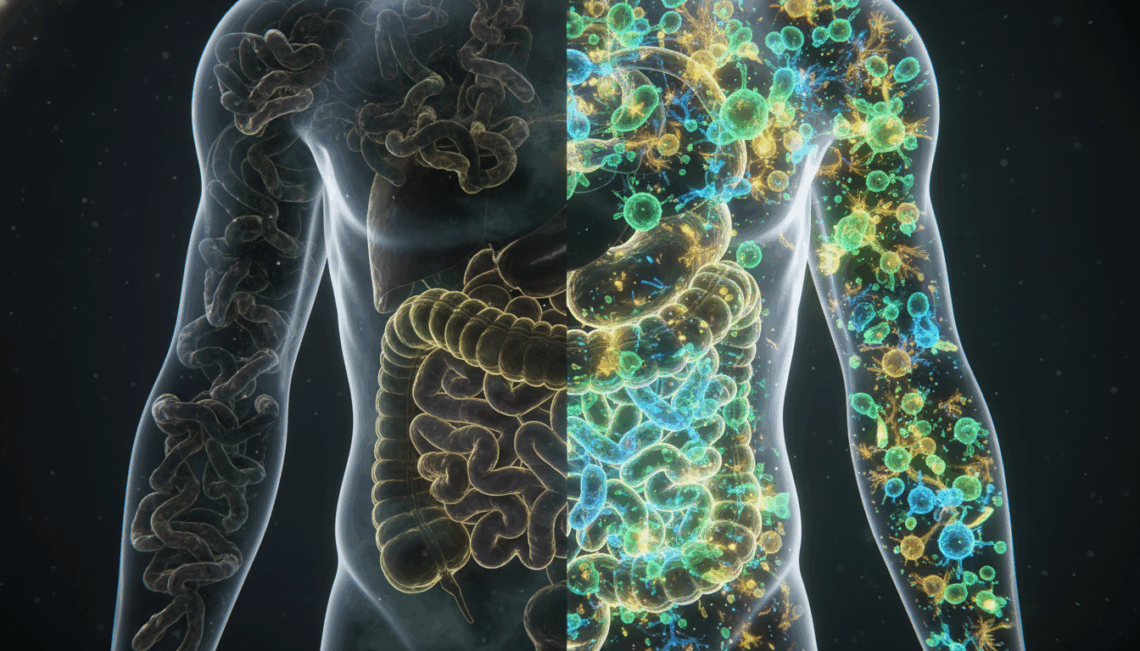
Your gut is home to trillions of microorganisms, including bacteria, fungi, and viruses, that collectively form your gut microbiome. In a healthy state, these microorganisms live in balance, helping you digest food, absorb nutrients, and even regulate your immune system. However, factors like stress, poor diet, and certain medications can disrupt this delicate ecosystem, leading to an imbalance known as dysbiosis. This is where those persistent health issues often begin.
What Exactly Is the Gut Microbiome?
Think of your gut microbiome as a bustling city inside your intestines. When the city is well-managed, everything runs smoothly. Beneficial bacteria, often called “good bacteria,” act as diligent workers, breaking down food, producing essential vitamins, and protecting against harmful invaders. But when “bad bacteria” start to take over, they can cause chaos, leading to inflammation, poor digestion, and a host of other problems that ripple throughout your body.
This internal ecosystem is so influential that scientists now refer to it as a “second brain.” It communicates directly with your actual brain, impacting your mental health, cravings, and energy levels. Understanding this connection is key to identifying the core issues behind your symptoms.
5 Key Signs of an Unhealthy Gut
If your gut is out of balance, it will send signals. Learning to read them is crucial. Here are five of the most common signs that your gut microbiome may need attention.
1. Persistent Bloating and Digestive Discomfort
Occasional bloating is normal, especially after a large meal. But if you experience chronic bloating, gas, diarrhea, or constipation, it’s a major red flag. These symptoms often indicate that your gut is struggling to digest food properly, likely due to an imbalance of bacteria. Bad bacteria can produce excess gas as they ferment undigested food, leading to that uncomfortable, swollen feeling.
2. Unexplained Weight Changes
Gaining or losing weight without changing your diet or exercise habits can be one of the most frustrating signs of an unhealthy gut. An imbalanced microbiome can impair your body’s ability to absorb nutrients, regulate blood sugar, and store fat. Certain types of “bad” bacteria are more efficient at extracting calories from food, which can lead to weight gain. Conversely, an overgrowth of other microbes can lead to malabsorption and unintentional weight loss.
3. Constant Sugar Cravings
Do you find yourself constantly craving sugary snacks? It might not be a lack of willpower—it could be your gut bacteria. Unhealthy gut microbes thrive on sugar. They can send signals to your brain that increase your cravings for the very foods they need to multiply. This creates a vicious cycle: you eat sugar, the bad bacteria flourish, and they make you crave even more sugar.

4. Skin Irritation and Issues
Your skin often reflects what’s happening inside your gut. Conditions like eczema, psoriasis, and acne can be linked to gut inflammation. When the gut lining becomes compromised (a condition sometimes called “leaky gut”), toxins and undigested food particles can escape into the bloodstream, triggering an immune response that manifests as skin irritation. A happy gut often leads to clearer, healthier skin.
5. Mood Swings, Brain Fog, and Fatigue
The gut-brain axis is a powerful connection. A significant portion of your body’s serotonin, the “feel-good” neurotransmitter, is produced in the gut. When your microbiome is imbalanced, it can disrupt serotonin production, contributing to mood swings, anxiety, and even depression. Similarly, chronic inflammation originating in the gut can lead to persistent fatigue and “brain fog,” making it difficult to concentrate.
How to Restore Your Gut Balance Naturally
The good news is that you have the power to improve your gut health. Making simple, consistent lifestyle changes can help restore balance to your microbiome and alleviate your symptoms. As always, it is wise to consult with a healthcare professional before making significant changes to your health regimen.
Focus on a Fiber-Rich Diet
Fiber is a prebiotic, which means it’s food for your good gut bacteria. Incorporating a variety of fruits, vegetables, legumes, and whole grains into your diet can help nourish your beneficial microbes. Aim for diversity—eating a wide range of plant foods helps cultivate a more robust and resilient microbiome.
Incorporate Fermented Foods
Fermented foods like yogurt, kefir, kimchi, and sauerkraut are natural sources of probiotics—the good bacteria themselves. Adding these to your diet can help replenish the populations of beneficial microbes in your gut.
Manage Stress Levels
Chronic stress can wreak havoc on your gut health. It can decrease blood flow to the gut, increase inflammation, and alter the composition of your microbiome. Practices like meditation, yoga, deep breathing, or even just taking a walk in nature can help manage stress and support a healthier gut.
When Diet Isn’t Enough: The Role of a Targeted Probiotic
While diet and lifestyle changes are fundamental, sometimes your gut needs a more targeted approach to restore balance. Modern diets often lack the specific strains of beneficial bacteria needed to combat the effects of stress, environmental toxins, and processed foods. This is especially true for specific “lean bacteria” scientifically studied for their role in metabolism and weight management.
This is where a high-quality probiotic supplement can be a game-changer. For those struggling with stubborn weight and digestive issues, a formula like PrimeBiome offers a strategic advantage. It is specifically designed to replenish the gut with powerful probiotic strains, such as Lactobacillus Gasseri, which research suggests may play a role in reducing belly fat and supporting a healthy weight. By directly introducing these beneficial microbes, you can help rebalance your internal ecosystem and address the root cause of your symptoms more effectively than with diet alone.
Conclusion: Your Path to a Healthier Gut
Recognizing the signs of an unhealthy gut is the first and most important step on your journey to better health. Persistent bloating, unexplained weight gain, and constant cravings are not just minor inconveniences—they are signals from your body that something is out of balance. By adopting a gut-friendly lifestyle and considering targeted support from a specialized probiotic, you can restore harmony to your microbiome, improve your digestion, and unlock a new level of energy and well-being. Your path to feeling your best truly begins in your gut.
Frequently Asked Questions (FAQ)
What are the worst foods for gut health?
Highly processed foods, artificial sweeteners, and excessive sugar are among the worst offenders. They feed “bad” bacteria, promote inflammation, and can disrupt the delicate balance of your microbiome. Limiting these in your diet is a great step toward better gut health.
How long does it take to heal your gut?
The timeline for improving gut health varies for everyone. Some people may notice positive changes in a few weeks, while for others, it might take several months of consistent effort. The key is to be patient and stick with healthy habits.
Can a probiotic really help with weight loss?
While a probiotic is not a magic weight loss pill, evidence suggests a strong link between a balanced gut microbiome and a healthy weight. Certain probiotic strains appear to influence how the body stores fat and regulates appetite. When combined with a healthy diet and exercise, a targeted probiotic can be a powerful tool in a weight management plan. Always consult your doctor for personalized advice.