Do you ever feel like you’re doing everything right—eating well, exercising, getting enough sleep—but still struggling with bloating, fatigue, or stubborn weight that just won’t budge? It’s a frustrating experience that millions of people face, often leaving them feeling defeated. The culprit might not be your diet or workout routine, but something deeper: your gut. Recognizing the signs of an unhealthy gut is the first step toward reclaiming your well-being and finally feeling your best.
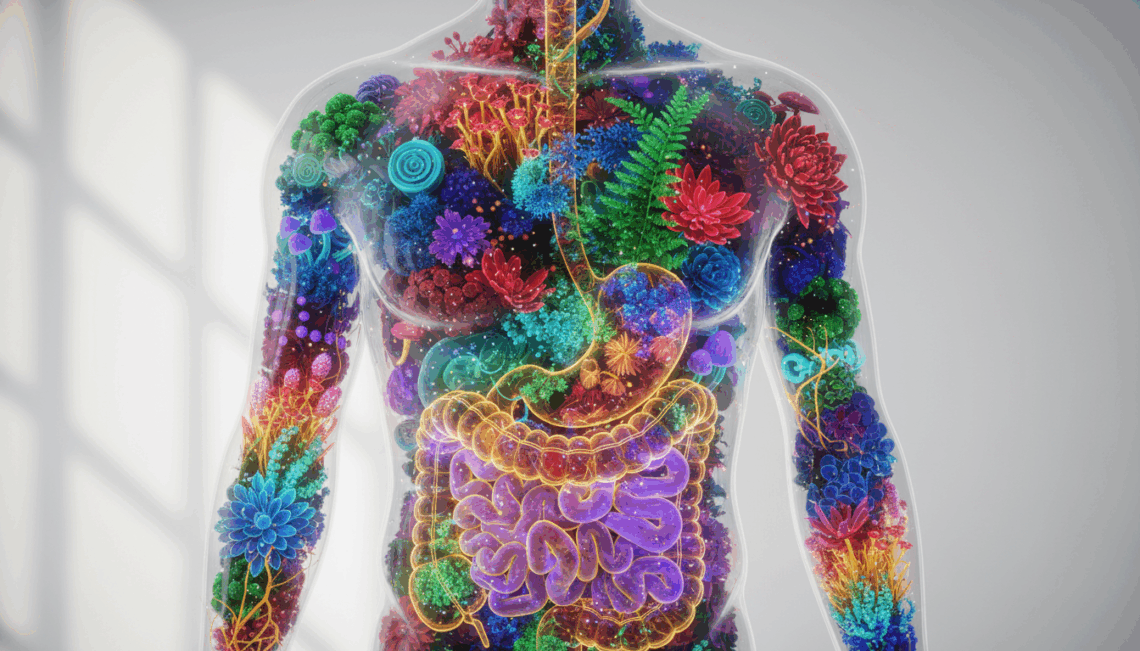
Your gut microbiome, a complex ecosystem of trillions of bacteria, fungi, and other microbes, plays a crucial role in nearly every aspect of your health. It aids digestion, supports your immune system, regulates your mood, and even influences your weight. When this delicate ecosystem is out of balance, a condition known as dysbiosis, it can trigger a cascade of issues that go far beyond a simple stomach ache. Understanding these signals is key to addressing the root cause instead of just treating the symptoms.
1. Persistent Bloating, Gas, and Abdominal Discomfort
Occasional bloating is normal, especially after a large meal. However, if you find yourself constantly feeling gassy, bloated, or experiencing abdominal pain, it could be one of the clearest signs of an unhealthy gut. When your gut microbiome is imbalanced, certain “bad” bacteria can ferment undigested food, producing excess gas. This leads to that uncomfortable, tight, and swollen feeling in your abdomen. This isn’t just about discomfort; it’s a direct signal that your digestive process isn’t functioning optimally and that harmful microbes may be overpowering the beneficial ones.
2. Unexplained Weight Changes
Have you been gaining weight without any significant changes to your diet or exercise habits? Or perhaps you’re losing weight without trying? Your gut could be the reason. An imbalanced gut can impair your body’s ability to absorb nutrients, regulate blood sugar, and store fat. Certain types of “fattening” bacteria are more efficient at harvesting calories from food, which can lead to weight gain. Conversely, an overgrowth of other microbes can lead to malabsorption, causing unintended weight loss. If the number on the scale is moving unexpectedly, it’s time to consider your gut health.
3. Constant Fatigue and Poor Sleep
Feeling drained all the time, even after a full night’s sleep? An unhealthy gut could be silently sabotaging your energy levels. A significant portion of your body’s serotonin, a hormone that affects mood and sleep, is produced in the gut. Gut dysbiosis can interfere with serotonin production, leading to insomnia or poor-quality sleep. Furthermore, chronic gut inflammation can trigger a body-wide immune response, consuming vast amounts of energy and leaving you in a state of constant fatigue. If you can’t seem to shake that tired feeling, your gut microbiome might be crying out for help.

4. Skin Irritation and Problems
Your skin is often a mirror reflecting your internal health. Conditions like eczema, psoriasis, rosacea, and persistent acne have been linked to gut problems. A “leaky gut,” where the intestinal lining becomes permeable, allows toxins and undigested food particles to enter the bloodstream. This can trigger systemic inflammation, which then manifests on your skin. If you’re struggling with skin issues that don’t respond to topical treatments, addressing your gut health could be the missing piece of the puzzle.
5. Food Intolerances or Sensitivities
Suddenly finding that you can’t tolerate foods you used to eat without a problem? This is different from a true food allergy. Food intolerances, which can cause symptoms like bloating, gas, diarrhea, and nausea, may be a result of poor-quality gut bacteria. An unhealthy gut microbiome can struggle to digest certain foods properly, leading to these adverse reactions. If your list of “problem foods” keeps growing, it might not be the foods themselves but the state of your gut that needs attention.
6. Mood Swings, Anxiety, and Brain Fog
The gut-brain axis is a powerful connection, and an unhealthy gut can directly impact your mental and emotional state. As mentioned, the gut produces a large amount of serotonin, the “feel-good” neurotransmitter. When production is disrupted, it can contribute to mood swings, anxiety, and even depression. Furthermore, gut inflammation can lead to “brain fog,” making it difficult to concentrate, remember things, or think clearly. If you’re experiencing these cognitive or emotional struggles, nurturing your gut could bring surprising mental clarity.
7. Frequent Cravings for Sugar and Processed Foods
Do you constantly crave sugary snacks or refined carbohydrates? These cravings might not be a simple lack of willpower. The “bad” bacteria and yeast in your gut thrive on sugar. When they are overgrown, they can send signals to your brain, effectively hijacking your cravings to demand more of their favorite food source. This creates a vicious cycle: you eat sugar, which feeds the bad microbes, which then makes you crave even more sugar. Breaking this cycle often starts with rebalancing your gut microbiome to reduce the power of these unhealthy cravings.
How to Restore Balance to Your Gut
Recognizing the signs of an unhealthy gut is the crucial first step. The next is taking action. While lifestyle changes like eating a fiber-rich diet, reducing stress, and getting regular exercise are fundamental, they sometimes aren’t enough to correct a significant imbalance. The modern diet and environment can make it difficult to maintain a healthy population of beneficial “slimming” bacteria.
This is where targeted support can make a profound difference. To effectively combat the overgrowth of “fattening” bacteria and restore equilibrium, you need to repopulate your gut with the right kinds of beneficial microbes. A high-quality, scientifically formulated probiotic can deliver a concentrated dose of the specific bacterial strains needed to support digestion, reduce bloating, and assist in healthy weight management.
For those who identify with the struggles of bloating and unexplained weight gain, a specialized formula like PrimeBiome can be a game-changer. It is specifically designed with key “thinning bacteria” strains like Lactobacillus Gasseri and Lactobacillus Rhamnosus, which have been studied for their potential role in supporting a healthier body composition. By directly introducing these powerful allies into your system, you can help shift the balance in your favor, addressing the root cause of your discomfort and frustration.
Conclusion: Listen to Your Body
Your body is constantly sending you signals. Persistent bloating, stubborn weight, fatigue, and mood swings are not things you just have to live with. They are important signs of an unhealthy gut that require your attention. By understanding this connection, you can move beyond frustrating symptoms and address the underlying imbalance. A balanced gut microbiome is foundational to overall health, influencing everything from your waistline to your mental clarity. Take the first step today by acknowledging these signs and giving your gut the support it needs to thrive.
Disclaimer: The information provided in this article is for educational purposes only and is not a substitute for professional medical advice, diagnosis, or treatment. Always seek the advice of your physician or other qualified health provider with any questions you may have regarding a medical condition. Never disregard professional medical advice or delay in seeking it because of something you have read here.