The Unseen Connection: How Your Gut Health Dictates Your Skin’s Fate
For years, the beauty industry has pointed us toward a cabinet full of creams, serums, and exfoliants. We’ve been told that the secret to radiant, youthful skin lies in what we put on its surface. Yet, many of us follow a meticulous skincare routine, buy the most expensive products, and still face persistent issues like wrinkles, dullness, dark spots, and inflammation. It’s a frustrating cycle that can leave you feeling hopeless. But what if the answer isn’t in your bathroom cabinet, but in your kitchen? What if the root cause of your skin concerns lies deep within your body? This is where we explore the critical gut health and skin connection, a concept that is revolutionizing our approach to skincare.
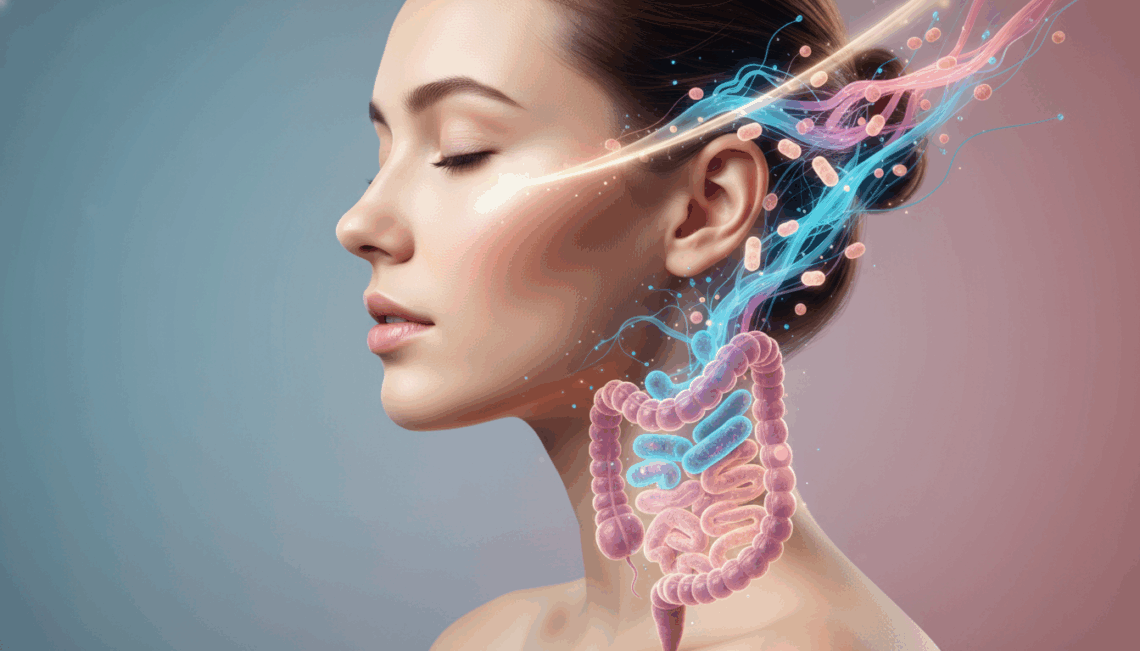
Emerging science is shedding light on a powerful dialogue happening inside our bodies, known as the gut-skin axis. This intricate communication network links your digestive system directly to the health and appearance of your skin. The idea is simple yet profound: a happy, balanced gut environment can lead to clear, glowing skin, while an imbalanced one can trigger a host of frustrating skin problems. It’s time to look beyond the surface and understand how nurturing your inner ecosystem is the true secret to lasting skin health.
What Exactly Is the Gut-Skin Axis?
The gut-skin axis is a term for the constant, two-way communication between your gastrointestinal (GI) tract and your skin. Think of it as a superhighway where information is constantly being exchanged. Your gut is home to trillions of microorganisms, including bacteria, fungi, and viruses, collectively known as the gut microbiome. When these microorganisms are in a state of balance (a state called symbiosis), they play a crucial role in your overall health. They help digest food, produce essential vitamins, regulate your immune system, and even influence your mood.
This balance is key. When your gut microbiome is healthy, it helps maintain a strong gut lining, which acts as a gatekeeper, carefully controlling what gets absorbed into your bloodstream. A healthy gut ensures that nutrients are absorbed efficiently while preventing toxins, undigested food particles, and harmful bacteria from escaping. This internal harmony is directly reflected on your skin, which remains calm, well-nourished, and better equipped to defend itself against external aggressors.
How an Unhealthy Gut Can Sabotage Your Skin
When the delicate balance of your gut microbiome is disrupted—a condition known as dysbiosis—it can lead to a cascade of problems that eventually show up on your face. This disruption can be caused by a poor diet, stress, lack of sleep, or certain medications. Here’s how an imbalanced gut directly impacts your skin.
Systemic Inflammation and Skin Flare-Ups
An unhealthy gut often leads to a condition called “leaky gut,” where the intestinal lining becomes more permeable. This allows inflammatory substances and toxins to leak into the bloodstream. Your immune system identifies these as foreign invaders and mounts an inflammatory response. This chronic, low-grade inflammation can travel throughout your body and manifest on your skin, triggering or worsening conditions like acne, rosacea, eczema, and psoriasis. If you feel like your skin is constantly red, irritated, or breaking out, systemic inflammation originating from your gut could be the culprit.
Accelerated Aging: The Link to Wrinkles and Dark Spots
The gut health and skin connection also plays a major role in how your skin ages. When your gut isn’t functioning optimally, it can’t absorb essential nutrients—vitamins, minerals, and antioxidants—that your skin needs to produce collagen, fight off free radical damage, and repair itself. This nutrient deficiency weakens your skin’s structure, leading to a loss of elasticity, sagging, and the formation of fine lines and wrinkles. Furthermore, the oxidative stress caused by gut inflammation can directly damage skin cells, contributing to hyperpigmentation and the appearance of dark spots.
Dehydration and a Weakened Skin Barrier
Your skin’s ability to stay hydrated depends on a strong, healthy barrier. This barrier locks in moisture and protects you from environmental damage. An imbalanced gut microbiome can compromise this barrier function. Gut dysbiosis can reduce the production of fatty acids that are essential for skin hydration and integrity. The result is dry, flaky, and dull-looking skin that is more susceptible to irritation and sensitivity. No amount of moisturizer can fix a compromised barrier that stems from an internal issue.
Nourishing Your Gut for Radiant Skin: A Practical Guide
Understanding the problem is the first step. The second, more empowering step is taking action. Improving your gut health doesn’t require a drastic overhaul; it’s about making consistent, positive choices that support your internal ecosystem. By focusing on nourishing your gut, you can directly influence your skin’s health and achieve that radiant glow from within.
Start with Your Diet
The food you eat is the most powerful tool for shaping your gut microbiome. Focus on incorporating a variety of whole, nutrient-dense foods.
- Fiber is Your Friend: Prebiotic fiber, found in foods like garlic, onions, asparagus, bananas, and whole grains, acts as food for your good gut bacteria.
- Embrace Fermented Foods: Foods like yogurt, kefir, kimchi, sauerkraut, and kombucha are rich in probiotics—the live beneficial bacteria that help maintain gut balance.
- Eat the Rainbow: Colorful fruits and vegetables are packed with antioxidants and polyphenols, which reduce inflammation and support a healthy gut.
- Limit Processed Foods and Sugar: High-sugar diets and heavily processed foods can feed harmful bacteria, promoting dysbiosis and inflammation.
Beyond Diet: Probiotics, Prebiotics, and Postbiotics
While diet is foundational, supplements can provide a more targeted approach to gut health. You’ve likely heard of probiotics (the good bacteria) and prebiotics (the food for the good bacteria). But there’s a third, crucial component: postbiotics.
Postbiotics are the beneficial compounds and metabolites that are produced by probiotics when they ferment prebiotic fiber. These substances include short-chain fatty acids (like butyrate), enzymes, and other molecules that are directly responsible for many of the health benefits associated with a good gut. They help strengthen the gut lining, reduce inflammation, and support immune function. In essence, postbiotics are the “active ingredients” that do the heavy lifting.
A Targeted Solution for the Gut-Skin Axis
For those looking to specifically target the gut health and skin connection, addressing all three—pre-, pro-, and postbiotics—is key. While a healthy lifestyle is paramount, modern life can make it difficult to get everything you need from diet alone. This is where a targeted supplement can make a significant difference.
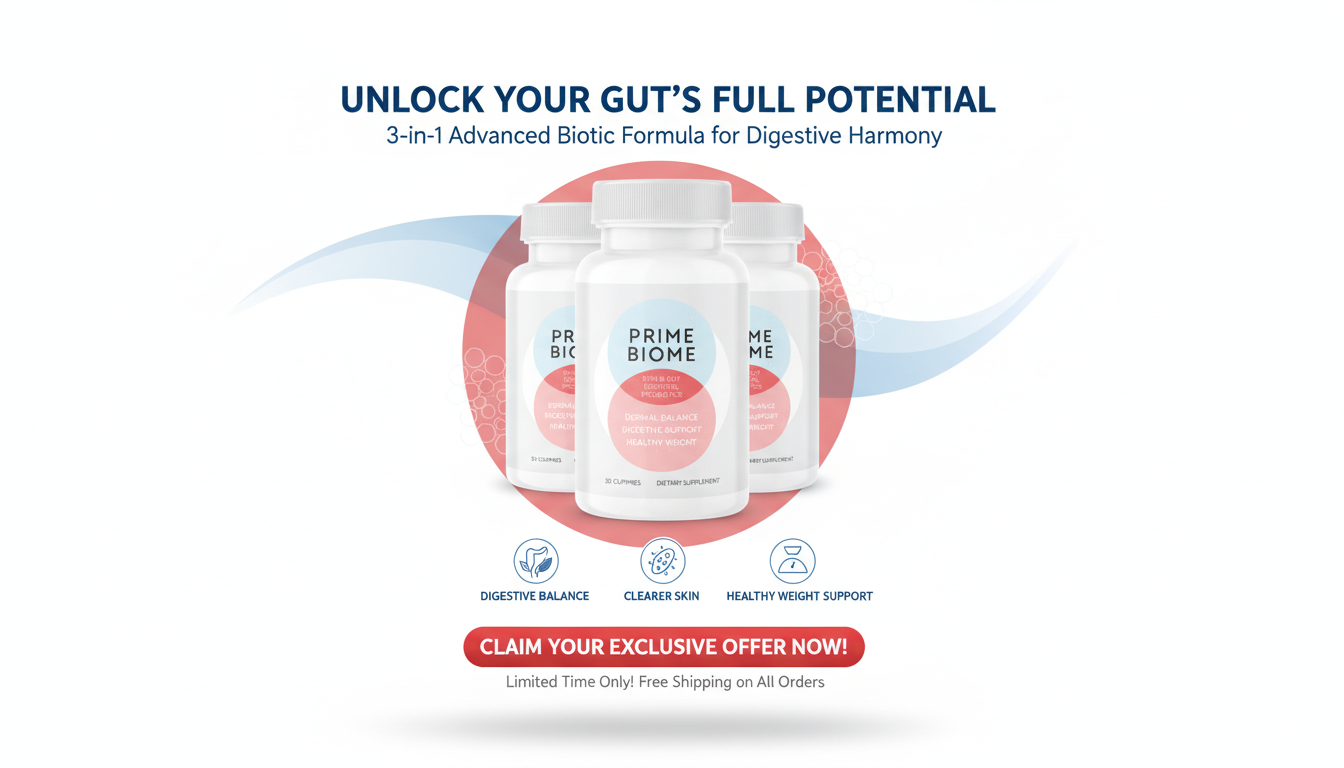
PrimeBiome is a formula designed precisely for this purpose. It’s a postbiotic blend that delivers the beneficial compounds your gut needs to thrive, directly supporting the gut-skin axis. It provides a concentrated dose of the very substances that help calm internal inflammation and provide your skin with the building blocks it needs to look its best. By addressing the root cause of skin issues at the source, it offers a more fundamental solution than topical creams alone.
Conclusion: Your Journey to Healthy Skin Starts Within
The journey to radiant, healthy skin is not about finding the next miracle cream; it’s about understanding and nurturing your body’s internal environment. The gut-skin axis reveals a fundamental truth: your external beauty is a direct reflection of your internal health. By shifting your focus from solely treating the surface to nourishing your gut microbiome, you can address the root cause of persistent skin issues and build a foundation for lasting vitality. A balanced gut doesn’t just promise better digestion—it holds the key to the clear, youthful, and glowing skin you’ve been striving for.
Disclaimer: The information in this article is for educational purposes only and is not intended as medical advice. Always consult with a qualified healthcare professional before starting any new supplement or making significant changes to your diet or lifestyle.