You’ve tried everything. The cleansers, the expensive serums, the spot treatments, and the multi-step routines that promise flawless skin. Yet, you still struggle with persistent blemishes, redness, or a dull complexion that just won’t go away. It’s a frustrating cycle that leaves many feeling defeated, wondering what they’re missing. What if the secret to radiant skin isn’t in your medicine cabinet, but in your gut? This is where understanding the gut health and skin connection becomes a game-changer.
What Exactly is the Gut-Skin Axis?
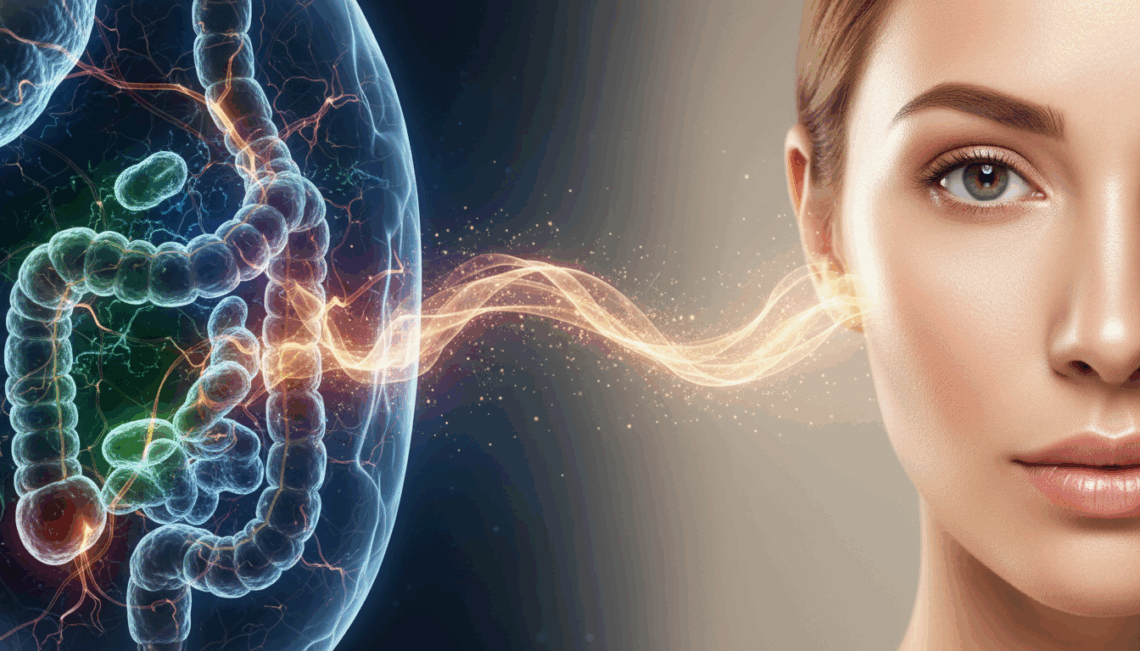
The gut-skin axis is a term used to describe the constant, two-way communication that happens between your digestive system and your skin. Think of it as a superhighway where information is constantly exchanged. Your gut is home to trillions of microorganisms—bacteria, fungi, and viruses—collectively known as the gut microbiome. When these microbes are in balance, they play a crucial role in everything from nutrient absorption and immune function to mood regulation.
However, when this delicate ecosystem is disrupted (a condition called dysbiosis), it can trigger a cascade of inflammatory responses throughout your body. And one of the primary places this inflammation shows up is on your largest organ: your skin. This communication link explains why issues like stress, poor diet, and gut imbalances can directly translate into skin problems.
Signs Your Gut Health Might Be Affecting Your Skin
The connection between your internal health and your external appearance is often more direct than people realize. If you’re experiencing any of the following, it might be a sign that your gut is sending out an S.O.S. signal:
- Persistent Acne: While hormonal fluctuations and genetics play a role, chronic acne, especially inflammatory cystic acne in adults, is strongly linked to gut inflammation.
- Redness and Rosacea: Conditions like rosacea are often associated with an imbalance in gut bacteria and increased intestinal permeability, commonly known as “leaky gut.”
- Eczema and Psoriasis: These autoimmune-related skin conditions are fundamentally tied to the immune system, a majority of which is located in the gut. An imbalanced microbiome can trigger the immune responses that lead to these frustrating flare-ups.
- Premature Aging and Dullness: Your gut is responsible for absorbing vital nutrients, vitamins, and antioxidants that protect your skin from damage. A poorly functioning gut can lead to nutrient deficiencies, leaving your skin looking tired, dry, and less resilient against wrinkles.
The Science Behind the Gut Health and Skin Connection
To truly appreciate this connection, it helps to understand the mechanisms at play. The primary driver is inflammation. When your gut lining becomes compromised due to factors like a poor diet, stress, or an overgrowth of “bad” bacteria, tiny gaps can form between the cells of your intestinal wall.
This “leaky gut” allows undigested food particles and toxins to enter the bloodstream, where they don’t belong. Your immune system identifies these as foreign invaders and launches an inflammatory attack. This systemic inflammation travels throughout your body and can manifest in various ways, including acne, redness, and rashes on your skin.
Furthermore, your gut microbiome directly influences your body’s overall inflammatory state. A healthy, diverse microbiome produces beneficial compounds that keep inflammation in check. When it’s out of balance, it can produce substances that promote inflammation, directly impacting your skin’s health and appearance.
How to Improve Your Gut for Healthier Skin
The good news is that you have significant power to influence your gut health and, by extension, your skin. The journey to a clearer complexion starts from within. Here are foundational strategies to nurture a healthy gut microbiome.
Dietary Changes for a Happy Gut
The food you eat is the most direct way to shape your gut environment. Focus on incorporating a diverse range of whole, unprocessed foods.
- Fiber is Your Friend: Prebiotic fiber, found in foods like garlic, onions, bananas, asparagus, and whole grains, is the preferred food for your beneficial gut bacteria.
- Eat the Rainbow: A variety of colorful fruits and vegetables provides a wide range of vitamins, minerals, and antioxidants that combat inflammation.
- Incorporate Fermented Foods: Foods like yogurt (with live cultures), kefir, sauerkraut, and kimchi are natural sources of probiotics that help replenish good bacteria.
- Limit Processed Foods and Sugar: Sugary and highly processed foods can feed the “bad” bacteria in your gut, promoting inflammation and dysbiosis.
The Role of Probiotics and Prebiotics
You often hear these two terms used together. Probiotics are the live beneficial bacteria themselves, found in fermented foods and supplements. They help maintain a healthy balance in your gut. Prebiotics are the dietary fibers that your gut bacteria feed on. You need both for a thriving microbiome. While a healthy diet is the best source, supplementation can provide a more concentrated dose to support gut health.
Beyond Probiotics: The Power of Postbiotics
There’s a third, less-discussed player in this ecosystem: postbiotics. When your good probiotic bacteria consume prebiotic fiber, they produce beneficial compounds as byproducts. These compounds are postbiotics, and they are directly responsible for many of the health benefits we associate with a healthy gut.
Postbiotics, like butyrate, play a critical role in strengthening the gut lining, reducing inflammation, and supporting a healthy immune response. By focusing on postbiotics, you are essentially getting straight to the “active ingredient” produced by a healthy microbiome. This can be a particularly effective strategy for supporting the gut health and skin connection.
A Targeted Approach to Support Your Gut-Skin Axis
While dietary and lifestyle changes are the cornerstones of lasting gut health, sometimes your body can use targeted support to restore balance more efficiently. For those who have tried everything on the surface, focusing inward with a well-formulated supplement can be the missing piece of the puzzle.
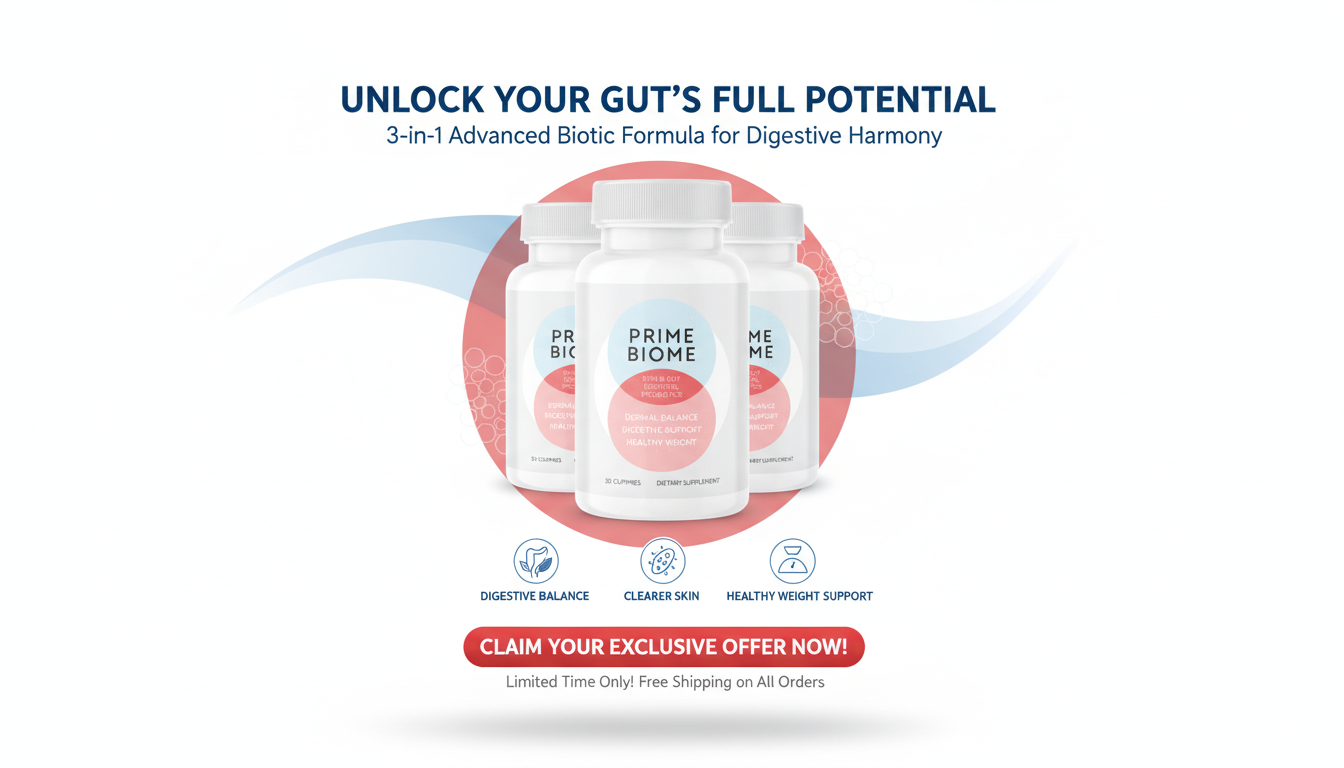
This is where a formula designed specifically for the gut-skin axis can be beneficial. Products like PrimeBiome are formulated with an understanding of this connection. They go beyond standard probiotics to include key ingredients like Tributyrin, which transforms into the powerful postbiotic butyrate in your gut. This directly nourishes your gut lining and helps calm inflammation.
By combining clinically studied prebiotic fibers like Sunfiber® with specific probiotic strains and gut-supporting ingredients, such a supplement offers a comprehensive approach. It aims not just to add good bacteria, but to create the ideal environment for your entire microbiome to thrive, directly supporting the quest for clear, healthy, and radiant skin from the inside out. As always, it’s wise to consult with a healthcare professional before adding any new supplement to your routine to ensure it’s right for you.
Conclusion: Your Skin Is a Reflection of Your Inner Health
The path to clear, vibrant skin is not about finding one magic cream; it’s about embracing a holistic approach. The gut health and skin connection is a powerful reminder that our bodies are interconnected systems. By nurturing your gut microbiome with a nutrient-rich diet, managing stress, and considering targeted support, you are not just improving your digestive health—you are laying the foundation for the radiant complexion you’ve been working so hard to achieve.
Frequently Asked Questions (FAQ)
How long does it take to see skin improvements after improving gut health?
There is no one-size-fits-all answer, as everyone’s body is different. However, many people report noticing initial improvements in their skin, such as reduced redness and fewer breakouts, within 4 to 12 weeks of making consistent dietary changes and incorporating supportive supplements.
Can I just take probiotics instead of changing my diet?
While probiotic supplements can be very helpful, they are most effective when combined with a healthy diet. Think of it this way: you can add more good bacteria (probiotics), but if you don’t feed them with the right foods (prebiotics) and continue to eat a diet that promotes inflammation, you won’t see the full benefits.
Is this article medical advice?
No. The information provided here is for educational purposes only and is not intended as a substitute for professional medical advice, diagnosis, or treatment. Always seek the advice of your physician or another qualified health provider with any questions you may have regarding a medical condition.