The Gut-Skin Axis: How Digestion Affects Your Skin
For years, you’ve followed the rules. You cleanse, you tone, you moisturize. You buy the serums that promise miracles and the creams that vow to erase every imperfection. Yet, despite your best efforts, you still struggle with persistent acne, frustrating redness, or a complexion that just looks tired and inflamed. If this sounds familiar, it might be time to look beyond the mirror and listen to your body. What if the true source of your skin woes isn’t on your face, but deep within your gut? This is the core of the powerful gut and skin connection, a concept that is revolutionizing how we approach skincare.
The idea that our internal health is reflected on our skin is not new, but modern science is now providing clear evidence for this intricate relationship, often called the “gut-skin axis.” It’s a complex communication network that links your digestive system directly to the health, appearance, and resilience of your skin. Understanding this connection is the first step toward achieving lasting clarity from the inside out.
What Is the Gut-Skin Axis?
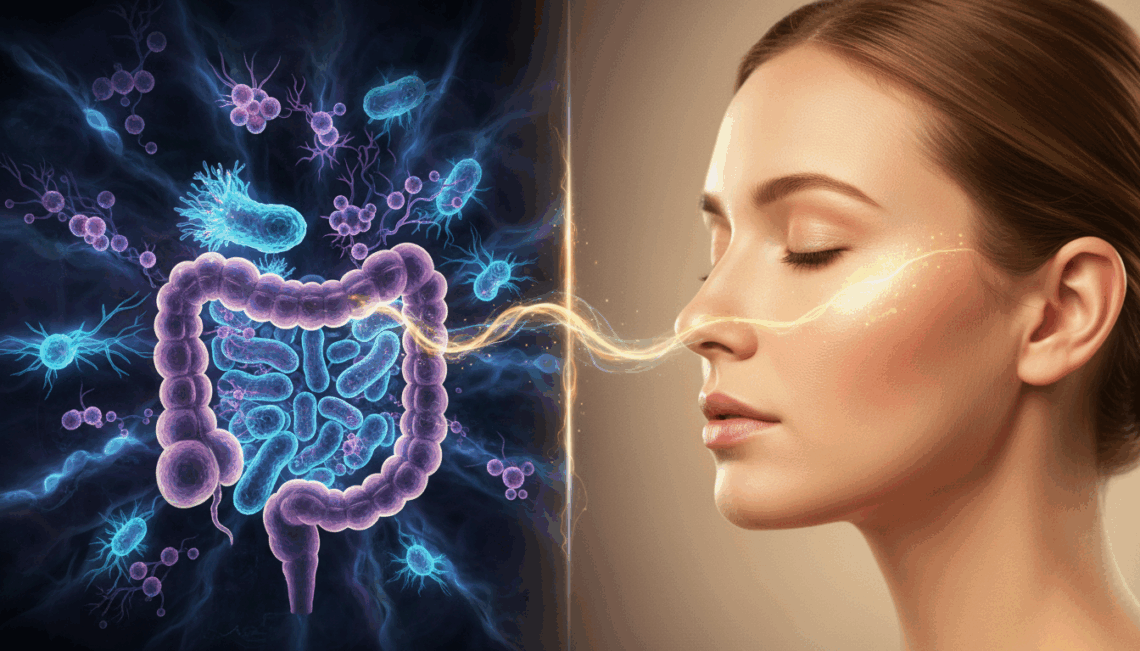
The gut-skin axis is a bidirectional pathway connecting your gut microbiome—the trillions of bacteria living in your digestive tract—with your skin. Think of it as a constant conversation. A happy, balanced gut sends signals that promote healthy, calm, and strong skin. Conversely, an imbalanced or unhealthy gut can send out distress signals in the form of inflammation, which can manifest directly on your face as acne, eczema, rosacea, and even premature aging.
This communication happens through several complex pathways involving the immune system, metabolism, and nervous system. When your gut microbiome is in harmony, it helps regulate your body’s immune response, keeping inflammation in check. When it’s out of balance (a state called dysbiosis), it can trigger a body-wide inflammatory response that makes your skin more susceptible to problems.
The Problem of “Leaky Gut” and Its Impact on Skin
One of the most significant ways the gut and skin connection becomes problematic is through a condition known as increased intestinal permeability, or “leaky gut.” This is where the real trouble for your skin often begins.
Understanding Leaky Gut
The lining of your intestines is a remarkable barrier, just one cell thick. Its job is to absorb vital nutrients while preventing undigested food particles, toxins, and harmful bacteria from entering your bloodstream. In a healthy gut, the junctions between these cells are tight and secure.
However, due to factors like a poor diet, chronic stress, or certain medications, these tight junctions can loosen. This creates tiny gaps in the gut wall, allowing unwanted substances to “leak” into your bloodstream where they don’t belong. This is what we call a leaky gut.
How Leaky Gut Triggers Skin Problems
When these foreign particles enter your bloodstream, your immune system identifies them as invaders and launches an attack. This triggers a systemic inflammatory response. Your body is now in a constant state of high alert, and this chronic, low-grade inflammation needs an outlet. For many people, that outlet is the skin.
This inflammation can:
- Worsen Acne: It can increase sebum (oil) production and promote the overgrowth of acne-causing bacteria.
- Trigger Eczema and Rosacea: It can compromise the skin’s natural barrier, leading to dryness, redness, and sensitivity.
- Accelerate Aging: Chronic inflammation breaks down collagen and elastin, the proteins that keep your skin firm and youthful, leading to fine lines and wrinkles.
Signs Your Gut Health Is Affecting Your Skin
How do you know if your skin issues are tied to your gut? Often, your body will provide clues from both systems. You might notice a pattern where a bout of digestive trouble is followed by a skin flare-up.
Common Digestive Signs:
- Frequent bloating, gas, or indigestion
- Irregular bowel movements (constipation or diarrhea)
- Food sensitivities or intolerances
Common Skin Signs:
- Persistent acne that doesn’t respond to topical treatments
- Redness, flushing, and conditions like rosacea
- Dry, itchy patches characteristic of eczema or dermatitis
- A dull, lackluster complexion
If you’re experiencing symptoms from both lists, it’s a strong indicator that it’s time to focus on healing your gut to support your skin.
How to Heal Your Gut for Better Skin
Improving your gut health is a holistic process that involves mindful choices about your diet and lifestyle. The goal is to reduce inflammation, support a diverse microbiome, and help repair the gut lining.
Focus on a Gut-Friendly Diet
Nourish your gut with whole foods rich in fiber, prebiotics, and probiotics. Prebiotics are foods that feed your beneficial gut bacteria (like garlic, onions, and asparagus), while probiotics are live beneficial bacteria found in fermented foods (like yogurt, kimchi, and kefir).
Manage Stress
Chronic stress is a major enemy of gut health. The stress hormone cortisol can directly damage the gut lining. Incorporate stress-management techniques like meditation, deep breathing, yoga, or spending time in nature.
Prioritize Sleep
Sleep is when your body undergoes critical repair processes, including in your gut. Aim for 7-9 hours of quality sleep per night to give your gut lining the time it needs to heal and regenerate.
The Role of Postbiotics: A Targeted Approach
While diet and lifestyle changes are fundamental, sometimes your gut needs a more direct and powerful form of support to truly heal. This is where the science of postbiotics comes in, offering a cutting-edge solution to reinforce the gut and skin connection.
Beyond Probiotics: What Are Postbiotics?
If probiotics are the “good bacteria,” postbiotics are the beneficial compounds those bacteria produce. They are the “end product” of fermentation in the gut and are directly responsible for many of the health benefits we associate with a healthy microbiome. One of the most important postbiotics for gut health is butyrate.
Why Butyrate Is a Game-Changer for the Gut and Skin Connection
Butyrate is a short-chain fatty acid that serves as the primary fuel source for the cells lining your colon. It is absolutely essential for maintaining the integrity of your gut wall. A sufficient supply of butyrate helps tighten the junctions between intestinal cells, directly combating the root cause of leaky gut. By “sealing” the gut, butyrate helps prevent inflammatory triggers from entering the bloodstream, calming the immune response that leads to skin problems.
The Challenge and The Breakthrough Solution
Getting butyrate to where it’s needed most—the colon—has always been a challenge. Standard butyrate supplements often get absorbed in the stomach or small intestine, never reaching their target. This is where a breakthrough formula like PrimeBiome changes the game. It uses a clinically studied form of butyrate called Tributyrin, which is designed to travel through the digestive system intact and deliver its healing power directly to the colon. This targeted delivery ensures your gut lining gets the fuel it needs to repair itself, effectively addressing the root cause of gut-mediated skin issues.
Frequently Asked Questions About the Gut-Skin Axis
How long does it take to see skin improvements after healing the gut?
This can vary for everyone. Some people notice changes in a few weeks, while for others it may take a few months. Consistency with diet, lifestyle, and targeted supplementation is key. Remember that skin cell turnover takes time.
Can I just use topical products for my skin issues?
Topical products are important for protecting the skin’s surface, but if the root cause is internal inflammation from a leaky gut, creams and serums alone will likely not be enough to solve the problem long-term.
Is this connection relevant for all skin types?
Yes. While it’s most commonly associated with inflammatory conditions like acne and rosacea, a healthy gut contributes to better hydration, stronger collagen, and a more resilient skin barrier, which benefits all skin types.
Ultimately, achieving truly healthy and radiant skin requires looking deeper than the surface. The gut and skin connection teaches us that our complexion is a direct reflection of our internal well-being. By nourishing your microbiome, sealing your gut lining, and reducing inflammation from the inside, you are not just treating symptoms—you are building the foundation for clear, vibrant skin that lasts.