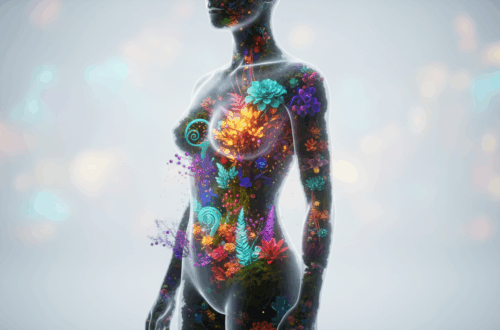

Have you ever felt like you’re fighting a losing battle with your skin? You try every cream, serum, and facial, yet you still face persistent acne, redness, or dullness. At the same time, you might be dealing with uncomfortable bloating, irregular digestion, or stubborn weight that just won’t budge. If this sounds familiar, you’re not alone, and the answer might not be in your bathroom cabinet, but in your gut. The emerging science behind the leaky gut and skin problems connection is revealing how our internal health is directly reflected in our outward appearance.
This intricate relationship, often called the “gut-skin axis,” is a communication highway between the trillions of microbes in your digestive system and your body’s largest organ: your skin. When this internal ecosystem is balanced, your skin tends to be clear and radiant. But when it’s compromised, a condition known as “leaky gut” can arise, triggering a cascade of issues that show up on your face and body. Understanding this link is the first step toward achieving lasting skin health and overall wellness from the inside out.
What Exactly Is Leaky Gut Syndrome?
“Leaky gut syndrome,” or more technically “increased intestinal permeability,” is a condition affecting the lining of your intestines. Think of your intestinal lining as a tightly controlled gatekeeper. It’s made up of a single layer of cells linked by structures called “tight junctions.” In a healthy gut, these junctions stay closed, allowing only properly digested nutrients, minerals, and water to pass through into your bloodstream.
In leaky gut syndrome, these tight junctions become loose or damaged. This allows undigested food particles, toxins, and harmful bacteria to “leak” from your intestines into your bloodstream. Your immune system, not recognizing these foreign invaders, springs into action and launches an inflammatory response. This chronic, low-grade inflammation is the root cause of many systemic health issues, and it’s a major driver behind the leaky gut and skin problems you may be experiencing.
The Primary Causes of a Compromised Gut Lining
Several factors in our modern lifestyle can contribute to increased intestinal permeability. Recognizing them is crucial for taking preventive and corrective action.
- Poor Diet: A diet high in processed foods, sugar, unhealthy fats, and alcohol can irritate the gut lining and feed harmful bacteria, disrupting the delicate balance of your microbiome.
- Chronic Stress: Prolonged stress releases cortisol, a hormone that can degrade the intestinal lining and negatively impact gut bacteria over time.
- Certain Medications: Overuse of non-steroidal anti-inflammatory drugs (NSAIDs) like ibuprofen, as well as antibiotics, can damage the gut lining and wipe out beneficial bacteria.
- Gut Dysbiosis: An imbalance between beneficial and harmful bacteria in your gut (dysbiosis) can directly contribute to inflammation and the breakdown of tight junctions.
- Lack of Key Nutrients: Deficiencies in nutrients like zinc, L-glutamine, and vitamin D can impair the gut’s ability to repair and maintain its lining.
The Gut-Skin Axis: How Internal Imbalance Shows on Your Skin
When your gut is leaky, the resulting systemic inflammation needs to be managed by your body. The skin, being a major organ of elimination, often bears the brunt of this internal turmoil. The inflammatory molecules circulating in your bloodstream can trigger or worsen various skin conditions.
Acne and Breakouts
One of the most common manifestations of the leaky gut and skin problems link is acne. The inflammation originating in the gut can signal the skin to produce more sebum (oil), creating the perfect environment for acne-causing bacteria to thrive. Furthermore, gut dysbiosis can affect hormone regulation, another key factor in adult acne.
Eczema and Psoriasis
These autoimmune-related skin conditions are strongly linked to inflammation. A leaky gut can trigger an overactive immune response, leading to the characteristic red, itchy, and flaky patches of skin associated with eczema and psoriasis. Many studies have shown that individuals with these conditions often have a less diverse gut microbiome and increased intestinal permeability.
Rosacea and Redness
Rosacea is a chronic inflammatory skin condition characterized by facial redness, flushing, and bumps. Research has pointed to a significantly higher prevalence of gut disorders, such as small intestinal bacterial overgrowth (SIBO), in individuals with rosacea, highlighting the profound connection between gut health and skin inflammation.
Premature Aging
Chronic inflammation accelerates the aging process by breaking down collagen and elastin, the proteins that keep your skin firm and youthful. A compromised gut can also impair your body’s ability to absorb essential antioxidants, vitamins, and minerals that protect your skin from damage caused by free radicals and environmental stressors.
A Holistic Approach to Healing Your Gut and Skin
Addressing the root cause is the only way to find lasting relief. Healing your gut requires a multi-faceted approach that involves reducing inflammation, rebalancing your microbiome, and repairing the intestinal lining. While this journey is personal, some foundational strategies can help everyone.
Disclaimer: This article is for informational purposes only. Always consult with a qualified healthcare professional before making any significant changes to your diet, lifestyle, or supplement regimen, especially if you have a pre-existing medical condition.
1. Adopt a Gut-Friendly Diet
Food is medicine, especially when it comes to gut health. Focus on incorporating whole, unprocessed foods that nourish your body and support a healthy microbiome.
- Eat more fiber: Soluble and insoluble fibers from fruits, vegetables, and legumes act as prebiotics, which are food for your beneficial gut bacteria.
- Incorporate fermented foods: Foods like yogurt, kefir, sauerkraut, and kimchi are rich in probiotics, the beneficial bacteria that help restore balance to your gut.
- Focus on healthy fats: Omega-3 fatty acids, found in fatty fish, flaxseeds, and walnuts, are powerful anti-inflammatories.
- Identify and remove trigger foods: Common culprits like gluten, dairy, and processed sugar can be inflammatory for many people. An elimination diet, done under professional guidance, can help identify your personal triggers.
2. Manage Your Stress Levels
You cannot heal a stressed body. Integrating stress-management techniques into your daily routine is non-negotiable for gut health.
- Mindfulness and Meditation: Even 10 minutes a day can lower cortisol levels and reduce the stress response.
- Gentle Exercise: Activities like yoga, walking, and swimming can improve digestion and mood.
- Prioritize Sleep: Aim for 7-9 hours of quality sleep per night, as this is when your body, including your gut lining, does most of its repair work.
3. Consider a Targeted Probiotic Supplement
While diet is foundational, rebuilding a compromised gut often requires a more targeted approach. The modern food supply and environmental toxins can make it difficult to get the specific therapeutic strains of bacteria needed to repair the gut lining and combat dysbiosis effectively. This is where a high-quality, scientifically formulated supplement can be a game-changer.
Supplements designed to address leaky gut often contain specific probiotic strains that have been studied for their ability to strengthen tight junctions, reduce inflammation, and crowd out harmful bacteria. For those dealing with persistent leaky gut and skin problems, this can provide the concentrated support needed to accelerate healing.
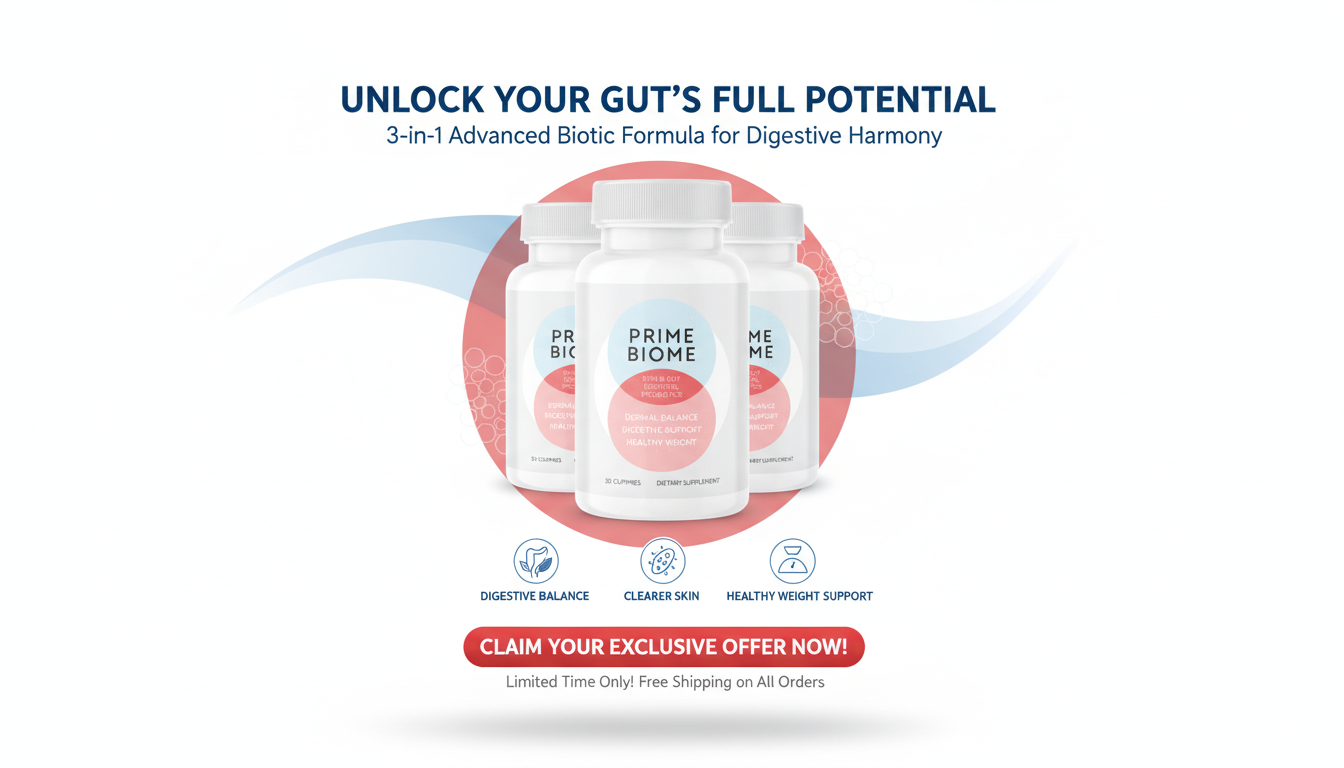
One such supplement is PrimeBiome. It is formulated with a specific blend of gut-healing probiotic strains, including L. Rhamnosus, L. Plantarum, and B. Lactis, which are known to support the integrity of the gut lining and promote a balanced microbiome. By directly seeding your gut with these beneficial microbes, you can create an internal environment that fosters healing and, in turn, helps calm the inflammatory responses that affect your skin.
Conclusion: Your Path to Radiant Skin Begins Within
The journey to clear, healthy skin and overall vitality is not about finding a magic topical cream. It’s about recognizing the profound connection between your gut and your skin and taking steps to heal your body from the inside out. By addressing the root causes of leaky gut through a nourishing diet, stress management, and targeted supplementation, you can finally put an end to the frustrating cycle of inflammation.
When you focus on restoring the health of your intestinal lining and rebalancing your microbiome, you are not just solving digestive issues; you are building the foundation for radiant skin, easier weight management, and enhanced well-being. This inside-out approach is the key to achieving lasting results and feeling truly comfortable and confident in your own skin.
Frequently Asked Questions (FAQ)
How long does it take to see skin improvements after healing the gut?
The timeline can vary greatly depending on the individual’s level of gut damage, diet, and consistency with lifestyle changes. Some people may notice initial improvements in their skin within a few weeks, while for others, it may take a few months of dedicated effort to see significant, lasting results.
Can I solve leaky gut and skin problems with diet alone?
Diet is the most critical component of healing the gut. For many, a dedicated gut-friendly diet and stress management can make a massive difference. However, for those with significant dysbiosis or gut lining damage, a targeted probiotic supplement can provide specific bacterial strains at therapeutic doses that are difficult to obtain from food alone, potentially accelerating the healing process.
Is this approach suitable for all types of skin issues?
The gut-skin axis and systemic inflammation play a role in a wide range of skin conditions, particularly those with an inflammatory component like acne, rosacea, eczema, and psoriasis. While improving gut health is beneficial for almost everyone, it’s essential to consult with a dermatologist for a proper diagnosis and comprehensive treatment plan for your specific skin concerns.