The Unseen Link: How Your Gut Health and Skin Connection Dictates Your Complexion
You’ve tried every cream, serum, and facial on the market. You cleanse, you moisturize, you protect your skin from the sun, yet you still struggle with persistent acne, rosacea, eczema, or a general lack of radiance. It’s a frustrating cycle that leaves many feeling helpless. But what if the root of your skin problems isn’t on your skin at all? What if it’s deep inside your gut?
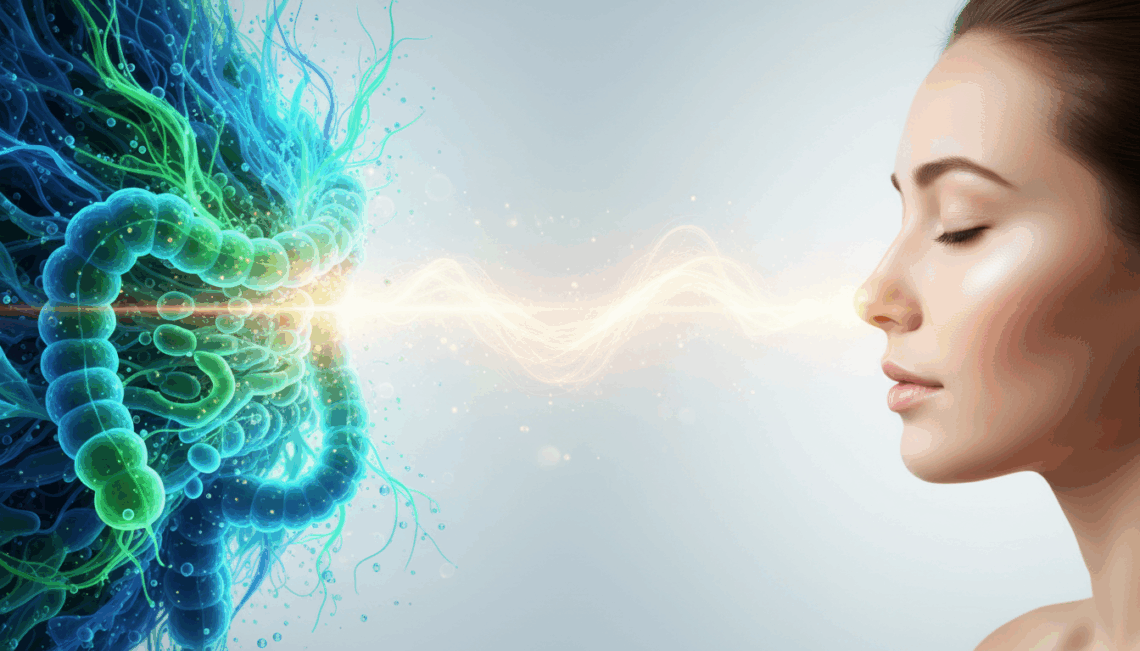
Emerging science is shedding light on a powerful and often-overlooked relationship known as the gut health and skin connection, or the gut-skin axis. This intricate communication network means that the inflammation, imbalances, and health of your digestive system can directly manifest on your skin’s surface. Understanding this connection is the first step toward achieving the clear, healthy skin you’ve been working so hard for.
What Exactly is the Gut-Skin Axis?
The gut-skin axis is a bidirectional pathway that links your gastrointestinal system with your largest organ: the skin. Your gut is home to trillions of microorganisms, collectively known as the gut microbiome. A healthy, diverse microbiome is essential for proper digestion, nutrient absorption, immune function, and even mood regulation. When this delicate ecosystem is balanced, your body thrives. However, when it’s thrown off balance—a state called dysbiosis—it can trigger a cascade of issues, including systemic inflammation that shows up on your skin.
Think of it this way: your gut lining is a barrier, designed to keep undigested food particles, toxins, and harmful bacteria contained. When this barrier is compromised, a condition often called “leaky gut” occurs. These unwanted substances can then “leak” into your bloodstream, triggering an immune response. Your body sees these particles as foreign invaders and mounts an inflammatory defense, which can present as acne, redness, and irritation on your skin.
Common Signs Your Gut Is Affecting Your Skin
How do you know if your skin troubles are tied to your gut? While everyone is different, here are some common inflammatory skin conditions that have been strongly linked to gut imbalances:
- Acne: Studies have shown a high correlation between acne sufferers and those with gut issues like Small Intestinal Bacterial Overgrowth (SIBO) and leaky gut. Inflammation from the gut can increase sebum (oil) production and contribute to clogged pores.
- Rosacea: This condition, characterized by facial redness and bumps, is also frequently linked to gut dysbiosis. The inflammation triggered by gut issues can dilate blood vessels in the face, leading to the classic rosacea flush.
- Eczema (Atopic Dermatitis): Often seen as an immune system overreaction, eczema is closely tied to the gut. An imbalanced microbiome can impair the skin’s natural barrier function, making it more susceptible to irritants and allergens.
- Psoriasis: This autoimmune condition involves the rapid overproduction of skin cells. It’s driven by inflammation, and research strongly suggests that improving gut health can help manage psoriasis flare-ups.
The Primary Culprit: Understanding Leaky Gut Syndrome
The term “leaky gut,” or increased intestinal permeability, is central to the gut health and skin connection. A healthy gut has tight junctions between the cells of its lining, forming a strong barrier. However, factors like a poor diet (high in processed foods and sugar), chronic stress, certain medications, and gut dysbiosis can damage these junctions.
When these junctions loosen, the gut becomes “leaky.” This allows toxins and bacteria to enter the bloodstream, where they absolutely do not belong. Your immune system goes on high alert, creating body-wide inflammation. For many, the skin is one of the primary places this internal fire becomes visible.
How to Begin Healing Your Gut for Better Skin
The good news is that you have significant power to improve your gut health. The journey to clearer skin starts from within, focusing on diet and lifestyle changes that support a healthy microbiome and a strong gut lining.
1. Focus on a Whole-Foods Diet: Reduce your intake of inflammatory foods like sugar, refined carbohydrates, and processed oils. Instead, build your meals around fiber-rich vegetables, fruits, lean proteins, and healthy fats. Fiber is crucial as it feeds the beneficial bacteria in your gut.
2. Incorporate Probiotic and Prebiotic Foods: Probiotics are live beneficial bacteria found in fermented foods like yogurt, kefir, sauerkraut, and kimchi. Prebiotics are the “food” for these bacteria, found in foods like garlic, onions, bananas, and asparagus. Including both helps cultivate a diverse and resilient microbiome.
3. Manage Your Stress: Chronic stress has a direct negative impact on gut health. It can decrease healthy bacteria and contribute to a leaky gut. Incorporate stress-management techniques like meditation, deep breathing, yoga, or spending time in nature.
4. Prioritize Sleep: Quality sleep is essential for gut repair. Aim for 7-9 hours of consistent, restful sleep per night to allow your body, including your gut lining, to heal and regenerate.
Why a Targeted Supplement Can Accelerate Your Results
While diet and lifestyle are the foundation of healing, they can sometimes be slow or insufficient on their own, especially when dealing with a significantly damaged gut. Modern food processing can deplete nutrients, and it can be difficult to consume a therapeutic dose of specific beneficial bacteria through food alone. This is where a high-quality, targeted supplement can be a game-changer.
A professionally formulated supplement can deliver specific, resilient strains of probiotics designed to survive stomach acid and colonize the gut effectively. Furthermore, it can include other compounds that directly support the healing of the gut lining, providing the building blocks your body needs to repair those “leaky” junctions. This targeted approach helps to quiet the inflammation at its source, leading to more rapid and noticeable improvements in your skin.
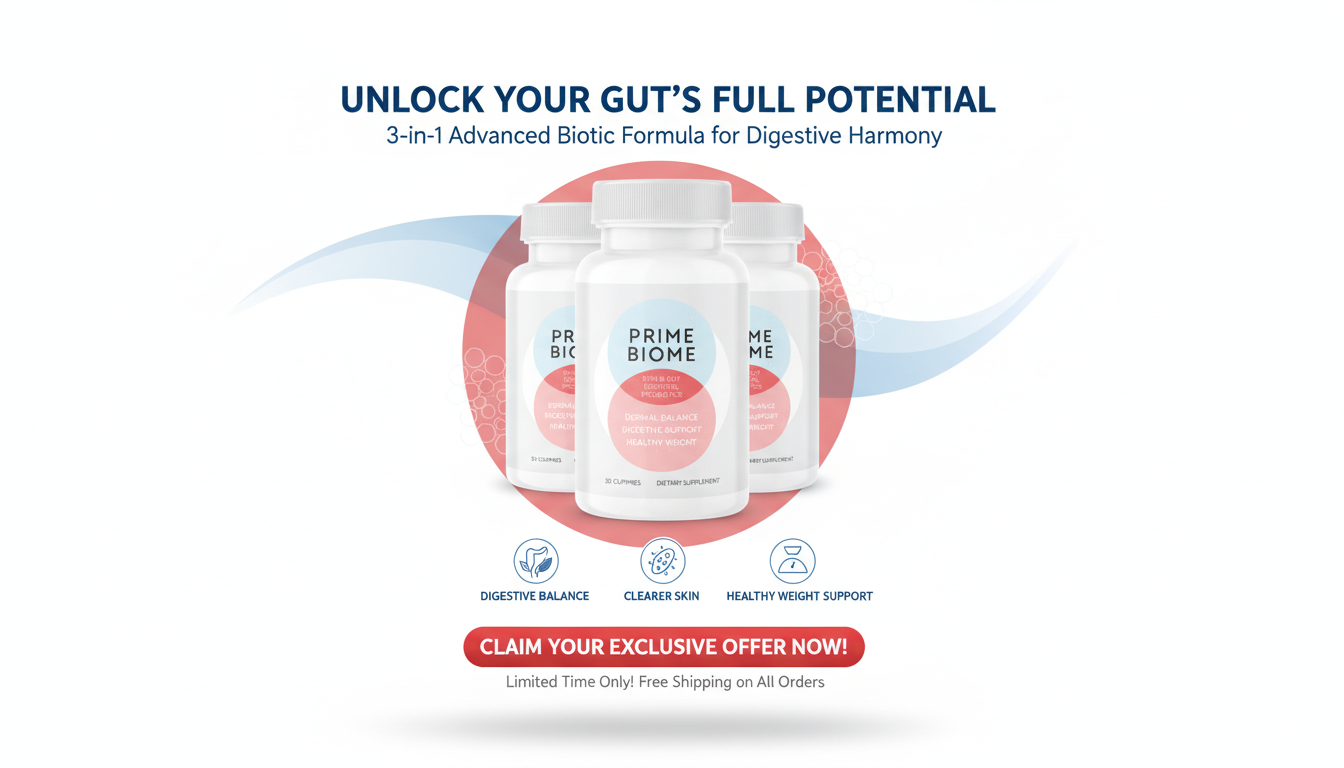
Introducing PrimeBiome: A Strategic Approach to Gut and Skin Health
When addressing the gut-skin axis, not just any probiotic will do. PrimeBiome is a revolutionary formula specifically designed to tackle the root cause of skin issues: a compromised gut lining. It goes beyond a standard probiotic by combining clinically-researched ingredients that work synergistically to restore gut integrity and calm inflammation.
The formula is built on four “gut-hero” bacteria strains known for their ability to reinforce the gut barrier and promote a healthy inflammatory response. But its true power lies in the addition of key ingredients like L-Glutamine, the primary fuel source for gut lining cells, helping them to repair and rebuild. It also includes other powerful compounds that support the complete healing of the gut environment.
By using PrimeBiome, you are not just masking symptoms. You are providing your body with the precise tools it needs to seal the gut lining, rebalance your microbiome, and turn off the inflammatory signals that have been plaguing your skin. It’s a direct, effective strategy for anyone serious about solving the gut health and skin connection puzzle for good.
Conclusion: Reclaim Your Radiance from the Inside Out
Your skin is often a mirror reflecting your internal health. If you’ve been fighting a losing battle with skin problems, it’s time to look deeper. By focusing on nourishing your gut, repairing its lining, and rebalancing your microbiome, you can address the underlying cause of your skin concerns. A holistic approach that combines a healthy diet, stress management, and a powerful, targeted supplement like PrimeBiome can finally help you break the cycle of inflammation and unlock the clear, radiant complexion you deserve.
Frequently Asked Questions (FAQ)
How long does it take to see skin improvements after improving gut health?
Results can vary depending on the individual and the severity of the gut imbalance. Some people notice improvements in bloating and digestion within a few weeks, while visible changes in the skin may take 1-3 months of consistent effort. Patience is key.
Can I just take probiotics without changing my diet?
While a quality probiotic supplement is beneficial, it works best as part of a holistic approach. A poor diet high in sugar and processed foods can counteract the benefits of the supplement by continuing to feed harmful bacteria and promote inflammation. For best results, combine supplementation with a gut-friendly diet.
Is PrimeBiome safe?
PrimeBiome is formulated with natural ingredients and is generally considered safe for healthy adults. However, as with any dietary supplement, it is always recommended to consult with a healthcare professional before beginning a new regimen, especially if you are pregnant, nursing, or have a pre-existing medical condition.
Are bloating and gas normal when starting a new probiotic?
It is not uncommon to experience some mild, temporary bloating or gas when first introducing new, potent probiotics. This is often a sign that the microbiome is adjusting and rebalancing. These symptoms typically subside within a week or two as your body adapts.