The Gut-Skin Axis: Understanding Your Digestion’s Impact on Skin Health
For years, you’ve followed a meticulous skincare routine. You cleanse, tone, moisturize, and apply specialized treatments, yet you still struggle with persistent acne, redness, or irritation. It’s a frustrating cycle that leaves many feeling hopeless, wondering what they’re doing wrong. But what if the root of the problem isn’t on your skin, but within your body? Emerging science is shedding light on a powerful, often overlooked relationship: the gut health and acne connection, a concept known as the gut-skin axis.
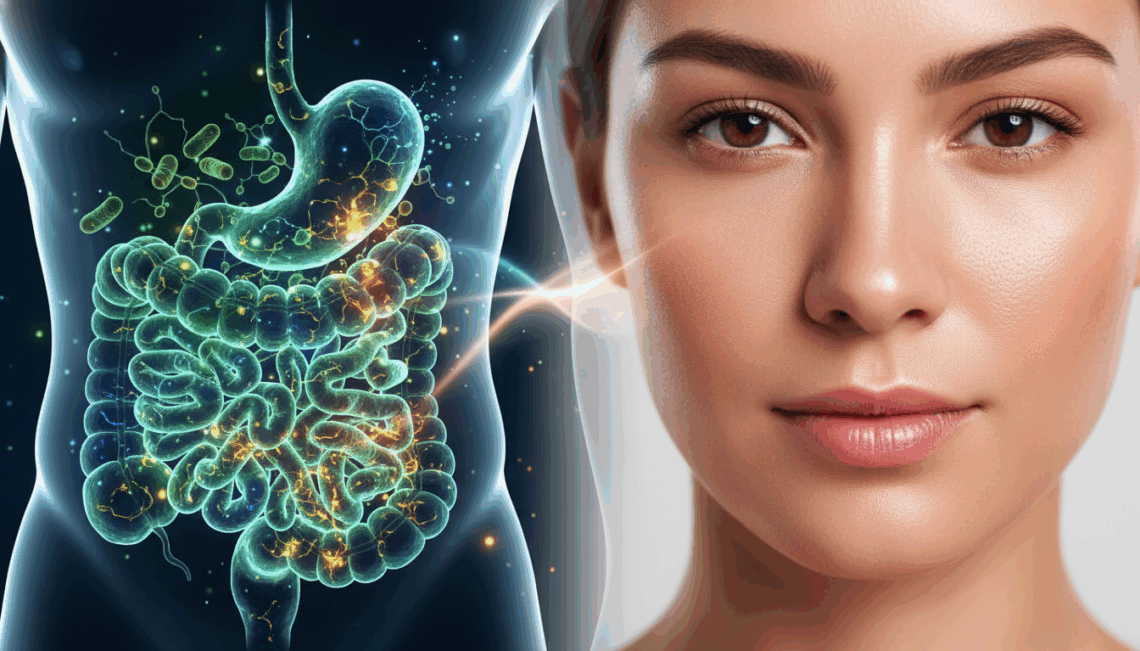
This intricate communication network links the health of your digestive system directly to the appearance and health of your skin. If you’re dealing with stubborn skin issues alongside digestive discomforts like bloating, gas, or irregularity, it might not be a coincidence. Understanding this connection is the first step toward achieving the clear, radiant skin you’ve been working so hard for.
What Exactly Is the Gut-Skin Axis?
The gut-skin axis is a bidirectional communication pathway between your gut and your skin. Think of it as a superhighway where messages are constantly being exchanged. Your gut is home to trillions of microorganisms, including bacteria, fungi, and viruses, collectively known as the gut microbiome. When this ecosystem is balanced and healthy, it positively influences everything from your immune system and mood to, you guessed it, your skin.
However, when the gut microbiome is out of balance—a state called dysbiosis—it can trigger a cascade of issues. Harmful bacteria can proliferate, leading to inflammation that isn’t just confined to your gut. This systemic inflammation can travel through your bloodstream and manifest on your skin’s surface, contributing to conditions like acne, eczema, and rosacea.
The “Leaky Gut” Problem and Your Skin
A key player in the gut-skin axis is the integrity of your intestinal lining. A healthy gut has a strong, tightly-knit barrier that controls what gets absorbed into the bloodstream. It allows nutrients to pass through while blocking harmful substances like toxins, pathogens, and undigested food particles.
When this lining becomes compromised or more permeable—a condition often referred to as “leaky gut syndrome”—these harmful substances can “leak” into your bloodstream. Your immune system identifies these substances as foreign invaders and launches an inflammatory response. This chronic, low-grade inflammation can show up all over your body, and the skin is one of the most visible places. This is a primary mechanism behind the gut health and acne connection.
Common Skin Issues Linked to Poor Gut Health
While research is ongoing, scientists have linked gut dysbiosis to several common skin conditions:
- Acne: Studies have shown that individuals with acne often have a less diverse gut microbiome and higher levels of gut inflammation compared to those with clear skin. Leaky gut can lead to systemic inflammation that worsens sebum production and clogged pores.
- Eczema (Atopic Dermatitis): Eczema is strongly linked to inflammation and immune system dysfunction. An imbalanced gut microbiome can compromise the immune system, making the body more susceptible to the inflammatory triggers that cause eczema flare-ups.
- Rosacea: People with rosacea are more likely to have gastrointestinal disorders like SIBO (Small Intestinal Bacterial Overgrowth). Addressing the gut imbalance often leads to a significant improvement in rosacea symptoms.
- Premature Aging: Chronic inflammation can accelerate the aging process by breaking down collagen and elastin, the proteins that keep your skin firm and youthful. A healthy gut helps manage inflammation, thereby protecting your skin’s integrity.

How to Improve Your Gut Health for Better Skin
The good news is that you have the power to influence your gut health through diet and lifestyle changes. Nurturing your microbiome isn’t just about improving digestion; it’s a holistic approach to wellness that can pay dividends for your skin. It’s always best to consult with a healthcare professional before making significant changes, but here are some foundational strategies.
1. Focus on a Fiber-Rich, Nutrient-Dense Diet
The beneficial bacteria in your gut thrive on prebiotics, which are types of fiber found in plant-based foods. By eating a diverse range of fruits, vegetables, and whole grains, you provide the fuel your microbiome needs to flourish.
- Incorporate Prebiotic Foods: Garlic, onions, asparagus, bananas, and whole oats are excellent sources of prebiotics.
- Eat the Rainbow: Different colored plants contain different vitamins and antioxidants that help fight inflammation.
- Limit Processed Foods and Sugar: Sugary and highly processed foods can feed the “bad” bacteria in your gut, promoting dysbiosis and inflammation.
2. Introduce Probiotics into Your Routine
Probiotics are live beneficial bacteria that can help restore balance to your microbiome. You can find them in fermented foods or take them in supplement form.
- Fermented Foods: Yogurt (with live cultures), kefir, sauerkraut, kimchi, and kombucha are natural sources of probiotics.
- Probiotic Supplements: A high-quality probiotic supplement can provide a concentrated dose of beneficial strains to support gut health.
3. Manage Stress and Prioritize Sleep
The gut-brain axis is another powerful connection in your body. Chronic stress can negatively impact your gut health by increasing intestinal permeability (leaky gut) and altering the composition of your microbiome. Similarly, a lack of quality sleep can disrupt gut function and increase inflammation.
- Practice Mindfulness: Activities like meditation, deep breathing exercises, and yoga can help lower stress levels.
- Aim for 7-9 Hours of Sleep: Consistent, restful sleep is crucial for allowing your body, including your gut, to repair and regenerate.
A Targeted Approach to Fortifying Your Gut Lining
While diet and lifestyle are foundational, sometimes your body needs extra support to repair the gut lining and restore balance, which is crucial for addressing the gut health and acne connection. The modern diet, environmental toxins, and daily stress can make it difficult to maintain perfect gut integrity on your own.
This is where a targeted formula can make a significant difference. Products designed to “seal” the gut lining and provide a robust blend of prebiotics and probiotics can offer comprehensive support. For instance, a supplement like PrimeBiome is specifically formulated to address these core issues. It works by providing key ingredients that nourish the gut, strengthen the intestinal barrier, and help reduce the systemic inflammation that can lead to skin problems. By tackling the problem at its source, you can create the right internal environment for your skin to thrive.
In conclusion, if you feel like you’ve hit a wall with your skincare, it may be time to look deeper. The gut-skin axis is a testament to the fact that our bodies are interconnected systems. By nurturing your gut microbiome, strengthening your intestinal barrier, and reducing inflammation from the inside out, you’re not just improving your digestive health—you’re laying the foundation for the healthy, clear, and radiant skin you deserve. Remember to be patient, as it takes time to rebalance your inner ecosystem, but the long-term rewards are well worth the effort.