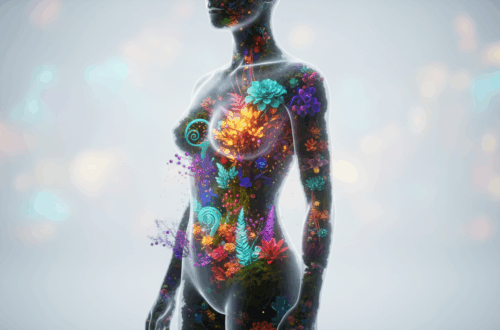

The Gut Skin Axis: Your Secret to Radiant Skin
You’ve tried every cream, serum, and topical treatment. You’ve changed your pillowcases, cleansed religiously, and maybe even cut out dairy or sugar, yet persistent skin issues like acne, eczema, or premature aging remain. It’s a frustrating cycle that leaves many feeling hopeless. But what if the secret to clear, radiant skin isn’t on your face, but deep within your gut? This is where understanding the gut skin axis becomes a game-changer.
The gut skin axis is the scientifically established, bidirectional relationship between your digestive system and your skin health. It suggests that the balance of bacteria in your gut can directly influence inflammation, hydration, and the overall appearance of your skin. For anyone struggling with skin problems that don’t respond to traditional methods, exploring this internal connection is the crucial next step.
What Exactly Is the Gut Skin Axis?
Think of your gut as a bustling metropolis of trillions of microorganisms, including bacteria, fungi, and viruses, collectively known as the gut microbiome. In a healthy state, these microbes live in harmony, aiding digestion, producing essential vitamins, and regulating your immune system. Your skin also has its own unique microbiome.
The gut and skin are in constant communication through various pathways involving the immune system and metabolic byproducts. When your gut microbiome is balanced and thriving, it supports a strong intestinal lining and a calm immune system, which translates to healthy, resilient skin. However, when this delicate balance is disrupted, problems can arise that quickly manifest on your skin’s surface.
The Troublemakers: How a Leaky Gut Affects Your Skin
One of the most significant issues affecting the gut skin axis is a condition known as “leaky gut,” or increased intestinal permeability. The lining of your intestines is a powerful barrier that controls what gets absorbed into your bloodstream. When this lining becomes damaged or compromised due to factors like a poor diet, stress, or an imbalance of gut bacteria (dysbiosis), undigested food particles, toxins, and bacteria can “leak” into your bloodstream.
This leakage triggers a systemic inflammatory response from your immune system. Since the skin is one of your body’s largest organs, this internal inflammation often shows up externally in various ways.
Acne and Hormonal Breakouts
Systemic inflammation from a leaky gut can worsen acne. It can disrupt hormone levels and increase the production of sebum (the oil that can clog pores). Furthermore, an imbalance in gut bacteria can lead to an overgrowth of harmful microbes that release toxins, further exacerbating inflammatory skin conditions like cystic acne.
Eczema, Psoriasis, and Rosacea
These conditions are strongly linked to immune system dysregulation. A compromised gut barrier sends the immune system into overdrive, contributing to the chronic inflammation that defines conditions like eczema (atopic dermatitis), psoriasis, and rosacea. Many people with these conditions find that their flare-ups coincide with digestive distress.
Premature Aging and Dullness
Chronic low-grade inflammation is a primary driver of aging. It accelerates the breakdown of collagen and elastin, the proteins that keep your skin firm and youthful. A poorly functioning gut also impairs your body’s ability to absorb vital skin-loving nutrients like antioxidants, vitamins, and minerals, leading to a dull, lackluster complexion.
How to Heal Your Gut for Better Skin: A Holistic Approach
Nurturing your gut health is a foundational step toward achieving the clear skin you desire. The good news is that you can take practical steps to restore balance to your microbiome and strengthen your gut lining. This approach focuses on nourishing your body from the inside out.
Focus on a Fiber-Rich, Anti-Inflammatory Diet
Your gut microbes thrive on fiber. Incorporate a wide variety of plant-based foods into your diet, including fruits, vegetables, legumes, and whole grains. These foods provide prebiotics, which are non-digestible fibers that feed your beneficial gut bacteria. Additionally, focus on anti-inflammatory foods rich in omega-3 fatty acids, such as salmon and flaxseeds, and antioxidant-rich foods like berries and green tea.
Incorporate Probiotics and Fermented Foods
Probiotics are live beneficial bacteria that help restore balance to your microbiome. You can find them in fermented foods like yogurt, kefir, kimchi, sauerkraut, and kombucha. Consuming these foods regularly can help replenish the populations of good bacteria in your gut, crowding out the harmful ones.
Manage Stress Levels
Chronic stress has a direct negative impact on the gut skin axis. It can disrupt gut barrier function and alter the composition of your microbiome. Incorporating stress-management techniques like mindfulness, meditation, yoga, or even regular walks in nature can have a profound effect on both your digestive and skin health.
A Targeted Solution for the Gut Skin Axis
While diet and lifestyle changes are essential, sometimes your gut needs more targeted support to repair the intestinal lining and restore microbial balance effectively. A general probiotic might help, but addressing the deep-seated issues of a leaky gut often requires a more advanced, synergistic formula designed specifically for this purpose.
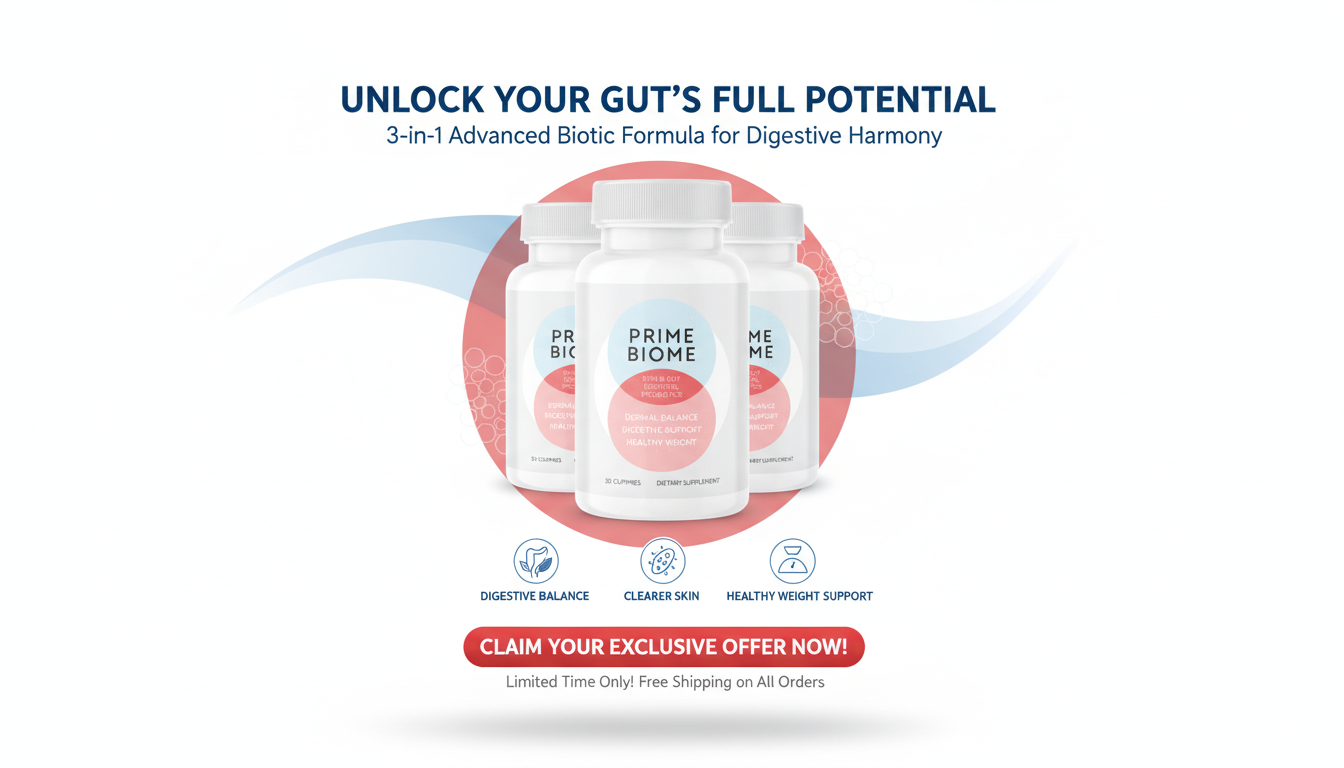
This is where a specialized supplement like PrimeBiome can be incredibly beneficial. It’s formulated not just with probiotics, but with key ingredients that directly target the health of the gut lining. Its formula includes Tributyrin, a potent compound that nourishes intestinal cells and helps tighten the junctions in the gut wall, directly combating the “leaky gut” problem. By combining this with specific probiotic strains known for their skin benefits, like L. Acidophilus and B. Lactis, PrimeBiome offers a comprehensive approach to healing the gut-skin connection from the inside out.
Instead of just adding bacteria, it focuses on repairing the environment where those bacteria live. This two-pronged approach helps to reduce systemic inflammation at its source, providing a powerful foundation for achieving long-term skin clarity and health.
Conclusion: Your Path to Radiant Skin Starts Within
If you feel like you’ve hit a wall with your skincare routine, it’s time to look deeper. The gut skin axis is no longer a fringe theory—it’s a critical piece of the puzzle for understanding and resolving chronic skin conditions. By shifting your focus from topical fixes to internal healing, you can address the root cause of inflammation and imbalance.
Nourishing your gut microbiome through a healthy diet, stress management, and targeted supplementation can unlock the door to the radiant, healthy skin you’ve been working so hard to achieve. It’s a holistic journey, but one that promises lasting results.
Frequently Asked Questions (FAQ)
How long does it take to see skin improvements after focusing on gut health?
Results can vary widely depending on the individual’s starting point. Some people may notice improvements in digestion and skin calmness within a few weeks, while for others, it may take 2-3 months of consistent effort to see significant changes. Patience and consistency are key.
Can I fix my gut with diet alone?
A healthy diet is the cornerstone of gut health and is sufficient for many people. However, if you have a significantly compromised gut lining or severe dysbiosis, a targeted supplement can provide the specific compounds needed to accelerate the healing process more effectively than diet alone.
Are there any side effects to taking gut-focused supplements?
When starting new probiotics or supplements, some people may experience temporary mild digestive changes like gas or bloating as their microbiome adjusts. This typically subsides within a few days. As with any supplement, it is crucial to consult with a healthcare professional before beginning, especially if you have pre-existing health conditions or are taking other medications. This article is for informational purposes only and does not constitute medical advice.