The Frustrating Cycle of Unexplained Weight Gain
You follow your diet. You exercise regularly. You track your calories and make healthy choices, yet the numbers on the scale refuse to budge, or worse, they creep upward. To add insult to injury, you constantly feel bloated, uncomfortable, and sluggish. This frustrating scenario is a reality for millions who struggle with unexplained weight gain and bloating, feeling like they’re fighting a losing battle against their own bodies.
If this sounds familiar, you’re not alone. The constant effort without results can be demoralizing, leading you to believe you’re doing something wrong or that your metabolism is simply broken. However, emerging science suggests the root of the problem may not be on your plate or in your workout routine, but deep within your digestive system: your gut microbiome.
What Is the Gut Microbiome?
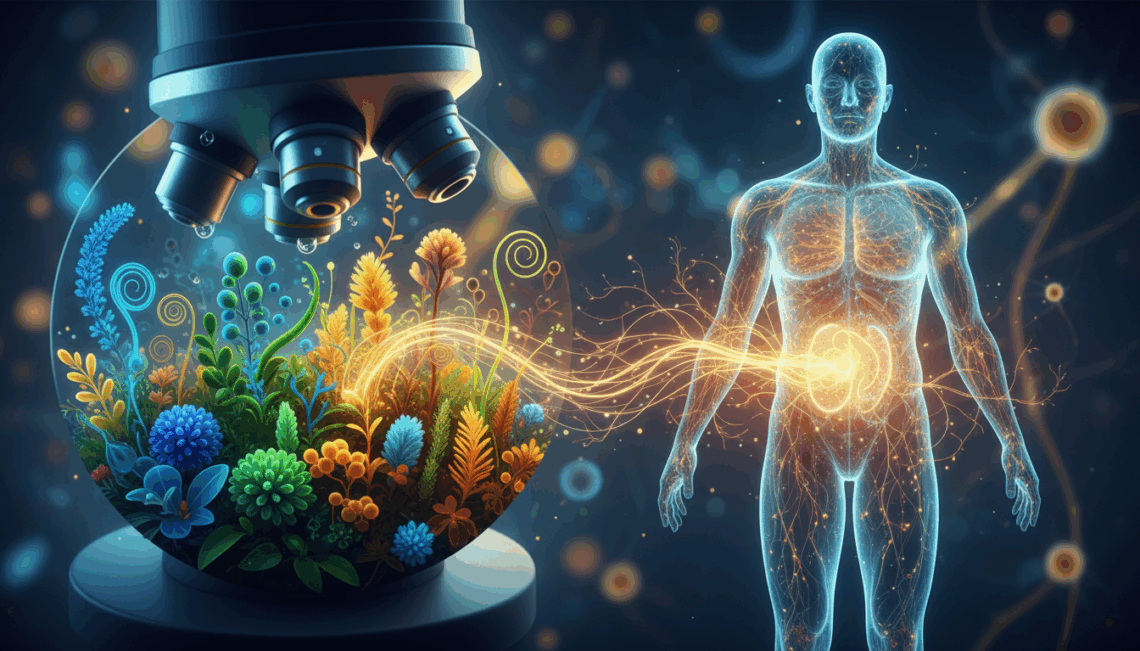
Imagine a bustling, microscopic city living inside your intestines. This city is home to trillions of microorganisms, including bacteria, fungi, and viruses, collectively known as the gut microbiome. In a healthy state, this community works in harmony with your body, playing a crucial role in digestion, immune function, and even mental health. It helps break down food your body can’t digest, produces essential vitamins, and protects against harmful pathogens. A balanced gut is fundamental to your overall well-being.
The Surprising Link: Gut Imbalance and Unexplained Weight Gain
The problem begins when this internal city falls into disarray. An imbalance, known as dysbiosis, occurs when harmful bacteria start to outnumber the beneficial ones. This can be caused by factors like a poor diet high in processed foods, chronic stress, lack of sleep, and even certain medications. This imbalance can directly contribute to weight gain in several surprising ways:
- Increased Calorie Absorption: Certain types of “fat-storing” gut bacteria are incredibly efficient at extracting calories from the food you eat. This means that two people could eat the exact same meal, but the person with an imbalanced microbiome might absorb significantly more calories from it, which are then stored as fat.
- Triggering Inflammation: An unhealthy gut can lead to low-grade, chronic inflammation throughout the body. This inflammation disrupts the hormones that regulate appetite and fat storage, like insulin and leptin, making it harder for your body to recognize when it’s full and easier to store fat.
- Affecting Cravings: Your gut bacteria can influence your food cravings. Unhealthy bacteria thrive on sugar and processed fats, and they can send signals to your brain that increase your desire for these very foods, creating a vicious cycle of poor diet and gut imbalance.
It becomes clear that a dysfunctional gut can silently sabotage even the most dedicated weight loss efforts. You aren’t just fighting cravings or a slow metabolism; you’re fighting an internal ecosystem that is working against you.

Why Bloating Is a Major Red Flag for Your Gut
Persistent bloating is more than just an uncomfortable inconvenience; it’s one of the most common signs of an unhappy gut. When your digestive system isn’t functioning optimally due to dysbiosis, food isn’t broken down properly. The overgrown “bad” bacteria begin to ferment these undigested food particles, producing excess gas. This gas buildup is what leads to that painful, swollen, and tight feeling in your abdomen. Ignoring chronic bloating means ignoring a clear signal from your body that your internal microbiome is out of balance and needs support.
How to Restore Your Gut for Better Health and Weight Management
The good news is that you have the power to change your gut microbiome. By making conscious choices, you can foster a healthier internal environment that supports your weight management goals. Key strategies include:
- Eating a Fiber-Rich Diet: Beneficial bacteria feed on prebiotic fibers found in fruits, vegetables, and whole grains.
- Incorporating Fermented Foods: Foods like yogurt, kefir, sauerkraut, and kimchi are natural sources of probiotics.
- Reducing Sugar and Processed Foods: Starve the “bad” bacteria by limiting their favorite fuel sources.
- Managing Stress: Chronic stress can negatively impact your gut health. Practices like meditation and gentle exercise can help.
The Role of Targeted Probiotics
While dietary changes are essential, sometimes your gut needs a more direct and potent intervention. This is where a high-quality probiotic supplement can be incredibly effective. Probiotics are live beneficial bacteria that, when consumed in adequate amounts, help restore balance to your microbiome. They work by replenishing the populations of “good” bacteria, crowding out the harmful ones, and supporting a healthy digestive environment. However, not all probiotics are created equal. For issues like weight management, specific strains have been studied for their effectiveness.
A Closer Look at a Formulated Solution for Gut Health
When addressing complex issues like unexplained weight gain and bloating, a targeted approach is often necessary. A supplement like PrimeBiome is designed with this in mind. It provides a strategic blend of clinically researched probiotic strains, such as Lactobacillus Rhamnosus and Bifidobacterium Longum, which are specifically chosen for their potential to support a healthy metabolism and digestive balance.
By directly introducing these beneficial microorganisms, you are actively helping to rebuild a healthy gut ecosystem. This can help reduce the factors that contribute to weight gain—like excess calorie absorption and inflammation—while also alleviating uncomfortable symptoms like bloating. Think of it as providing reinforcements for your body’s internal army, giving it the tools it needs to win the fight for a healthier, more balanced you.
Important Note: Before beginning any new supplement regimen, it is always recommended to consult with a healthcare professional to ensure it is appropriate for your individual health needs and circumstances.
Conclusion: Your Path to a Healthier You Starts in the Gut
The battle with unexplained weight gain and persistent bloating doesn’t have to be a lifelong struggle. By shifting your focus from solely diet and exercise to the health of your gut microbiome, you unlock a powerful new approach to wellness. Understanding that your body is a complex ecosystem is the first step. Nurturing that ecosystem with a healthy diet, stress management, and the support of a targeted probiotic can finally help you break the cycle of frustration and achieve the health and balance you deserve.
Frequently Asked Questions (FAQ)
How long does it take for probiotics to start working?
The effects of probiotics can vary from person to person. Some individuals may notice improvements in digestion and bloating within a few days to a week. For more systemic benefits, such as those related to weight management, it may take several weeks or months of consistent use to see significant changes as the microbiome gradually rebalances.
Can I take probiotics with my other medications?
While probiotics are generally considered safe, it is crucial to speak with your doctor or pharmacist before starting them, especially if you are taking other medications or have an underlying health condition. They can advise you on potential interactions and ensure it’s a safe choice for you.
Are there any side effects of taking probiotics?
When first starting probiotics, some people may experience temporary gas, bloating, or digestive discomfort as their gut microbiome adjusts. These symptoms are usually mild and tend to resolve within a few days. If they persist, it’s best to consult with a healthcare provider.