You follow a healthy diet, you exercise regularly, and you try to get enough sleep. Yet, the numbers on the scale refuse to budge, or worse, they keep creeping up. It’s a frustrating and disheartening experience that leaves many people feeling like they’re fighting a losing battle against their own bodies. If this sounds familiar, the culprit might not be your diet or your workout routine, but something deeper inside: the complex world of your gut microbiome. The intricate connection between gut health and weight gain is one of the most significant frontiers in modern wellness, revealing that the key to a healthy weight might just start in your digestive system.
What Exactly Is the Gut Microbiome?
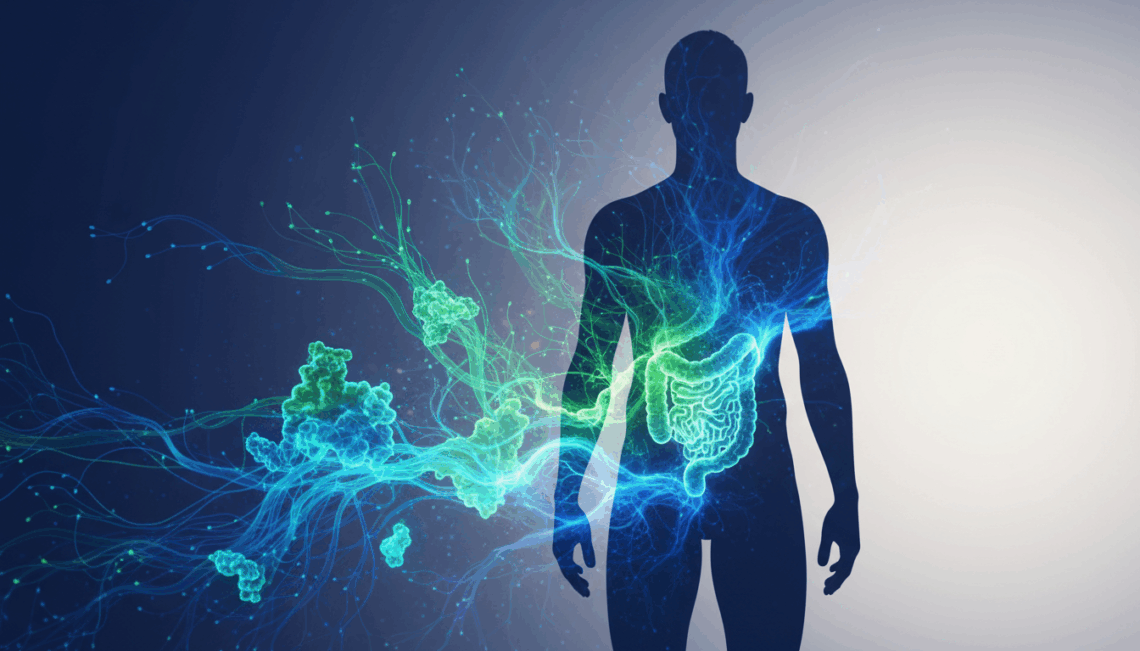
Think of your gut as a bustling metropolis inhabited by trillions of microorganisms, including bacteria, fungi, and viruses. This community is collectively known as the gut microbiome. While the word “bacteria” often has a negative connotation, most of these microbes are essential for your health. They play a crucial role in digesting food, producing vital vitamins, regulating your immune system, and even influencing your mood. A healthy, diverse microbiome is a cornerstone of overall well-being. However, when the balance of this internal ecosystem is disrupted, it can lead to a cascade of health issues, including unwanted weight gain.
The Surprising Connection: How Gut Health and Weight Gain Are Linked
Emerging research is continually uncovering the profound impact the gut microbiome has on body weight and metabolism. The link isn’t straightforward; it involves a complex interplay of factors that can either support a lean physique or promote fat storage. Understanding this relationship is the first step toward taking control.
“Fattening” vs. “Slimming” Bacteria
Your gut is home to two dominant families of bacteria: Bacteroidetes and Firmicutes. Studies suggest that the ratio between these two groups can significantly influence body weight. A higher proportion of Firmicutes bacteria has been linked to obesity, as these microbes are incredibly efficient at extracting calories from food and storing them as fat. In contrast, a higher population of Bacteroidetes is more common in leaner individuals. An imbalance in favor of these “fattening” Firmicutes can mean you absorb more calories from the exact same foods than someone with a healthier gut balance.
Inflammation and Metabolism
An unhealthy gut, often caused by a poor diet, stress, or lack of beneficial microbes, can lead to a condition called “leaky gut.” This is where the intestinal lining becomes permeable, allowing harmful substances and undigested food particles to “leak” into the bloodstream. This triggers a low-grade, chronic inflammatory response from the immune system. Chronic inflammation is a major driver of insulin resistance, a condition where your cells stop responding properly to insulin. This not only disrupts your blood sugar levels but also signals your body to store more fat, particularly around the abdomen.
Cravings and Appetite Control
Have you ever wondered why you crave sugary or high-fat foods? Your gut bacteria might be pulling the strings. Certain types of gut microbes thrive on sugar and refined carbohydrates. When they are the dominant species, they can send signals to your brain that increase cravings for the very foods they need to survive, creating a vicious cycle. Furthermore, your gut produces hormones that regulate hunger and satiety, like ghrelin (the “hunger hormone”) and leptin (the “fullness hormone”). An imbalanced microbiome can interfere with the production of these hormones, leaving you feeling constantly hungry and never truly satisfied after a meal.
Signs Your Gut Might Be Affecting Your Weight
The connection between gut health and weight gain isn’t always obvious, but your body often sends signals. If you’re struggling with stubborn weight, you might also be experiencing other symptoms of an imbalanced gut:
- Constant Bloating and Gas: Excessive gas and a perpetually bloated stomach are classic signs that your digestive system isn’t functioning optimally.
- Food Cravings: Intense, uncontrollable cravings, especially for sugar and processed foods.
- Chronic Fatigue: Feeling tired all the time, even after a full night’s sleep, can be linked to poor nutrient absorption and gut inflammation.
- Skin Issues: Conditions like acne, eczema, or rosacea can be external manifestations of an internal gut imbalance.
- Digestive Irregularity: Experiencing frequent constipation, diarrhea, or both can indicate that your gut microbiome is out of sync.

How to Restore Your Gut for Better Weight Management
The good news is that you have the power to change your gut microbiome. By making strategic changes to your diet, lifestyle, and supplementation, you can shift the balance in favor of “slimming” bacteria and support your weight management goals. As always, it is wise to consult with a healthcare professional before making significant changes to your health regimen.
The Role of Probiotics, Prebiotics, and Postbiotics
You’ve likely heard of probiotics and prebiotics, but the world of gut health has evolved. Understanding all three is key to a comprehensive approach.
- Probiotics: These are the “good” live bacteria found in fermented foods like yogurt, kefir, and sauerkraut, as well as in supplements. They help replenish the population of beneficial microbes in your gut.
- Prebiotics: These are types of dietary fiber that your body can’t digest. Instead, they act as food for your probiotic bacteria, helping them thrive. Sources include garlic, onions, bananas, and asparagus.
- Postbiotics: This is the crucial next step. Postbiotics are the beneficial compounds that are produced *by* the probiotic bacteria when they ferment prebiotic fiber. These compounds, such as butyrate, are directly responsible for many of the health benefits associated with a healthy gut. Essentially, postbiotics are the “end product” that your body actually uses.
Introducing Butyrate: The Key to a Slimming Gut
Butyrate is a short-chain fatty acid and a powerhouse postbiotic. It is the primary fuel source for the cells lining your colon, helping to maintain a strong and healthy gut barrier (preventing “leaky gut”). More importantly for weight management, butyrate has been shown to improve insulin sensitivity, reduce inflammation, and even increase energy expenditure, helping your body burn more calories. Supporting your body’s butyrate levels can be a game-changer for breaking through a weight loss plateau.
A Strategic Approach to Gut Health: Introducing PrimeBiome
While diet and lifestyle are foundational, directly nourishing your gut with the right ingredients can accelerate your progress. This is where a targeted supplement can provide a significant advantage. Instead of just adding more bacteria (probiotics) and hoping they produce what you need, a modern approach involves supplying the beneficial end product directly. PrimeBiome is a revolutionary formula designed around this principle, addressing the core issues of gut health and weight gain.
Its power lies in its comprehensive, next-generation formula that focuses on postbiotics. The star ingredient is Tributyrin, a highly advanced form of butyrate that is designed to travel all the way to your colon where it’s needed most. By delivering this critical postbiotic directly, PrimeBiome helps to fortify your gut lining, reduce inflammation, and support a healthy metabolism from day one.
But it doesn’t stop there. PrimeBiome also includes a powerful prebiotic, Sunfiber®, to nourish your existing good bacteria, and a blend of four potent probiotic strains known for their slimming properties. This three-pronged approach ensures you are not just hoping for a better gut balance, but actively creating it. For anyone who feels their gut is sabotaging their weight loss efforts, PrimeBiome offers a strategic and effective solution to help restore balance and put you back in control of your health journey.
In conclusion, the path to sustainable weight management is not just about counting calories or spending hours at the gym. It’s about cultivating a healthy internal ecosystem. By understanding the critical link between gut health and weight gain and taking proactive steps to nourish your microbiome, you can finally address the root cause of your struggles. Restoring balance to your gut can unlock the door to easier weight management, improved digestion, higher energy levels, and a profound sense of overall well-being.