
It’s a frustratingly common scenario: you’re carefully watching your diet, sticking to your workout routine, and doing everything you’re “supposed” to do, yet the numbers on the scale won’t budge. To make matters worse, you’re dealing with constant, uncomfortable bloating that leaves you feeling sluggish and discouraged. If you’re experiencing unexplained weight gain and bloating, you’re not alone, and it’s not your fault. The answer may lie in a place many people never think to look: your gut.
Understanding the Gut Microbiome: The Command Center of Your Body
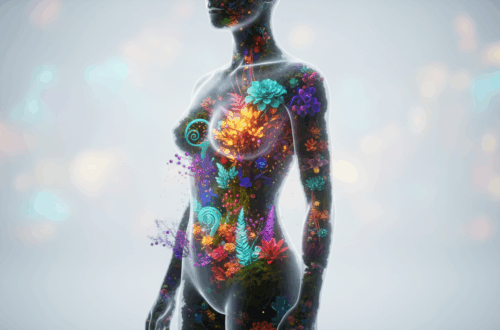
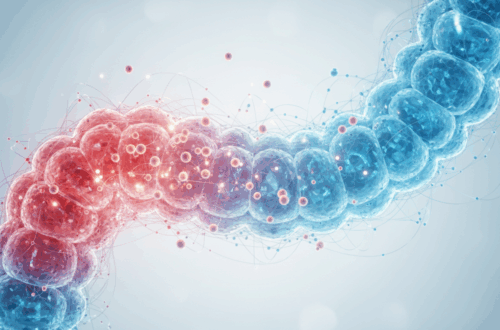
Deep inside your digestive system resides a complex ecosystem teeming with trillions of microorganisms, including bacteria, viruses, and fungi. This is known as your gut microbiome. For decades, we thought of bacteria as purely harmful, but we now understand that a diverse and balanced gut microbiome is essential for nearly every aspect of our health. These tiny organisms help digest food, produce critical vitamins, regulate your immune system, and even influence your mood. Think of it as a bustling city inside you, and when the city is in harmony, your entire body thrives. When it’s out of balance, however, the consequences can ripple outward, starting with your metabolism and digestion.
The Surprising Connection to Unexplained Weight Gain and Bloating
The link between gut health and weight management is one of the most exciting frontiers in modern science. Research increasingly shows that the state of your microbiome can profoundly impact your body’s ability to maintain a healthy weight. When the delicate balance of good and bad bacteria is disrupted—a condition called dysbiosis—it can trigger a cascade of issues that lead directly to the symptoms you might be experiencing.
How Gut Imbalance Can Stall Weight Loss
An unhealthy gut can contribute to low-grade, chronic inflammation throughout the body. This inflammation can interfere with the hormones that regulate hunger and fat storage, like leptin and insulin. When these signals get crossed, your body might start storing more fat than it should and become resistant to your efforts to lose it. This is a primary cause of unexplained weight gain and bloating, where the body seems to be working against you despite your best efforts.
Nutrient Absorption and Uncontrollable Cravings
Your gut is where you absorb the nutrients from your food. If your microbiome is out of sync, your ability to extract vitamins and minerals is compromised. This can leave you feeling fatigued and, ironically, trigger cravings for high-sugar or high-fat foods as your body desperately searches for energy. Furthermore, certain types of “bad” bacteria thrive on sugar and can send signals to your brain that increase these cravings, creating a vicious cycle that makes healthy eating incredibly difficult.
The “Leaky Gut” Phenomenon and Bloating
The lining of your intestines is meant to be a strong barrier, selectively allowing nutrients to pass through while blocking toxins and undigested food particles. In a state of dysbiosis, this barrier can become permeable or “leaky.” When this happens, unwanted substances can enter your bloodstream, triggering an immune response. This not only fuels inflammation but is also a major driver of the painful gas and bloating that leaves you feeling uncomfortable and discouraged.

Key Signs Your Gut Might Be the Culprit
Beyond weight and bloating, other subtle signs may point to an imbalanced gut. Recognizing them is the first step toward addressing the root cause of your health frustrations. Pay attention to your body and see if any of the following symptoms sound familiar:
- Persistent Digestive Issues: Besides bloating, this includes gas, constipation, diarrhea, or heartburn.
- Chronic Fatigue: Feeling tired all the time, even after a full night’s sleep.
- Skin Problems: Conditions like acne, eczema, or rosacea are often linked to gut inflammation.
- Frequent Sugar Cravings: An overgrowth of certain bacteria can intensify your desire for sugary foods.
- Mood Swings: A significant portion of your serotonin (the “happy chemical”) is produced in the gut, so an imbalance can affect your mental well-being.
- Frequent Illnesses: Since a majority of your immune system resides in your gut, getting sick often can be a sign of poor gut health.
How to Restore Your Gut for Better Health and Weight Management
The good news is that you have the power to positively influence your gut microbiome. Rebalancing this internal ecosystem is not an overnight fix, but consistent, targeted changes can lead to profound improvements in your digestion, energy levels, and ability to manage your weight. The approach is holistic, focusing on diet, lifestyle, and strategic support.
Start with Foundational Dietary Changes
What you eat is the most direct way to shape your gut health. Focus on incorporating more fiber-rich foods like vegetables, fruits, and legumes. Fiber is a prebiotic, meaning it acts as food for your beneficial gut bacteria, helping them thrive. Additionally, introducing fermented foods such as yogurt, kefir, kimchi, and sauerkraut can supply your gut with probiotics—the live beneficial bacteria themselves. At the same time, try to reduce your intake of processed foods, artificial sweeteners, and excessive sugar, which tend to feed the “bad” bacteria.
Make Supportive Lifestyle Adjustments
Your daily habits play a crucial role. Chronic stress is a major enemy of a healthy gut, as it can decrease bacterial diversity. Incorporating stress-management techniques like meditation, deep breathing, or gentle yoga can make a significant difference. Prioritizing sleep is also non-negotiable. Getting 7-8 hours of quality sleep per night allows your body, including your gut, to rest and repair, which is vital for maintaining a healthy microbial balance.
The Role of Targeted Supplementation
While diet and lifestyle are the cornerstones of gut health, sometimes your body needs extra support to get back on track. Modern diets can be lacking in key nutrients, and our hectic lives can make it difficult to get everything we need from food alone. This is where a high-quality, targeted supplement can be a game-changer. A well-formulated product can provide a potent combination of probiotics, prebiotics, and other gut-healing compounds to accelerate the rebalancing process, helping to soothe the gut lining and restore harmony to your microbiome.
For those seeking comprehensive support, a supplement like PrimeBiome is designed to address these core issues. It combines powerful probiotic strains with essential nutrients that specifically target the foundations of gut health. By supporting the integrity of your gut lining and promoting a balanced microbiome, it helps address the underlying factors that contribute to unexplained weight gain and bloating, creating the right internal environment for your weight loss efforts to finally succeed.
Conclusion: Take Control by Looking Within
If you feel like you’ve been spinning your wheels, the solution may not be another restrictive diet or a more intense workout plan. The key could be to look inward and address the health of your gut. By understanding the critical link between your microbiome and your metabolism, you can shift your focus from simply treating symptoms to fixing the root cause. Nurturing your gut health is a powerful act of self-care that can finally resolve unexplained weight gain and bloating, unlocking a new level of well-being and helping you feel like your best self again.
Frequently Asked Questions (FAQ)
Can gut health really affect weight?
Absolutely. A growing body of scientific evidence shows a strong connection between the diversity and balance of gut bacteria and metabolic health. An imbalanced microbiome can influence inflammation, hormone regulation, and nutrient absorption, all of which are critical factors in weight management.
How long does it take to improve gut health?
While some changes can begin within days of altering your diet, significant, lasting improvement typically takes several weeks to a few months of consistent effort. The key is to stick with positive dietary and lifestyle changes to allow your microbiome to rebalance and stabilize.
Is this article a substitute for medical advice?
No, this information is for educational purposes only. If you are experiencing persistent health issues, including unexplained weight gain and bloating, it is essential to consult with a qualified healthcare professional to rule out any underlying medical conditions and receive personalized advice.