The Surprising Connection Between Gut Health and Weight Loss
It’s a frustratingly common story: you cut calories, increase your exercise, and stick to your diet plan, but the numbers on the scale refuse to budge. You feel bloated, battle cravings, and wonder what you’re doing wrong. If this sounds familiar, the answer might not be in your gym routine or your meal plan, but deep within your digestive system. Emerging science is revealing a powerful and hidden link between gut health and weight loss, suggesting that the trillions of bacteria living in your gut could be silently sabotaging your best efforts.
This internal ecosystem, known as the gut microbiome, plays a far greater role than simply digesting food. It influences everything from your metabolism and appetite to your mood and immune system. Understanding this connection is the first step toward addressing the root cause of weight management struggles and finally achieving the results you’ve been working so hard for.
What Exactly Is the Gut Microbiome?
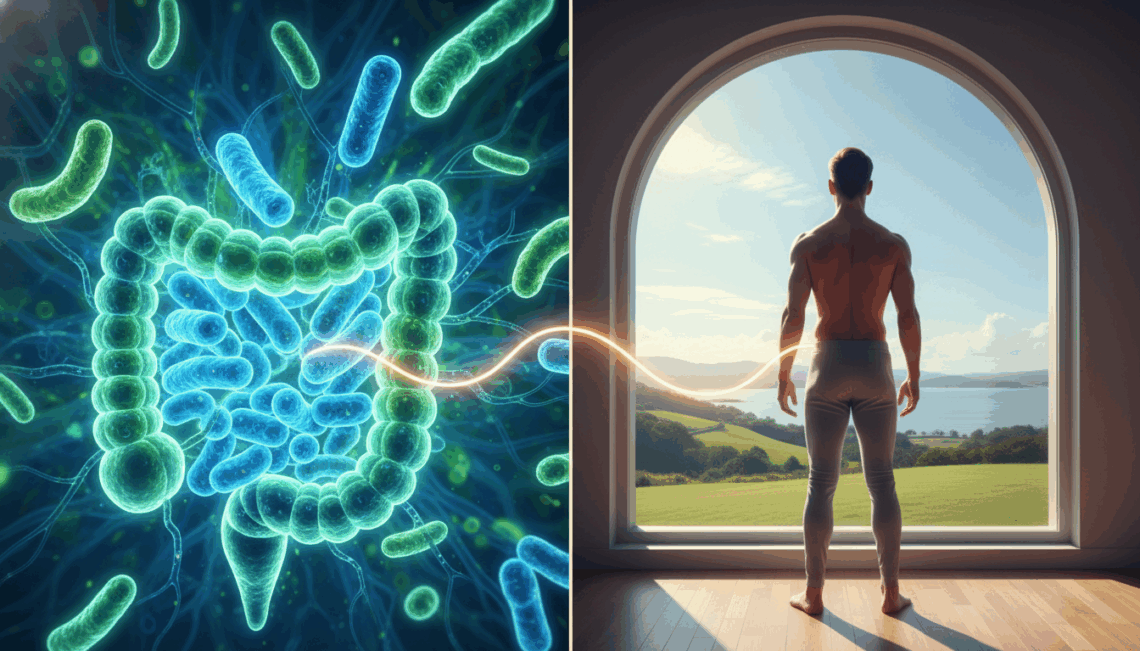
Think of your gut as a bustling city inhabited by trillions of microorganisms, including bacteria, fungi, and viruses. This community is your gut microbiome. In a healthy state, there’s a harmonious balance, with beneficial bacteria (probiotics) keeping the potentially harmful ones in check.
These microbes are essential for your health. They help break down food your body can’t digest on its own, produce vital vitamins like K and B, protect you against pathogens, and regulate your immune system. Each person’s microbiome is unique, shaped by genetics, diet, lifestyle, and environment. When this delicate ecosystem is balanced, your body functions optimally. But when it’s thrown out of balance—a state called dysbiosis—it can lead to a cascade of health issues, including digestive problems, inflammation, and, importantly, difficulty managing weight.
How Gut Bacteria Directly Influence Your Weight
The idea that microscopic bacteria can impact your body weight might seem strange, but the scientific evidence is compelling. Your gut microbiome affects weight through several key mechanisms.
1. Metabolism and Calorie Extraction
Not all gut bacteria are created equal when it comes to processing food. Some types of bacteria are incredibly efficient at extracting calories from the fiber you eat and storing them as fat. Research has shown that the gut microbiomes of lean individuals differ significantly from those of overweight individuals. The latter often have a higher concentration of bacteria from the Firmicutes phylum, which are experts at pulling calories from complex carbohydrates and turning them into fat. In contrast, leaner people tend to have more bacteria from the Bacteroidetes phylum, which are less efficient at this process. This means two people could eat the exact same meal but absorb a different number of calories based on their unique gut flora.
2. Appetite Regulation and Cravings
Have you ever had intense, inexplicable cravings for sugary or high-fat foods? Your gut bacteria might be the culprits. Your microbiome communicates with your brain through the gut-brain axis. It can influence the production of appetite-regulating hormones like ghrelin (the “hunger hormone”) and leptin (the “satiety hormone”). An imbalanced gut can disrupt these signals, making you feel hungry even when you’ve eaten enough. Furthermore, certain unhealthy bacteria thrive on sugar. They can send signals to your brain that trigger cravings for the very foods that help them multiply, creating a vicious cycle that makes sticking to a healthy diet incredibly difficult.
3. Inflammation and Fat Storage
An unhealthy gut microbiome can contribute to low-grade, chronic inflammation throughout the body. When the gut lining is compromised (a condition sometimes called “leaky gut”), toxins produced by certain bacteria can enter the bloodstream. This triggers an inflammatory response from the immune system, which is strongly linked to insulin resistance and increased fat storage, particularly around the abdomen. By promoting a balanced, healthy gut environment, you can help reduce this inflammation and support your body’s natural fat-burning processes.
Are You Cultivating the Right Bacteria for Weight Loss?
Based on this science, a new picture of weight management emerges. It’s not just about calories in versus calories out; it’s also about cultivating a gut environment that supports a healthy metabolism and reduces cravings. The goal is to nurture the “lean bacteria” that help you thrive while minimizing the “fat-storing” bacteria that work against you.
Shifting this balance is key. Factors like a diet high in processed foods and sugar, chronic stress, poor sleep, and the overuse of antibiotics can all disrupt your microbiome, allowing the less desirable bacteria to take over. The good news is that you have the power to change it. Through targeted diet, lifestyle changes, and the right support, you can repopulate your gut with the beneficial microbes needed to support your weight loss journey.

A Practical Guide to Improving Your Gut Health
Resetting your gut microbiome doesn’t happen overnight, but consistent, targeted actions can make a significant difference. Here are practical steps you can take to foster a gut environment that promotes better gut health and weight loss.
1. Diversify Your Diet with Fiber
Beneficial gut bacteria thrive on prebiotics, which are types of dietary fiber found in plants. To feed these “good bugs,” aim to eat a wide variety of fiber-rich foods. Think fruits, vegetables, whole grains, legumes, nuts, and seeds. Each type of plant feeds different strains of bacteria, so the more diverse your diet, the more diverse and resilient your microbiome will be. Aim for at least 25-30 grams of fiber per day.
2. Incorporate Probiotic-Rich Foods
Probiotic foods contain live beneficial bacteria that can help fortify your gut population. Fermented foods are excellent sources of these microbes. Try incorporating items like:
- Yogurt and Kefir: Look for plain varieties with “live and active cultures.”
- Sauerkraut and Kimchi: These fermented cabbage dishes are packed with beneficial bacteria.
- Kombucha: A fermented tea that offers a dose of probiotics.
- Miso: A traditional Japanese seasoning made from fermented soybeans.
3. Limit Sugar and Processed Foods
Just as fiber feeds good bacteria, sugar and artificial sweeteners feed the unhealthy ones. A diet high in processed foods, refined carbohydrates, and sugar can fuel the growth of microbes that contribute to inflammation and cravings. By cutting back on these items, you essentially starve the bacteria that are working against your weight loss goals.
4. Consider a Targeted Probiotic Supplement
While a healthy diet is the foundation of gut health, sometimes it’s not enough to correct a significant imbalance. A high-quality, targeted probiotic supplement can be a powerful tool to reintroduce specific strains of “lean bacteria” known to support weight management. For example, strains like Lactobacillus gasseri have been studied for their potential to reduce abdominal fat, while Bifidobacterium breve has been linked to improved metabolism.
When looking for a supplement, it’s important to choose one that contains clinically researched strains designed to address gut balance and metabolic health. Products like PrimeBiome are specifically formulated with a blend of beneficial bacteria intended to help repopulate the gut with the microbes that support fat burning, reduce cravings, and improve digestion, providing a targeted approach to complement your diet and lifestyle efforts.
Your Weight Loss Journey Starts in Your Gut
If you feel like you’ve hit a wall on your weight loss journey, it might be time to look inward. The health of your gut microbiome is a critical, often-overlooked factor in your ability to manage your weight effectively. By focusing on nourishing your beneficial bacteria, you can address the root causes of cravings, a slow metabolism, and persistent fat storage. A balanced gut doesn’t just improve digestion; it empowers your entire body to work with you, not against you, in achieving your health and wellness goals. Shifting your focus to gut health and weight loss may just be the missing key to unlocking lasting success.
Important Considerations
The information provided in this article is for educational purposes only and is not intended as medical advice. The content is not meant to diagnose, treat, cure, or prevent any health condition. Always consult with a qualified healthcare professional before starting any new supplement, diet, or exercise program, especially if you have a pre-existing medical condition or are taking any medications. Individual results may vary.