The Hidden Link Between Leaky Gut and Weight Gain
You’ve been doing everything right. You’re eating healthier, exercising more, and trying to get enough sleep. Yet, the numbers on the scale won’t budge, especially around your midsection. It’s a frustrating cycle that leaves many feeling defeated. But what if the root of the problem isn’t just about calories in versus calories out? What if it’s hidden deeper, within the very core of your body’s digestive system? This is where the critical connection between leaky gut and weight gain comes into play, a factor that is increasingly recognized as a key obstacle in wellness journeys.
For years, we’ve been told that diet and exercise are the only pillars of weight management. While they are undeniably crucial, a growing body of scientific evidence suggests that the health of your gut lining can have a profound impact on your metabolism, inflammation, and ability to maintain a healthy weight. Understanding this link is the first step toward breaking the cycle and finding a solution that addresses the true source of the issue.
What Exactly Is a Leaky Gut?
Imagine the lining of your intestines as a tightly controlled gatekeeper. It’s made up of a single layer of cells linked by proteins called “tight junctions.” In a healthy gut, this barrier is strong, allowing only digested nutrients, water, and electrolytes to pass into your bloodstream. It effectively keeps out toxins, undigested food particles, and harmful bacteria.
The term “leaky gut,” or more formally “increased intestinal permeability,” refers to a condition where these tight junctions loosen. The gatekeeper becomes less effective. This allows unwanted substances to “leak” from your intestines into your bloodstream, where they don’t belong. When your immune system detects these foreign invaders, it triggers an inflammatory response. While short-term inflammation is a normal part of healing, chronic, low-grade inflammation caused by a leaky gut can lead to systemic problems throughout the body.
The Telltale Signs: Are You Experiencing Leaky Gut Symptoms?
Because a leaky gut can cause widespread inflammation, its symptoms are often varied and may not seem directly related to your digestive system. While persistent bloating, gas, constipation, or diarrhea are common indicators, the signs can extend far beyond the gut. Many people also experience:
- Chronic Fatigue: Feeling tired all the time, even after a full night’s sleep.
- Skin Issues: Conditions like acne, eczema, or psoriasis can be linked to gut inflammation.
- Brain Fog: Difficulty concentrating, memory issues, and a general feeling of being mentally unclear.
- Joint Pain: Systemic inflammation can often manifest as aches and pains in the joints.
- Food Sensitivities: Developing new sensitivities to foods you previously ate without issue.
And, of course, the most stubborn symptom of all: unexplained weight gain or an inability to lose weight. If this sounds familiar, it’s time to explore the deeper connection.
The Critical Connection: How Leaky Gut and Weight Gain Are Linked
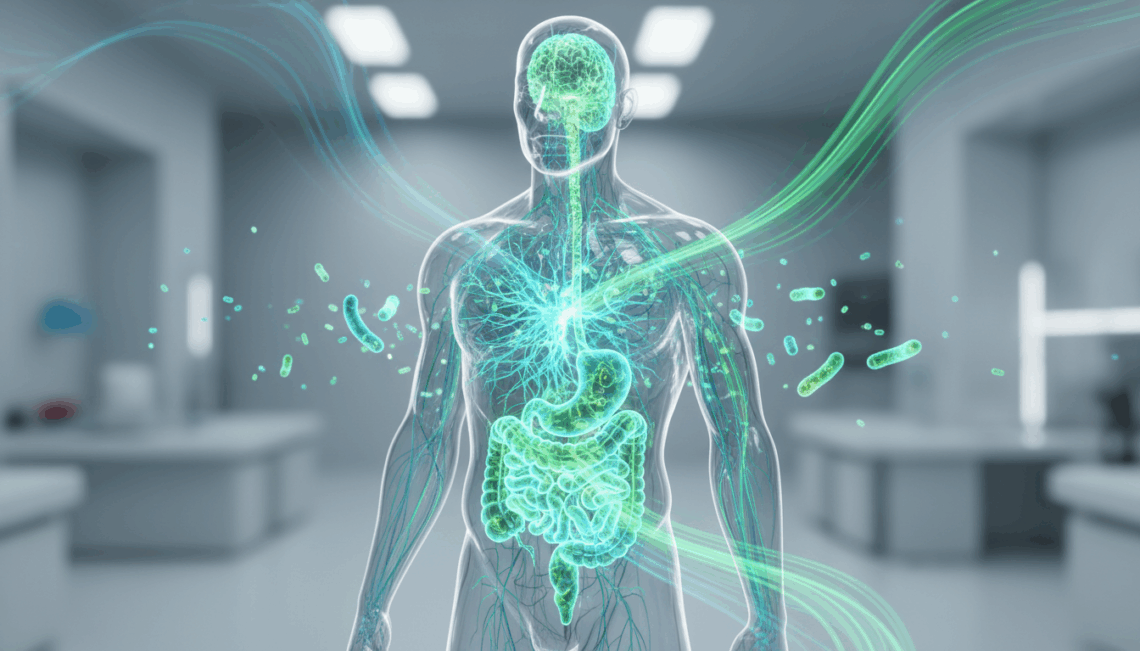
The relationship between leaky gut and weight gain is not a coincidence; it’s a complex interplay of inflammation, hormones, and metabolism. When your gut lining is compromised, it sets off a chain reaction that can directly sabotage your weight management efforts.
1. Chronic Inflammation
As toxins and other particles leak into your bloodstream, your immune system launches a continuous, low-level attack. This chronic inflammation has been shown to interfere with the normal function of insulin, a key hormone in metabolism. When your cells become resistant to insulin, your body struggles to process sugar correctly, leading it to store more fat, particularly visceral fat around your abdomen.
2. Hormonal Disruption
Your gut is a major player in regulating hormones, including those that control hunger and satiety (fullness). Ghrelin (the “hunger hormone”) and leptin (the “satiety hormone”) can be thrown off balance by gut inflammation. This can lead to increased cravings, a bigger appetite, and an inability to recognize when you’re full, making it incredibly difficult to stick to a healthy eating plan.
3. Impaired Nutrient Absorption
A damaged gut lining is also less efficient at absorbing essential vitamins and minerals. Deficiencies in nutrients like magnesium, vitamin D, and zinc can slow down your metabolism and impact your energy levels, making it harder to stay active and burn calories effectively.
Beyond Diet: A Modern Approach to Sealing the Gut Lining
While a healthy diet rich in fiber and whole foods is foundational for gut health, sometimes it’s not enough to repair a compromised gut lining. This is where a more targeted approach can be beneficial. For years, the focus has been on probiotics (good bacteria) and prebiotics (fiber that feeds them). However, new science is pointing to another powerful player: postbiotics.
Introducing Postbiotics: The Gut’s Best Friend
Postbiotics are the beneficial compounds produced by probiotics when they ferment prebiotic fiber in your gut. Think of them as the “end product” of a healthy digestive process. These compounds include short-chain fatty acids (SCFAs), enzymes, and other metabolites that directly support the health of your gut lining. Instead of just adding more bacteria, postbiotics deliver the beneficial substances your gut needs to thrive and repair itself.
Tributyrin: The Star Player for Gut Integrity
One of the most important SCFAs for gut health is butyrate. It serves as the primary fuel source for the cells that make up your intestinal wall. By providing energy to these cells, butyrate helps strengthen the tight junctions, effectively “sealing” the gut lining. The challenge is that butyrate from supplements is often broken down by stomach acid before it can reach the intestines where it’s needed. This is where an advanced form called Tributyrin comes in. It’s a highly bioavailable form of butyrate designed to survive the journey through the digestive tract and deliver its gut-healing benefits directly to your colon.
A Strategic Solution for Supporting Your Gut
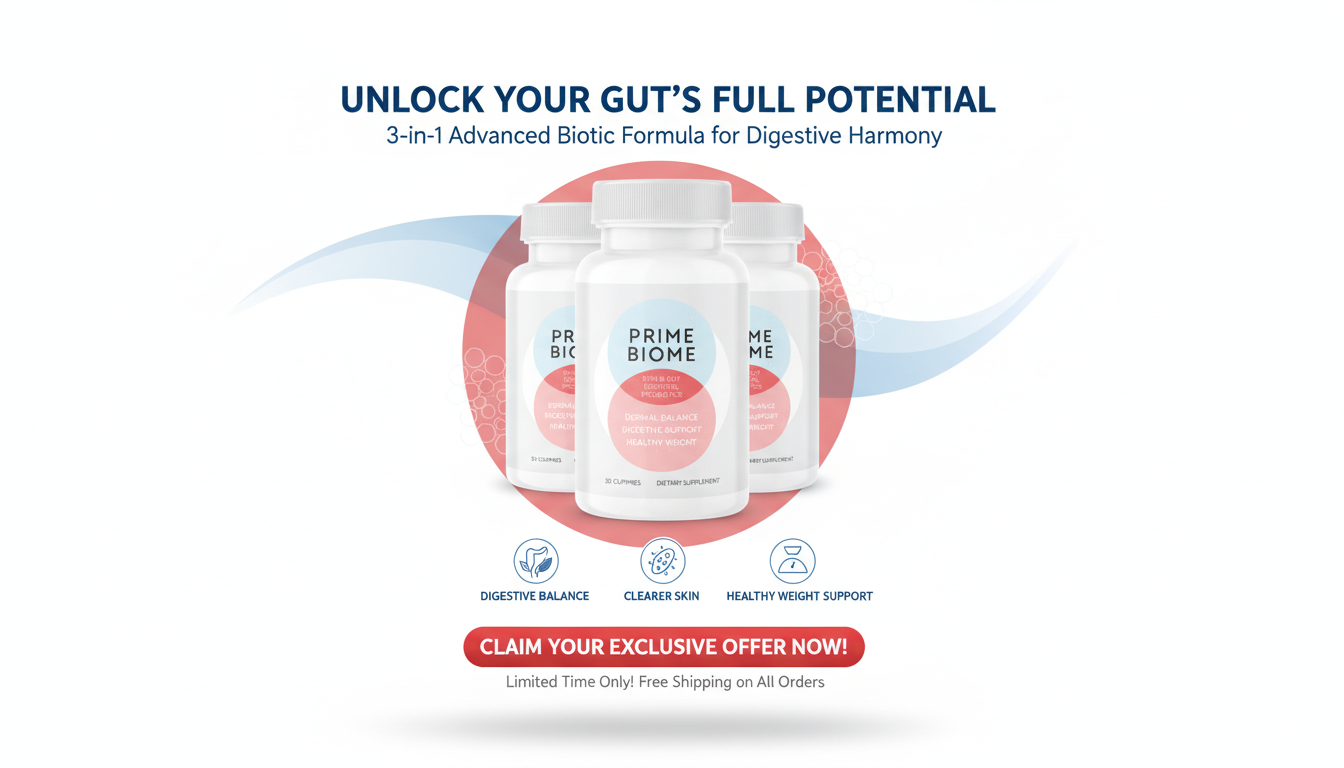
Understanding the science is one thing, but applying it is another. For those seeking a reliable way to deliver the benefits of Tributyrin to their gut, a targeted supplement can be an effective strategy. PrimeBiome is a formula specifically designed around this cutting-edge postbiotic science. It provides a potent dose of Tributyrin to directly nourish and fortify the gut lining.
By focusing on strengthening the intestinal barrier, PrimeBiome helps address the root cause of the problem—the “leaks” that trigger inflammation and metabolic disruption. This approach supports the body’s natural ability to reduce inflammation, balance hormones, and improve nutrient absorption, creating an internal environment that is conducive to healthy weight management rather than one that works against it.
Creating a Holistic Gut-Healing Strategy
A supplement can be a powerful tool, but it works best as part of a comprehensive approach. To maximize your results and support long-term gut health, consider incorporating these practices:
- Eat a Fiber-Rich Diet: Focus on fruits, vegetables, legumes, and whole grains to feed your beneficial gut bacteria.
- Manage Stress: Chronic stress is a known contributor to a leaky gut. Practices like meditation, yoga, or even deep breathing can make a significant difference.
- Prioritize Sleep: Aim for 7-9 hours of quality sleep per night. Your body performs critical repair work, including on your gut lining, while you rest.
- Stay Hydrated: Drinking plenty of water is essential for maintaining the mucosal lining of the intestines and promoting healthy digestion.
In conclusion, the frustrating battle with stubborn weight may not be your fault. The intricate link between leaky gut and weight gain reveals that a healthy, well-sealed gut is a non-negotiable foundation for a healthy metabolism. By shifting your focus from just diet and exercise to actively supporting your gut lining with powerful postbiotics like Tributyrin, you can finally address the hidden factor that may have been holding you back. Taking control of your gut health is a powerful step toward achieving lasting wellness and reaching your weight management goals.
Disclaimer: The information provided in this article is for educational purposes only and is not intended as medical advice. The content is not meant to diagnose, treat, prevent, or cure any health issue. Always consult with a qualified healthcare professional or your personal physician before starting any new supplement, diet, or fitness program, especially if you have a pre-existing medical condition or are taking medication. Individual results may vary.