
The Hidden Link: Leaky Gut and Weight Gain Explained
You follow a healthy diet, you exercise regularly, and you try to get enough sleep. Yet, the numbers on the scale refuse to budge, or worse, they keep creeping up. You’re constantly bloated, your energy levels are low, and you feel a general sense of frustration. If this sounds familiar, you might be overlooking a crucial piece of the puzzle: your gut health. The intricate connection between leaky gut and weight gain is a topic gaining significant attention, and understanding it could be the key to finally achieving your wellness goals.
Many people assume that weight management is solely about calories in versus calories out. While that’s part of the story, emerging science reveals that the state of our digestive system, specifically the integrity of our intestinal lining, plays a monumental role in regulating metabolism, inflammation, and ultimately, how our body stores fat.
What Exactly Is Leaky Gut Syndrome?
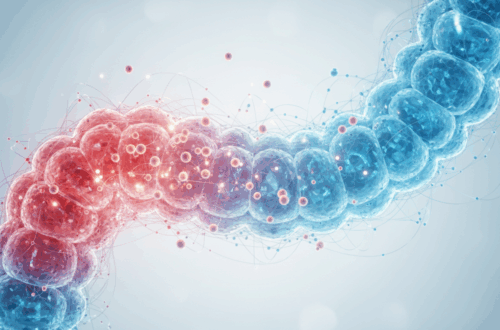
Imagine your intestinal lining as a tightly controlled gateway with microscopic openings. In a healthy gut, this barrier allows essential nutrients to pass into your bloodstream while blocking harmful substances like toxins, undigested food particles, and bad bacteria. Leaky gut syndrome, or “increased intestinal permeability,” occurs when this gateway becomes damaged. The tight junctions between the cells loosen, making the barrier more porous than it should be.
This allows unwanted substances to “leak” into your bloodstream, triggering an immune response. Your body identifies these particles as foreign invaders, launching a state of chronic, low-grade inflammation throughout your system. This inflammation is not just a localized issue; it has far-reaching effects on your overall health, especially your weight.
The Surprising Connection Between Leaky Gut and Weight Gain
So, how does a compromised gut barrier translate to extra pounds? The link is multifaceted, involving inflammation, hormonal disruption, and nutrient absorption.
1. Chronic Inflammation and Metabolism
When your body is in a constant state of inflammation due to leaky gut, it disrupts the function of key metabolic hormones. One of the most affected is insulin, the hormone responsible for managing blood sugar. Chronic inflammation can lead to insulin resistance, a condition where your cells don’t respond effectively to insulin. As a result, your body struggles to use glucose for energy, and instead, stores it as fat, particularly around the abdomen.
2. Nutrient Malabsorption and Cravings
A damaged gut lining isn’t just letting bad things in; it’s also failing to properly absorb the good things. Essential vitamins and minerals from your healthy diet may not be fully absorbed, leading to nutrient deficiencies. Your body, sensing it lacks the nutrients it needs to function, can trigger intense cravings for high-calorie or sugary foods in an attempt to get a quick energy source, sabotaging your weight loss efforts.
3. Imbalance in Gut Microbiome
Leaky gut often goes hand-in-hand with an imbalance in your gut bacteria, known as dysbiosis. An overgrowth of “bad” bacteria can further damage the intestinal lining and even influence your appetite. Certain types of gut bacteria are more efficient at extracting calories from food, meaning two people could eat the exact same meal, but the one with an unhealthy microbiome might absorb more calories from it.
Are You Experiencing Symptoms of Leaky Gut?
While persistent weight gain is a significant indicator, it’s often accompanied by other symptoms that point to a compromised gut. These can include:
- Chronic bloating, gas, or indigestion
- Food sensitivities or intolerances
- Skin issues like acne, eczema, or rosacea
- Brain fog and difficulty concentrating
- Fatigue and low energy levels
- Joint pain and body aches
If this list resonates with you, it may be time to focus on healing your gut lining as a primary strategy for both your overall health and weight management.
Natural Ways to Support a Healthy Gut Lining
The good news is that you can take proactive steps to restore the integrity of your gut. Healing is a holistic process that involves both removing irritants and adding beneficial elements.
- Adjust Your Diet: Focus on whole, unprocessed foods. Incorporate plenty of fiber from fruits and vegetables, which feeds beneficial gut bacteria. Bone broth, rich in collagen and amino acids, can be very soothing for the gut lining.
- Reduce Inflammatory Foods: Try to limit or eliminate common culprits like processed sugar, refined carbohydrates, and industrial seed oils, which can promote inflammation and irritate the gut.
- Manage Stress: Chronic stress has a direct negative impact on gut health. Incorporate practices like meditation, deep breathing, yoga, or spending time in nature to manage your stress levels.
- Prioritize Sleep: Quality sleep is essential for cellular repair, including the cells that make up your intestinal lining. Aim for 7-9 hours of restful sleep per night.
The Modern Approach: Why Postbiotics Are a Game-Changer
While probiotics (live beneficial bacteria) are well-known, the conversation around gut health is evolving. Scientists are now focusing on postbiotics. Postbiotics are the beneficial compounds, such as short-chain fatty acids and peptides, that are produced when probiotics feed on prebiotics (fiber). Essentially, they are the “active ingredients” responsible for many of the health benefits we associate with a good gut.
Supplementing directly with postbiotics is a more direct approach. It delivers these powerful compounds straight to your system, helping to nourish the gut lining, reduce inflammation, and support a healthy microbial balance without having to wait for probiotics to produce them.
A Targeted Solution for Gut Health and Weight Management
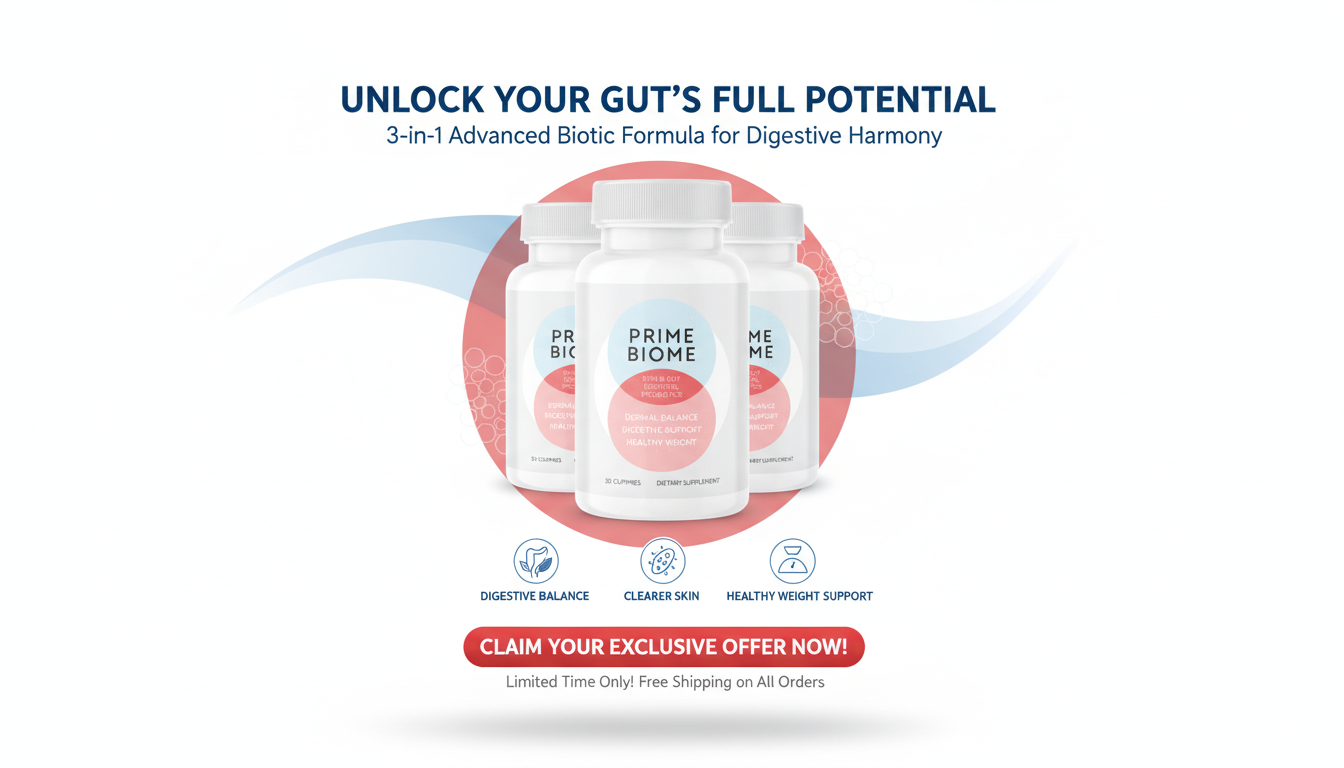
For those looking for a comprehensive formula to address the complex issues of leaky gut and weight gain, products designed around this modern understanding of the microbiome can be highly effective. PrimeBiome is one such solution that utilizes a postbiotic approach. Its formula includes specific, well-researched strains like L. Gasseri, known for its potential role in weight management, and L. Rhamnosus, which helps support the gut barrier.
By also including prebiotics like Fructooligosaccharides (FOS), it provides the fuel needed for your existing good bacteria to thrive. This dual-action approach of providing postbiotic compounds while nourishing your native microbiome helps create a powerful environment for gut restoration, which in turn supports a healthier metabolism and a more balanced inflammatory response.
In conclusion, the path to sustainable weight loss isn’t always found on the treadmill or in a salad bowl. It often begins deep within your digestive system. By understanding the critical link between leaky gut and weight gain, you can shift your focus to healing your internal environment. Addressing intestinal permeability and rebalancing your microbiome can break the cycle of inflammation and metabolic dysfunction, allowing your body to finally respond to your healthy lifestyle efforts. Taking control of your gut health is a foundational step toward achieving not just your weight goals, but lasting, vibrant wellness.
Frequently Asked Questions (FAQ)
How long does it take to see changes in gut health?
The timeline for healing the gut varies greatly from person to person, depending on the level of damage and lifestyle factors. Some people may notice improvements in bloating and digestion within a few weeks, while more significant changes, like weight loss, may take a few months of consistent effort.
Can I get postbiotics from food?
Yes, fermented foods like yogurt, kefir, and kimchi are sources of postbiotics, as the beneficial compounds are created during the fermentation process. However, the concentration and specific types of postbiotics can vary. Supplementation offers a more targeted and concentrated dose.
Is this a replacement for a healthy diet?
Absolutely not. Supplements are intended to support, not replace, a healthy lifestyle. The most effective and sustainable results come from combining a targeted supplement strategy with a nutrient-dense diet, regular exercise, stress management, and adequate sleep.
Disclaimer: The information in this article is for educational purposes only and is not intended as medical advice. Always consult with a qualified healthcare professional before starting any new supplement or making significant changes to your diet or lifestyle, especially if you have a pre-existing medical condition.