The Frustrating Cycle of Unexplained Weight Gain
You follow your diet. You make time for exercise. You drink plenty of water and try to get enough sleep. Yet, the scale refuses to budge, and you’re left with persistent bloating and digestive discomfort that makes you feel tired and discouraged. If this scenario sounds familiar, you’re not alone. Millions of people struggle with this frustrating cycle, often believing they must be doing something wrong. However, the root cause might not be in your diet or workout routine, but rather hidden deep within your digestive system. The critical, often overlooked connection between leaky gut and weight gain could be the missing piece of your health puzzle.
Understanding this connection is the first step toward finally breaking free from the cycle and achieving the wellness you deserve. This isn’t about a new fad diet or an impossible exercise regimen; it’s about addressing the foundational health of your gut.
What Exactly Is Leaky Gut Syndrome?
Leaky Gut Syndrome, known in the medical community as “increased intestinal permeability,” is a condition affecting the lining of your intestines. Imagine your intestinal lining as a tightly woven net with very small holes. This net is designed to let micronutrients, vitamins, and minerals pass through into your bloodstream while blocking larger, harmful substances like undigested food particles, toxins, and microbes.
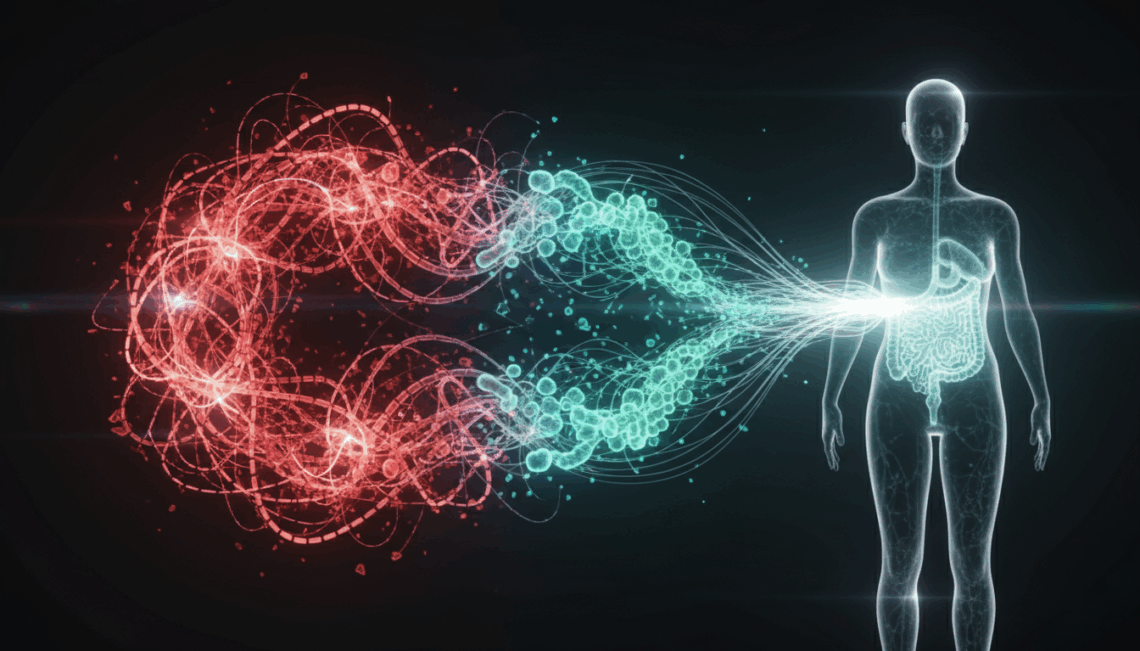
In a healthy gut, this barrier works perfectly. With a leaky gut, however, the “net” becomes damaged. The tight junctions between the cells of the intestinal wall loosen, and the holes get bigger. This allows those harmful, larger particles to “leak” into your bloodstream, where they don’t belong. Your immune system, recognizing these particles as foreign invaders, launches an attack, triggering inflammation throughout your body.
The Critical Connection: Leaky Gut and Weight Gain
This chronic, low-grade inflammation is the primary driver behind the link between leaky gut and weight gain. It disrupts your body’s natural processes in several key ways that make losing weight incredibly difficult.
1. Widespread Inflammation
When your body is in a constant state of inflammation, it disrupts the signaling of key hormones, including insulin. This can lead to insulin resistance, a condition where your cells don’t respond properly to insulin and can’t efficiently use glucose for energy. As a result, your body is more likely to store that excess glucose as fat, particularly around the abdomen.
2. Nutrient Malabsorption
A damaged gut lining isn’t just letting bad things out; it’s also failing to properly absorb good things. You could be eating a nutrient-dense diet, but if your gut is compromised, you may not be absorbing the essential vitamins and minerals your body needs to function optimally. Deficiencies in nutrients like magnesium, zinc, and B vitamins can slow down your metabolism and reduce your energy levels, making it harder to stay active and burn calories.
3. Disrupted Hunger Hormones
Your gut plays a huge role in regulating appetite by producing hormones like ghrelin (the “hunger hormone”) and leptin (the “satiety hormone”). Inflammation from a leaky gut can interfere with the production and reception of these hormones. This can lead to increased cravings, especially for sugar and high-carb foods, and an inability to feel full, even after a substantial meal.
What Causes a Leaky Gut?
Several factors in modern life can contribute to the breakdown of the intestinal barrier. Identifying them is crucial for taking steps toward healing.
- Poor Diet: A diet high in processed foods, sugar, unhealthy fats, and gluten can irritate the gut lining and feed harmful bacteria.
- Chronic Stress: Prolonged stress weakens your immune system and can degrade the integrity of your intestinal lining over time.
- Toxins: Environmental toxins, including pesticides and excessive alcohol, can directly damage the cells of the gut wall.
- Bacterial Imbalance (Dysbiosis): An overgrowth of harmful bacteria and a lack of beneficial bacteria can lead to inflammation and damage to the gut lining.
- Lack of Sleep: Poor sleep quality disrupts your body’s natural repair processes, including the maintenance of a healthy gut barrier.
A Strategic Approach to Healing Your Gut
Healing a leaky gut and addressing the related weight gain requires a holistic approach that focuses on removing irritants and providing the body with the building blocks it needs to repair itself. While you should always consult a healthcare professional for personalized advice, the foundational strategies are centered on lifestyle and targeted nutrition.
Start with Your Diet
Focus on a whole-foods diet rich in anti-inflammatory foods. This includes leafy greens, healthy fats like avocado and olive oil, lean proteins, and fiber-rich vegetables. At the same time, work on reducing or eliminating inflammatory triggers like sugar, processed foods, and excessive alcohol.
Manage Stress and Prioritize Sleep
Incorporate stress-management techniques like meditation, deep breathing, or gentle exercise such as yoga. Aim for 7-9 hours of quality sleep per night to allow your body the time it needs to rest and repair.
The Role of Targeted Nutrients and Prebiotic Fibers
Beyond a general healthy diet, repairing a damaged gut lining often requires a specific set of nutrients and fibers that can be difficult to obtain in sufficient quantities from food alone. Prebiotic fibers, for instance, are essential as they act as food for your beneficial gut bacteria. These good bacteria then produce short-chain fatty acids like butyrate, which is the primary fuel source for the cells of your intestinal wall, helping them to heal and strengthen the gut barrier.
Supporting Your Journey: A Tool for Gut Restoration
Making these significant lifestyle changes is the most important step, but sometimes your body needs extra support to accelerate the healing process. This is where targeted supplementation can play a powerful role in addressing the core issues of leaky gut and weight gain.
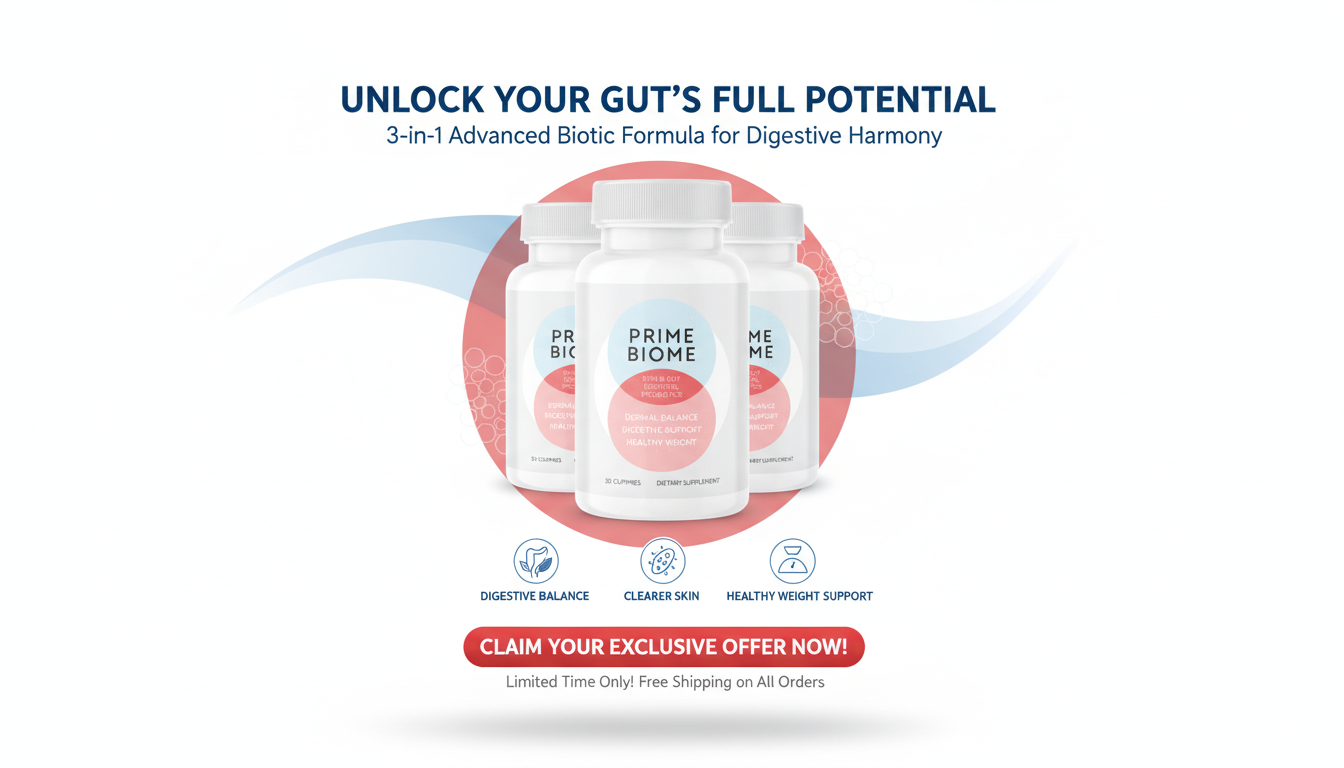
Formulations designed specifically for gut health can provide the concentrated doses of key ingredients needed for repair. For example, a supplement like PrimeBiome is formulated with this specific purpose in mind. It combines essential prebiotic fibers like Fructooligosaccharides (FOS) and Konjac Root, which directly feed your beneficial bacteria and support a healthy gut lining. It also includes other key nutrients like Choline and Chromium to support a healthy metabolism and overall wellness.
By incorporating a dedicated gut-support formula, you can ensure your body is receiving the precise tools it needs to repair the intestinal barrier, reduce inflammation, and restore balance. Think of it not as a replacement for a healthy lifestyle, but as a specialized tool to enhance and support your efforts, helping you finally overcome the frustrating link between your gut health and your weight.
Your Path Forward
The connection between a leaky gut and weight gain is a critical piece of the health puzzle that is too often ignored. Chronic inflammation, hormonal disruption, and nutrient malabsorption create a powerful barrier to weight loss. By shifting your focus to healing your gut through a nutrient-dense diet, stress management, and targeted nutritional support, you can address the root cause of your struggles. Taking control of your gut health is taking control of your overall well-being, paving the way for a healthier metabolism and a body that finally feels balanced and energized.