
The Frustrating Cycle of Skin Care
You’ve tried everything. The cleansers, the expensive serums, the “miracle” creams, and the multi-step routines that promise flawless skin. Yet, despite your best efforts, you’re still battling persistent acne, frustrating eczema, rosacea flare-ups, or premature signs of aging. It’s a discouraging cycle that can leave you feeling hopeless, wondering what you’re doing wrong. But what if the answer isn’t in another bottle on your bathroom shelf? What if the true source of your skin woes lies much deeper? Emerging science is revealing a powerful connection between gut health and skin problems, an intricate relationship known as the gut-skin axis.
What Is the Gut-Skin Axis?
Think of the gut-skin axis as a constant, two-way communication highway between the trillions of microorganisms living in your digestive tract (your gut microbiome) and your body’s largest organ, your skin. A healthy, balanced gut microbiome sends signals that promote calm, healthy, and resilient skin. However, when this delicate ecosystem is disrupted, it can send out distress signals that manifest directly on your face and body.
When your gut is unhappy, your skin is often the first to show it. This is because an imbalanced gut can lead to systemic inflammation, a primary driver behind many chronic skin conditions. The key to unlocking clear, radiant skin isn’t about fighting symptoms on the surface; it’s about restoring balance from within.
Leaky Gut: When Internal Problems Become External
One of the most significant issues affecting the gut-skin axis is a condition known as intestinal permeability, or “leaky gut.” In a healthy gut, the intestinal lining is strong and tightly sealed. It acts as a gatekeeper, allowing vital nutrients to pass into the bloodstream while blocking harmful substances like undigested food particles, toxins, and bad bacteria.
When the gut lining becomes inflamed and damaged, these “gates” can be left open. This allows those harmful substances to “leak” into your bloodstream, triggering an immune response. Your body goes on high alert, creating system-wide inflammation as it tries to fight off these perceived invaders. This chronic, low-grade inflammation can then travel throughout your body and erupt on your skin in various ways.
Common Skin Problems Linked to Gut Imbalance
- Acne: Research suggests a strong link between gut dysbiosis (an imbalance of good and bad bacteria) and acne. Inflammation from the gut can exacerbate sebum production and clog pores.
- Eczema (Atopic Dermatitis): Many studies have shown that individuals with eczema often have less diverse gut microbiomes and higher instances of leaky gut, which contributes to the inflammatory skin response.
- Rosacea: This condition, characterized by facial redness and flushing, is closely tied to gut inflammation. A significant number of rosacea sufferers have been found to have gut issues like SIBO (Small Intestinal Bacterial Overgrowth).
- Premature Aging: Chronic inflammation can break down collagen and elastin, the proteins that keep our skin firm and youthful. A healthy gut helps reduce this inflammatory damage, protecting your skin’s structure.
The Solution Starts Within: Healing with Postbiotics
If the root of many skin issues is gut inflammation and a leaky gut lining, then the most effective solution is to heal that lining. This is where a powerful class of compounds called postbiotics comes into play. While probiotics are beneficial live bacteria and prebiotics are the fiber that feeds them, postbiotics are the beneficial compounds produced *by* the bacteria when they ferment prebiotic fiber.
The most important postbiotic for gut lining integrity is Butyrate. Butyrate is a short-chain fatty acid that serves as the primary fuel source for the cells that make up your intestinal wall. By feeding these cells, butyrate helps them repair and strengthen the gut barrier, effectively “sealing the leaks.” A strong, sealed gut lining means less inflammation, which in turn leads to calmer, clearer skin.
While your body can produce its own butyrate, modern diets and high stress levels often mean production is far too low to effectively heal a compromised gut. Supplementing can provide the concentrated dose needed to truly restore the gut barrier. However, not all butyrate supplements are created equal. Standard butyrate can often be broken down in the stomach before it reaches the colon where it’s most needed. That’s why its delivery form is critical.
A Targeted Approach: Why PrimeBiome Stands Out
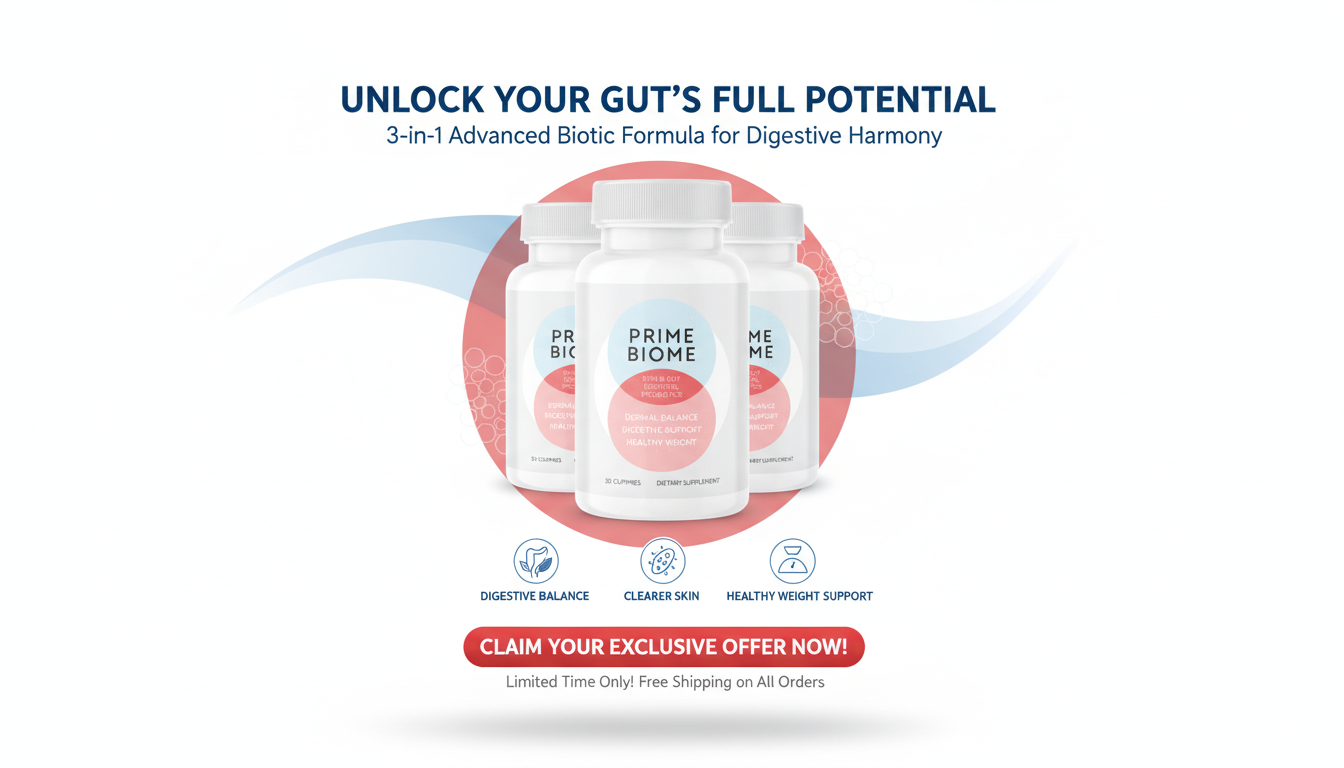
This is where a targeted postbiotic solution like PrimeBiome can be a game-changer. It is formulated with Tributyrin, a scientifically advanced and more bioavailable form of butyrate. Tributyrin is essentially three butyrate molecules bound together, which allows it to survive the harsh environment of the stomach and travel deep into the colon to deliver its healing power directly where it’s needed most.
By providing a potent, direct source of fuel for your gut lining, PrimeBiome helps to:
- Soothe and Seal the Gut Barrier: Directly addresses the root cause of leaky gut, reducing the amount of inflammatory triggers entering your bloodstream.
- Calm Systemic Inflammation: By healing the gut, it helps lower the body-wide inflammation that manifests as skin problems.
- Restore a Healthy Gut-Skin Axis: It promotes a balanced internal environment, leading to visibly healthier, clearer, and more radiant skin from the inside out.
This isn’t just another supplement; it’s a strategic tool designed to fix the underlying issue that topical creams can never reach.
Lifestyle and Diet: Supporting Your Gut-Skin Axis
While a targeted supplement can provide powerful repair, supporting your gut with daily healthy habits is crucial for long-term success. Focusing on a gut-friendly diet and lifestyle will enhance the benefits of any supplement and help you maintain vibrant skin for years to come.
Nourish Your Microbiome with Fiber
Prebiotic fiber is the food your beneficial gut bacteria need to thrive and produce their own butyrate. Aim to incorporate a wide variety of plant-based foods into your diet.
- Vegetables: Asparagus, onions, garlic, leeks, and leafy greens.
- Fruits: Apples, bananas (especially slightly green ones), and berries.
- Legumes: Chickpeas, lentils, and beans.
- Whole Grains: Oats, barley, and quinoa.
Incorporate Fermented Foods
Fermented foods are a natural source of probiotics, the beneficial bacteria themselves. Including them in your diet helps to diversify and strengthen your gut microbiome.
- Yogurt and Kefir: Look for plain, unsweetened varieties with live active cultures.
- Sauerkraut and Kimchi: These fermented cabbage dishes are packed with probiotics.
- Kombucha: A fermented tea that can be a healthy alternative to sugary sodas.
Manage Stress Levels
Chronic stress is a major enemy of gut health. The stress hormone cortisol can directly damage the gut lining and disrupt the balance of your microbiome. Finding healthy ways to manage stress is non-negotiable for both gut and skin health.
- Mindfulness and Meditation: Even 10 minutes a day can lower cortisol levels.
- Gentle Exercise: Activities like walking, yoga, or swimming can reduce stress and improve digestion.
- Prioritize Sleep: Aim for 7-9 hours of quality sleep per night to allow your body and gut to rest and repair.
The Final Word: Your Skin Is a Reflection of Your Gut
If you feel like you’re at war with your own skin, it’s time to change the battlefield. The path to lasting clear skin isn’t about waging a war on the surface; it’s about cultivating peace and balance within your gut. By understanding and nurturing the gut-skin axis, you can finally address the root cause of your skin concerns. A holistic approach that combines a gut-friendly diet, stress management, and a powerful, targeted postbiotic to heal your gut lining is the most effective strategy for achieving the healthy, radiant skin you deserve.
Stop the endless cycle of topical treatments and start your journey to healing from the inside out. Your skin will thank you for it.