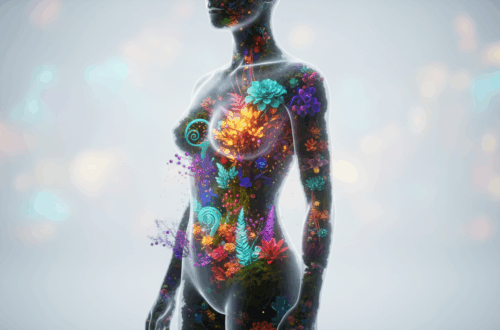

The Hidden Connection: How Gut Health and Skin Problems Are Linked
You’ve tried every cream, serum, and topical treatment on the market. You’ve changed your pillowcases, cleansed your face religiously, and maybe even cut out certain foods, yet the breakouts, redness, or irritation persists. It’s a frustrating cycle that leaves many feeling hopeless. But what if the root of your skin issues isn’t on the surface? What if it’s hidden deep within your body? Growing scientific evidence points to a powerful connection that many people overlook: the intricate relationship between gut health and skin problems. This connection, often called the gut-skin axis, might just hold the key to achieving the clear, radiant skin you’ve been dreaming of.
What Exactly Is the Gut-Skin Axis?
The gut-skin axis is a term used to describe the constant, two-way communication between your gut microbiome—the trillions of bacteria living in your digestive tract—and your skin. Think of your gut as a bustling city. When it’s in balance, everything runs smoothly. But when things go wrong, the chaos can spill over and manifest in distant places, including your largest organ: your skin. A healthy gut lining acts as a barrier, carefully controlling what gets absorbed into your bloodstream. When this barrier is compromised, it can trigger a cascade of inflammation that shows up as acne, eczema, rosacea, and even premature aging.
The Root of the Issue: Understanding Leaky Gut Syndrome
One of the primary culprits behind many gut-related skin issues is a condition known as intestinal permeability, or “leaky gut.” In a healthy gut, the cells lining your intestines are tightly packed together. In a leaky gut, these tight junctions loosen. This allows undigested food particles, toxins, and bacteria to “leak” from your intestines into your bloodstream, where they don’t belong.
When your immune system detects these foreign invaders, it launches a full-scale inflammatory response. This systemic inflammation doesn’t just stay in one place; it travels throughout your body and can trigger inflammatory skin conditions. Essentially, the battle for your health starts in your gut, but the visible evidence often appears on your face and body.
How Gut Imbalances Visibly Affect Your Skin
The link between gut health and skin problems isn’t just a theory; it’s observable in several common conditions:
- Acne: Studies have shown that people with acne are more likely to have imbalances in their gut flora (a state called dysbiosis) and increased intestinal permeability. Inflammation from the gut can exacerbate sebum production and clog pores.
- Eczema (Atopic Dermatitis): Eczema is strongly linked to immune system dysfunction. A leaky gut can overstimulate the immune system, leading to the chronic inflammation that causes red, itchy, and painful rashes.
- Rosacea: Research indicates a higher prevalence of Small Intestinal Bacterial Overgrowth (SIBO) in individuals with rosacea. Treating the gut imbalance often leads to a significant improvement in rosacea symptoms.
- Premature Aging: Chronic, low-grade inflammation from a compromised gut can accelerate the breakdown of collagen and elastin, the proteins that keep your skin firm and youthful. This can lead to fine lines, wrinkles, and a loss of elasticity.

Key Signs Your Gut May Be Affecting Your Skin
If you’re experiencing stubborn skin issues, it’s worth looking for other signs of a potential gut imbalance. Do any of these sound familiar?
- Frequent bloating, gas, or indigestion.
- Constipation, diarrhea, or irregular bowel movements.
- Unexplained fatigue or brain fog.
- Food sensitivities or intolerances.
- Sugar cravings, especially for processed foods.
These symptoms, combined with persistent skin problems, are strong indicators that your gut may be crying out for help. Addressing the root cause internally is often more effective than only treating the symptoms externally.
How to Improve Gut Health for Better Skin
The good news is that you have the power to improve your gut health. While it requires a holistic approach, the changes can have a profound impact not just on your skin, but on your overall well-being. The journey begins with diet, lifestyle, and targeted support.
The Role of Probiotics in Skin Health
Probiotics are the “good” bacteria that help maintain a healthy balance in your gut microbiome. They work by crowding out harmful bacteria, strengthening the gut barrier, and modulating the immune system to reduce inflammation. Incorporating probiotic-rich foods like yogurt, kefir, and kimchi is a great start. However, for a more targeted approach to address the specific strains linked to skin health, a high-quality supplement can be incredibly beneficial.
Why Diet and Lifestyle Are Foundational
You cannot supplement your way out of a poor diet. Focus on a whole-foods diet rich in fiber, prebiotics (the food for your good bacteria), and anti-inflammatory nutrients. This includes plenty of fruits, vegetables, and lean proteins. Equally important is managing stress, as high cortisol levels can directly damage your gut lining. Prioritizing sleep and gentle exercise also plays a crucial role in maintaining a healthy gut-skin axis.
A Targeted Approach to Restoring the Gut-Skin Axis
While lifestyle changes are the foundation, healing a compromised gut and rebalancing your microbiome can be a slow process. This is where a targeted supplement can provide crucial support. The goal is to find a formula designed specifically to address the core issues of leaky gut and dysbiosis, providing the building blocks your body needs to repair itself from the inside out.
A comprehensive formula should do more than just provide probiotics. It should include ingredients that actively soothe and repair the gut lining, along with specific probiotic strains clinically studied for their impact on skin health. This dual-action approach helps to both fix the “leaky” barrier and restore the healthy microbial balance needed to calm systemic inflammation.
In conclusion, the path to clear, healthy skin may not lead to your medicine cabinet, but rather to your kitchen and your gut. By understanding and nurturing the vital gut-skin axis, you can finally address the root cause of your skin woes. Listening to your body and focusing on internal healing empowers you to take control of your skin health in a way that topical treatments alone never could. Remember, beautiful skin is often a reflection of a healthy, happy gut.
Frequently Asked Questions
How long does it take to see skin improvements after healing the gut?
There is no one-size-fits-all answer, as everyone’s body is different. Some people may notice improvements in a few weeks, while for others, it might take a few months of consistent effort. The key is patience and consistency with your diet, lifestyle changes, and any supplements you choose to incorporate.
Can I just take probiotics and not change my diet?
While probiotics can be very helpful, they work best as part of a holistic strategy. A diet high in sugar and processed foods can feed harmful bacteria, effectively working against the efforts of the probiotics. For best results, combine supplementation with a gut-friendly diet.
Is this information a substitute for medical advice?
Absolutely not. The information provided in this article is for educational purposes only. It is crucial to consult with a qualified healthcare professional or dermatologist to get a proper diagnosis and discuss any new treatment plans or supplements, especially if you have pre-existing health conditions.