The Link Between Gut Health and Weight Loss
You follow your diet. You exercise consistently. You do everything you’re supposed to do, but the numbers on the scale refuse to move. It’s a deeply frustrating experience that can make you feel like your own body is working against you. If this sounds familiar, you’re not alone, and the reason might not be a lack of willpower, but rather a hidden imbalance deep within your digestive system. The critical connection between gut health and weight loss is one of the most exciting frontiers in modern health science, revealing why some people struggle while others seem to succeed effortlessly.
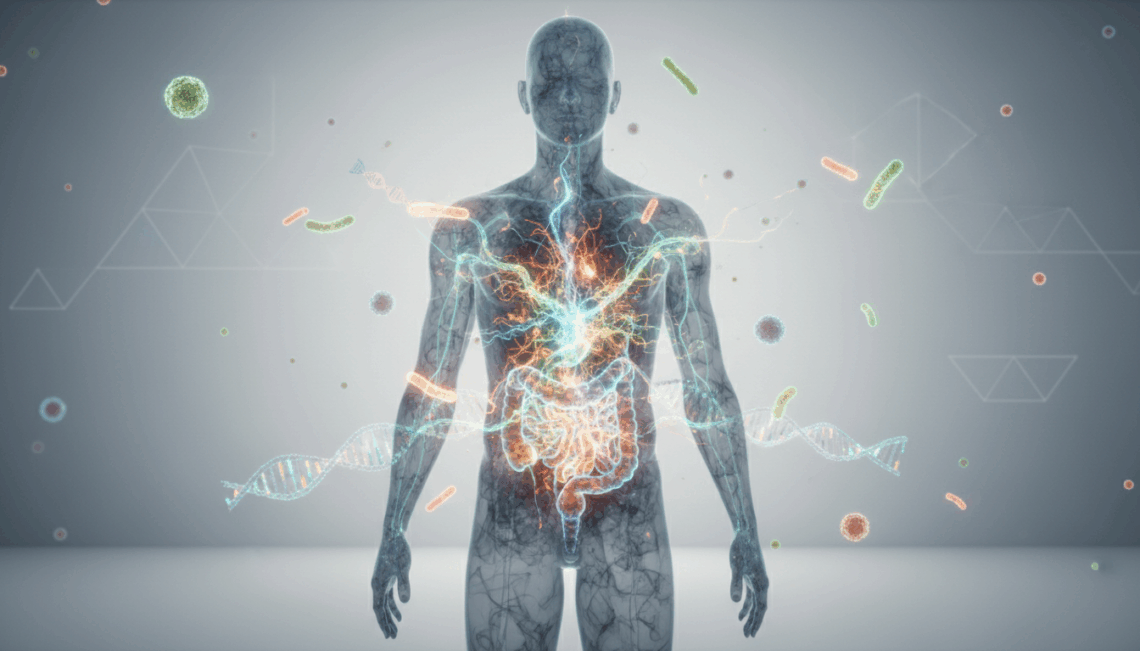
Your body is home to trillions of microorganisms, collectively known as the gut microbiome. This complex ecosystem of bacteria, fungi, and other microbes plays a fundamental role in everything from your immune system and mood to, most importantly, your metabolism and how your body stores fat. When this internal ecosystem is in balance, it works like a well-oiled machine. But when it’s out of balance, it can become a major obstacle to achieving a healthy weight.
Understanding the Gut Microbiome
Think of your gut as a bustling city inside you. In this city live trillions of residents (microbes) who perform essential jobs. They help break down food your body can’t digest on its own, produce vital vitamins, regulate your immune system, and even communicate with your brain. A healthy gut is characterized by a high diversity of these microbial residents, with beneficial bacteria flourishing and keeping harmful bacteria in check.
However, modern lifestyles—stress, processed foods, lack of sleep, and certain medications—can disrupt this delicate balance. This disruption, known as dysbiosis, can lead to a range of health issues, with weight gain being one of the most common consequences.
The Firmicutes vs. Bacteroidetes Ratio: A Key Player in Weight
Within your gut microbiome, two major groups of bacteria are particularly influential in weight management: Firmicutes and Bacteroidetes. Scientific research has revealed a compelling pattern:
- Firmicutes: This group of bacteria is incredibly efficient at extracting calories from food. A higher proportion of Firmicutes is often associated with a higher body weight because they help your body absorb more calories from what you eat—calories that are then more likely to be stored as fat.
- Bacteroidetes: This group is less efficient at calorie extraction. A higher ratio of Bacteroidetes to Firmicutes is consistently linked with a leaner body mass.
Studies have shown that individuals with obesity tend to have a higher F-B (Firmicutes-to-Bacteroidetes) ratio than their leaner counterparts. This suggests that the composition of your gut bacteria can directly influence how many calories you absorb from the exact same meal, providing a powerful explanation for why weight loss can be so challenging.
How an Imbalanced Gut Directly Impacts Your Weight
The F-B ratio is just one part of the story. An unhealthy gut can sabotage your weight loss efforts in several other ways:
1. Increased Cravings and Appetite
Your gut bacteria can influence your cravings. Certain types of unhealthy bacteria thrive on sugar and refined carbohydrates. They can send signals to your brain that increase your desire for these very foods, creating a vicious cycle where you feed the “bad” bacteria, which in turn makes you crave more unhealthy food. This isn’t a lack of willpower; it’s your microbiome influencing your behavior.
2. Inflammation and Insulin Resistance
An unhealthy gut lining can become “leaky,” allowing toxins to pass into your bloodstream. This triggers a low-grade, chronic inflammatory response throughout your body. Chronic inflammation is a major driver of insulin resistance, a condition where your cells stop responding properly to the hormone insulin. When this happens, your body needs to produce more insulin to manage blood sugar, and high insulin levels are a powerful signal to store fat, particularly around the abdomen.
3. Fat Storage and Metabolism
Your gut microbiome also helps regulate genes related to fat storage. A balanced gut promotes a healthy metabolism, signaling your body to burn energy efficiently. When out of balance, it can flip the switch, telling your body to store more energy as fat for later use, even when you’re not overeating.
How to Improve Your Gut Health for Weight Loss
The good news is that you have the power to change your gut microbiome. By making strategic lifestyle and dietary choices, you can cultivate a healthier internal ecosystem that supports your weight loss goals.
Focus on Fiber and Whole Foods
Beneficial gut bacteria thrive on prebiotic fiber found in plant-based foods. Aim to increase your intake of:
- Vegetables: Onions, garlic, asparagus, leafy greens, and artichokes.
- Fruits: Berries, apples, and bananas.
- Legumes: Beans, lentils, and chickpeas.
- Whole Grains: Oats, quinoa, and barley.
Incorporate Fermented Foods
Fermented foods are rich in probiotics, the live beneficial bacteria that help restore balance to your gut. Include items like yogurt (with live cultures), kefir, sauerkraut, kimchi, and kombucha in your diet.
Reduce Sugar and Processed Foods
Sugar and highly processed foods feed the harmful bacteria in your gut, promoting inflammation and cravings. By reducing your intake, you starve the bad microbes and give the good ones a chance to flourish.
A Targeted Approach to Rebalancing Your Gut
While diet and lifestyle changes are the foundation of good gut health, rebalancing a significantly disrupted microbiome—especially the critical F-B ratio—can be a slow process. For those seeking a more direct and targeted approach, modern science offers solutions designed specifically to address this imbalance.
This is where a supplement like PrimeBiome can play a crucial role. It is formulated based on the scientific understanding of the link between gut health and weight loss. Its ingredients are specifically chosen to help repopulate the gut with beneficial bacteria associated with a leaner body composition and support a healthier F-B ratio. Instead of just general probiotic support, it provides a targeted method to address the very imbalance that research suggests could be holding your weight loss efforts hostage.
By combining PrimeBiome with a healthy diet, you provide your body with both the foundational building blocks and the specific microbial allies needed to create an internal environment that supports, rather than sabotages, your goals.
Conclusion: Your Gut Is Your Greatest Ally
The frustration of hitting a weight loss plateau is real, but the reason may lie within your gut microbiome. Understanding the profound link between gut health and weight loss empowers you to shift your focus from simply counting calories to cultivating a thriving internal ecosystem. By nourishing your beneficial bacteria through a healthy diet and considering targeted support to rebalance your F-B ratio, you can finally unlock your body’s natural potential to achieve and maintain a healthy weight. It’s time to stop fighting against your body and start working with it from the inside out.
Frequently Asked Questions (FAQ)
Can poor gut health really stop me from losing weight?
Yes, compelling research suggests it can be a significant factor. An imbalanced microbiome can increase calorie absorption, drive cravings for unhealthy foods, promote inflammation, and encourage fat storage, creating major roadblocks to weight loss even with a good diet and exercise.
How long does it take to improve gut health?
You can start making positive changes in your microbiome in as little as a few days with dietary adjustments. However, achieving a significant, stable rebalancing, especially of the F-B ratio, can take several weeks to months of consistent effort.
Is a supplement necessary?
While not strictly necessary for everyone, a targeted supplement like PrimeBiome can be a powerful tool for those who have a significant imbalance or who want to accelerate the process of creating a gut environment conducive to weight loss. It provides specific strains researched for their role in metabolic health.
Disclaimer: The information in this article is for educational purposes only. Always consult with a qualified healthcare professional before starting any new diet, exercise program, or dietary supplement to ensure it is appropriate for your individual health needs and conditions.