We see it in the mirror every day—a new fine line, a patch of skin that isn’t as firm as it used to be, or a sunspot that seems to have appeared overnight. For decades, we’ve been told the story of collagen loss, sun damage, and dehydration. We buy the creams, apply the serums, and stay out of the sun, yet the changes continue. It leads to a frustrating question: what if we’ve only been treating the symptoms? Understanding the true root cause of skin aging requires us to look deeper, beyond the surface and into the very building blocks of our skin.
This isn’t about dismissing the importance of a good moisturizer or sunscreen—those are fundamental. However, for those who feel they are doing everything right but still not seeing the results they hope for, it’s time to explore the cellular science behind why and how our skin truly ages.
Why Do We Get Wrinkles? The Conventional Answers
Before we dive deeper, let’s quickly cover the factors that are commonly accepted as the primary drivers of aging. These are significant contributors, and understanding them provides a baseline for the more complex processes happening underneath.
Collagen and Elastin Degradation
Think of collagen as the scaffolding that gives your skin its structure and firmness, while elastin provides its ability to snap back into place. Starting in our mid-20s, our bodies produce less of both. External factors accelerate their breakdown, leading to sagging and the formation of wrinkles. This is the most well-known aspect of skin aging.
Sun Exposure (Photoaging)
UV radiation from the sun is perhaps the single most significant external factor in skin aging. It generates free radicals—unstable molecules that damage cells, DNA, and, you guessed it, collagen and elastin fibers. This results in wrinkles, pigmentation issues (age spots), and a rough skin texture.
Lifestyle and Environmental Factors
Pollution, smoking, poor diet, and chronic stress all contribute to oxidative stress in the body. This constant assault from free radicals overwhelms the skin’s natural defense mechanisms, accelerating the visible signs of aging.
Digging Deeper: The Cellular Level of Skin Aging
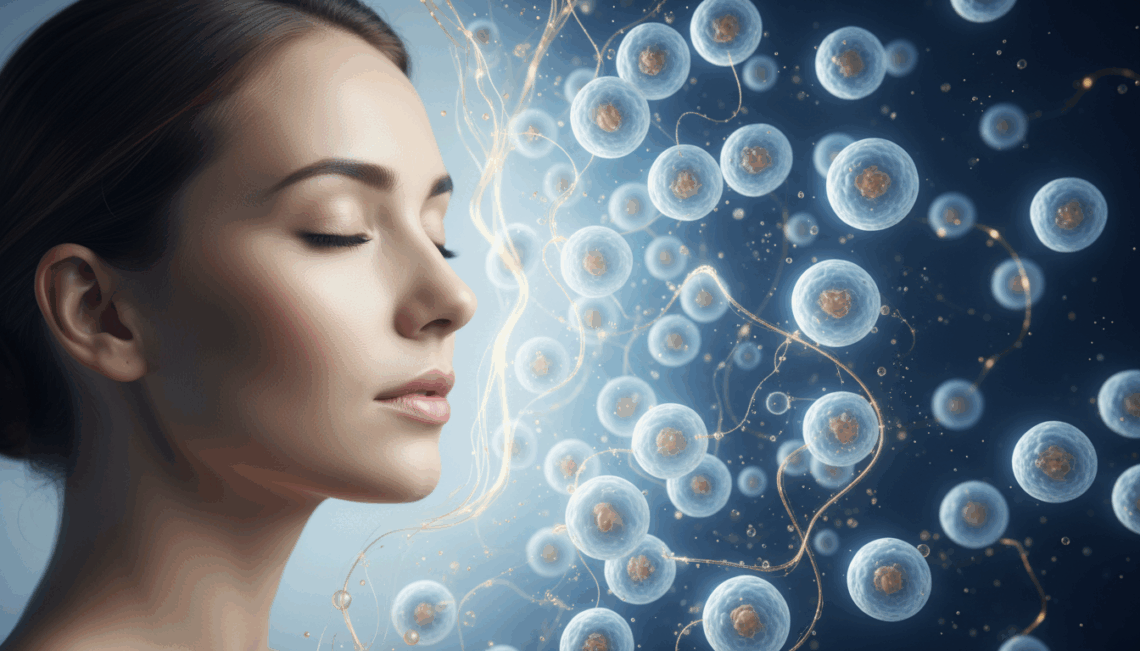
While the factors above are true, they are part of a larger, more intricate story. The latest scientific research is shifting focus to the health and behavior of our individual skin cells. What if the visible signs of aging are actually an external reflection of a cellular-level traffic jam? This is where we uncover a more profound root cause of skin aging.
Meet the “Zombie Cells”: A Hidden Factor
In the world of cellular biology, there’s a phenomenon known as cellular senescence. As cells age or sustain damage, they are supposed to self-destruct through a process called apoptosis to make way for new, healthy cells. However, some cells defy this process. They stop dividing but don’t die off. They linger, like zombies, in the tissue.
These “senescent cells” are not just harmlessly sitting there. They actively secrete a cocktail of inflammatory proteins that damage the surrounding healthy cells and degrade the extracellular matrix, which includes vital collagen and elastin. They create a toxic, pro-aging environment around them.

How Do These Cells Affect Your Skin’s Appearance?
The accumulation of these zombie cells is now considered a key driver of the aging process. Here’s how their actions translate to what you see in the mirror:
- Deepening Wrinkles: By constantly breaking down the collagen and elastin around them, they contribute directly to the loss of skin structure and firmness.
- Dull, Tired-Looking Skin: The inflammatory signals sent out by senescent cells can impair the skin’s natural renewal and repair processes, leading to a complexion that lacks radiance and vitality.
- Age Spots and Uneven Tone: Chronic inflammation can disrupt the normal function of melanocytes (pigment-producing cells), potentially contributing to hyperpigmentation.
- Reduced Resilience: A cellular environment compromised by these zombie cells means your skin is less capable of repairing itself from daily damage.
Can We Address the Root Cause of Skin Aging?
This new understanding is exciting because it opens the door to new strategies for skincare. Instead of just trying to patch up the damage on the surface, the focus is shifting towards maintaining a healthier, more functional cellular environment. The goal is to support the skin’s natural ability to clear out what’s not working and promote true renewal from within.
The Role of Antioxidants and Cellular Health
Antioxidants remain crucial. They are our primary defense against the free radical damage that can lead to cellular senescence in the first place. A diet rich in colorful fruits and vegetables and skincare containing ingredients like Vitamin C, Vitamin E, and Resveratrol are essential for protecting cells.
Emerging Approaches: Targeting Cellular Renewal
The most groundbreaking developments are centered on supporting the body’s natural housekeeping processes. The idea is not to introduce a foreign substance to “fix” a problem, but rather to provide key nutrients and botanical compounds that help the skin manage the burden of senescent cells and promote a more youthful cellular state.
Researchers are exploring unique compounds found in nature, from remote islands to deep forests, that have been used in traditional rituals for centuries. These botanicals are being studied for their potential to help protect against cellular stress and support the processes that keep our skin matrix looking firm and healthy.
A New Perspective on Youthful-Looking Skin
Understanding the cellular root cause of skin aging is empowering. It means we can move beyond a one-size-fits-all approach and start thinking about skin health from the inside out. It’s about creating an environment where our cells can function optimally, rather than just masking the symptoms of their decline.
This modern approach is precisely what inspires innovative products designed for this new era of skincare. One such product is Mitolyn, a serum developed based on the concept of supporting cellular health. It draws from Polynesian botanicals and is designed to work in harmony with your skin’s natural processes, addressing the factors that contribute to a tired, aged appearance right at the source. It represents a shift from temporarily plumping wrinkles to fundamentally nurturing the skin’s ecosystem for a more vibrant, youthful look.
Frequently Asked Questions About Skin Aging
Is it possible to completely stop the skin aging process?
No, aging is a natural biological process. The goal of advanced skincare and healthy living is not to stop aging, but to slow down the visible effects and maintain healthy, functional skin for as long as possible. It’s about looking your best at any age.
When should I start thinking about cellular aging?
While the visible signs may not appear until your 30s or 40s, the cellular processes begin in your mid-20s. The best approach is always preventive. Using sunscreen, eating a healthy diet, and managing stress are foundational steps you can take at any age.
Are expensive products always better?
Not necessarily. The effectiveness of a product depends on its formulation and whether it targets the right mechanisms for your concerns. It’s more important to understand the ingredients and the science behind a product than to focus solely on the price tag. Look for products that align with a modern, cellular-based understanding of skin health.
How long does it take to see results from a new skincare approach?
Skin cells take about 28 days to turn over, and this cycle slows as we age. When adopting a new approach that works on a cellular level, it’s important to be patient. Consistent use for at least 6-8 weeks is typically needed to begin seeing noticeable improvements in texture, firmness, and radiance.
Disclaimer: The information in this article is for educational purposes only. It is not intended to be a substitute for professional medical advice, diagnosis, or treatment. Always seek the advice of your physician or another qualified health provider with any questions you may have regarding a medical condition.