Tired of Constant Bloating? Here Are the Hidden Causes
That tight, swollen feeling in your abdomen. The discomfort that makes your favorite jeans feel like a torture device. The endless cycle of wondering, “What did I eat now?” If you’re dealing with constant stomach bloating, you know it’s more than just a minor inconvenience; it’s a frustrating, confidence-draining problem that can disrupt your entire life. While it’s easy to blame your last meal, the reality is often much more complex. Understanding the true causes of constant stomach bloating is the first and most critical step toward finding lasting relief.
Many people assume bloating is just a normal part of digestion, something to be endured. But persistent, daily bloating is your body’s way of sending a signal that something deeper is out of balance. It’s time to stop guessing and start understanding the underlying mechanisms that are turning your digestive system into a gas-producing factory.
In this article, we’ll move beyond the obvious culprits and dive into the root causes of chronic bloating, with a special focus on the one that is most often overlooked: the health of your gut microbiome.
What Exactly Is Bloating?
Before we explore the causes, let’s clarify what we’re talking about. Bloating is a sensation of increased pressure in your abdomen. It can be, but isn’t always, accompanied by visible distension, which is a measurable increase in your waist size. The primary driver of this pressure is trapped gas—mostly nitrogen, oxygen, carbon dioxide, hydrogen, and methane—in your gastrointestinal (GI) tract. The question isn’t whether gas is present, but why your body is producing an excessive amount or failing to expel it efficiently.
The Usual Suspects: Are These Your Triggers?
Let’s get the common culprits out of the way first. While these may not be the root cause for chronic bloating, they certainly contribute and are worth being mindful of.
- Swallowing Air: Eating too quickly, drinking through a straw, chewing gum, and even talking while eating can cause you to swallow excess air (aerophagia), which then gets trapped in your GI tract.
- Carbonated Beverages: Sodas, sparkling water, and other bubbly drinks release carbon dioxide gas directly into your stomach.
- Certain Foods: High-FODMAP foods (Fermentable Oligosaccharides, Disaccharides, Monosaccharides, and Polyols) are notorious for causing gas and bloating in sensitive individuals. These include things like beans, lentils, wheat, onions, garlic, and some fruits like apples and pears.
- Constipation: When you’re backed up, stool sits in your colon for longer, giving bacteria more time to ferment it, which produces more gas. This gas gets trapped behind the slow-moving stool, causing painful bloating.
If you’ve already adjusted these lifestyle factors and are still suffering, it’s a clear sign that a deeper issue is at play.
The Core Issue: An Unbalanced Gut Microbiome
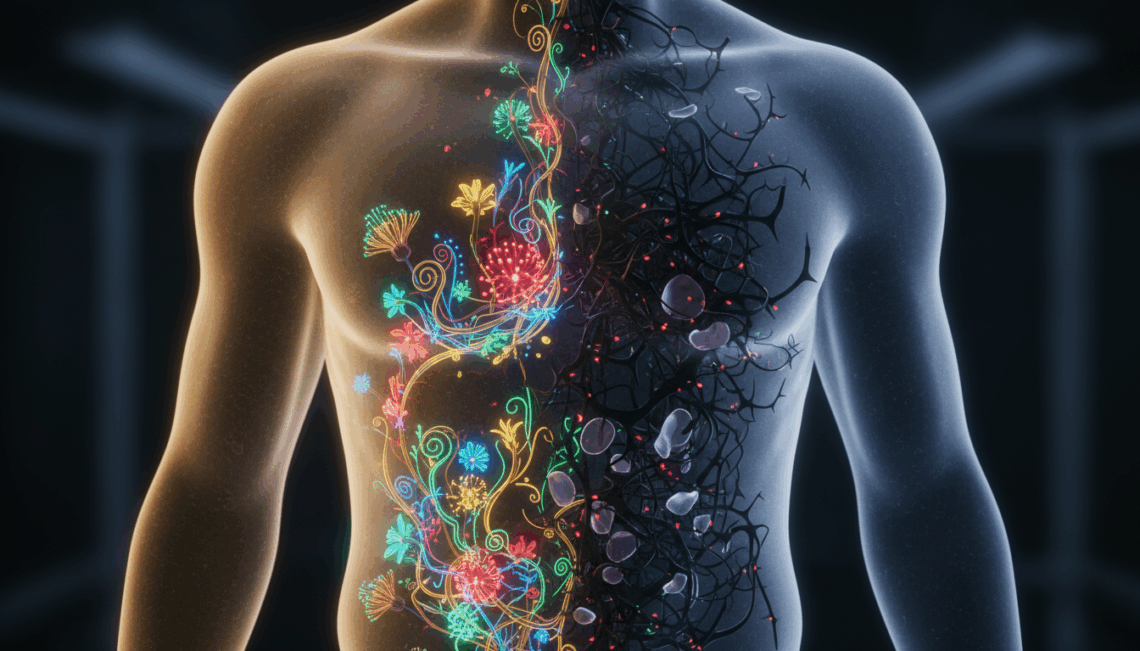
Imagine your gut as a bustling city populated by trillions of microorganisms, including bacteria, fungi, and viruses. This is your gut microbiome. In a healthy state, there’s a harmonious balance between beneficial (“good”) and pathogenic (“bad”) microbes. This balance is crucial for proper digestion, immune function, and even mental health.
The number one hidden cause of constant stomach bloating is a condition called dysbiosis, which is simply an imbalance in this delicate ecosystem. When the “bad” bacteria begin to outnumber the “good,” chaos ensues.
How Dysbiosis Causes Bloating
Harmful bacteria love to feed on undigested carbohydrates, sugars, and fibers. When they do, they ferment these foods in a way that produces excessive amounts of hydrogen and methane gas. This microbial fermentation is the engine driving your persistent bloating. The beneficial bacteria, on the other hand, perform fermentation in a much more controlled way that supports your health without producing a painful amount of gas.
This imbalance doesn’t just create gas. It can also lead to a compromised gut lining (often called “leaky gut”), inflammation, and poor nutrient absorption, creating a vicious cycle of digestive distress. Correcting this imbalance is often the key to resolving chronic bloating once and for all.

Other Deep-Rooted Causes of Bloating
Dysbiosis is often the central problem, but other factors can contribute to it or cause bloating on their own.
1. Chronic Stress and the Gut-Brain Axis
Your brain and your gut are in constant communication through the gut-brain axis. When you’re stressed, your body releases cortisol, a hormone that can slow down digestion and alter the composition of your gut bacteria. This can decrease motility (the movement of food through your gut), giving gas more time to build up, and contribute directly to dysbiosis.
2. Sluggish Digestion (Poor Motility)
Even without stress, some people naturally have slower digestion. When food sits in the digestive tract for too long, it provides a feast for gas-producing bacteria. Conditions like gastroparesis (delayed stomach emptying) are extreme examples, but even a generally sluggish system can be a major cause of bloating.
3. Hidden Food Sensitivities
We’re not just talking about full-blown allergies. You can have sensitivities to foods like gluten, dairy, or eggs that don’t cause an immediate allergic reaction but instead trigger a low-grade inflammatory response in your gut. This inflammation can disrupt digestion, damage the gut lining, and lead to chronic bloating and discomfort.
How to Restore Balance and Finally Find Relief
The good news is that you are not powerless. By addressing the root causes, you can reclaim your digestive health and say goodbye to constant bloating.
Start with Mindful Eating
Before you overhaul your diet, change how you eat. Slow down. Chew your food thoroughly to reduce swallowed air and aid digestion. Sit down to eat in a calm environment, away from screens. This simple change can have a surprisingly large impact.
Address Your Gut Microbiome
This is the most crucial step. Rebalancing your gut flora requires a two-pronged approach: removing the “bad guys” and repopulating with the “good guys.” You can start by reducing your intake of sugar and processed foods, which feed harmful bacteria.
However, for a system already in a state of dysbiosis, diet alone may not be enough to restore harmony. A targeted approach is often necessary. This is where a high-quality, multi-strain probiotic and prebiotic supplement can be incredibly effective. Probiotics directly introduce beneficial bacteria to your gut, while prebiotics act as food to help them thrive and multiply.
A comprehensive formula like PrimeBiome is designed specifically for this purpose. It combines clinically studied probiotic strains known to reduce gas and bloating, such as L. Acidophilus and B. Longum, with gut-soothing herbs like Marshmallow Root and Slippery Elm Bark. This approach not only helps rebalance the microbiome but also calms the inflammation and irritation that contributes to digestive discomfort. It addresses the problem from multiple angles, offering a strategic way to restore gut health.
Your Path Forward to a Calmer, Happier Gut
The constant battle with bloating is exhausting, but it doesn’t have to be your reality. By looking past the surface-level symptoms and focusing on the underlying causes of constant stomach bloating—especially the critical balance of your gut microbiome—you can create a real, sustainable change. It’s about shifting from simply avoiding trigger foods to actively healing and nurturing your digestive system from the inside out.
Taking a proactive step, such as incorporating a scientifically formulated gut-health supplement, can provide the targeted support your body needs to finally win the war against bloating and get back to feeling comfortable, confident, and in control.
Important Medical Disclaimer
The information provided in this article is for educational purposes only and should not be considered medical advice. Persistent and severe bloating can sometimes be a symptom of a more serious underlying medical condition. It is essential to consult with a qualified healthcare professional or a registered dietitian before beginning any new supplement regimen or making significant changes to your diet, especially if your symptoms are severe or accompanied by pain, weight loss, or changes in bowel habits.