
The Frustration of Doing Everything Right
You follow the advice. You cut down on sweets, choose salads over fries, and make time for exercise. Yet, every time you look in the mirror, you’re met with the same stubborn belly fat. To make matters worse, you’re constantly dealing with uncomfortable bloating that makes you feel heavy and sluggish. It’s a frustrating cycle, and it can make you feel like your own body is working against you. If you’re experiencing unexplained weight gain and bloating despite your best efforts, you’re not alone, and it’s not your fault.
The truth is, sometimes the root of the problem lies deeper than just calories in and calories out. It lives in a complex, bustling world inside you: your gut microbiome.
The Hidden Culprit: Understanding Your Gut Microbiome
Think of your gut as a thriving ecosystem populated by trillions of bacteria, both good and bad. In a healthy state, these bacteria live in harmony, helping you digest food, absorb nutrients, and even regulate your mood. However, factors like stress, processed foods, and certain medications can disrupt this delicate balance, allowing harmful bacteria to take over.
When this balance is thrown off, it creates a condition known as dysbiosis. This internal turmoil doesn’t just stay in your gut; it can have a ripple effect throughout your entire body, leading to a host of confusing and frustrating symptoms—most notably, that relentless bloating and a mysterious inability to lose weight.
What Are ‘Zombie Bacteria’ and How Do They Wreck Your Metabolism?
One of the biggest troublemakers in an unbalanced gut are endotoxins called Lipopolysaccharides (LPS). You can think of these as “zombie bacteria.” They are toxic compounds released from the cell walls of certain harmful bacteria. When these “zombie bacteria” multiply, they can start to damage your intestinal lining.
This damage allows LPS to leak from your gut into your bloodstream, triggering a body-wide inflammatory response. This is where the real trouble begins for your weight and overall health.
How LPS Leads to Stubborn Fat Storage
Once in your bloodstream, LPS signals your body to go into crisis mode. This constant, low-grade inflammation disrupts your metabolic hormones, essentially telling your body to stop burning fat and start storing it, especially around your abdomen. This visceral fat isn’t just a cosmetic concern; it’s metabolically active and can further fuel the cycle of inflammation. It’s why you can eat clean and still see the number on the scale refuse to budge.
The Connection to Constant Bloating and Discomfort
The overgrowth of these harmful bacteria in your gut leads to poor digestion and fermentation of the food you eat. This process produces excess gas, which is a primary cause of the painful and persistent bloating you might be experiencing. It’s that uncomfortable, tight feeling that can make even the healthiest meal feel like a mistake. This isn’t normal indigestion; it’s a sign that your internal ecosystem is in distress.
Why You Experience Overwhelming Cravings
Have you ever wondered why you suddenly have intense cravings for sugar and processed carbs, even when you’re not hungry? You can thank these “zombie bacteria.” Harmful gut bacteria thrive on sugar. To ensure their survival, they can actually send signals to your brain that hijack your cravings, demanding more of the sugary, processed foods they love. It’s a vicious cycle: the more you give in, the stronger they get, and the more out of balance your system becomes.
Restoring Balance: The Power of Probiotics for Gut Health
If an overgrowth of bad bacteria is the problem, then restoring the population of good bacteria is the solution. This is where probiotics come in. Probiotics are live, beneficial bacteria that help repopulate your gut and crowd out the harmful microbes. By re-establishing a healthy balance, you can begin to undo the damage caused by LPS.
A healthy gut environment, rich in beneficial bacteria, strengthens your intestinal wall, preventing toxins from leaking into your bloodstream. It improves digestion, reduces gas and bloating, and helps regulate your metabolism, signaling your body to start burning fat for energy again. However, not all probiotics are created equal.
Finding the Right Solution for Unexplained Weight Gain and Bloating
To effectively combat the issues caused by “zombie bacteria,” you need specific, powerful strains of probiotics that are clinically studied for their ability to support gut health and weight management. This is where a targeted formula can make a significant difference.
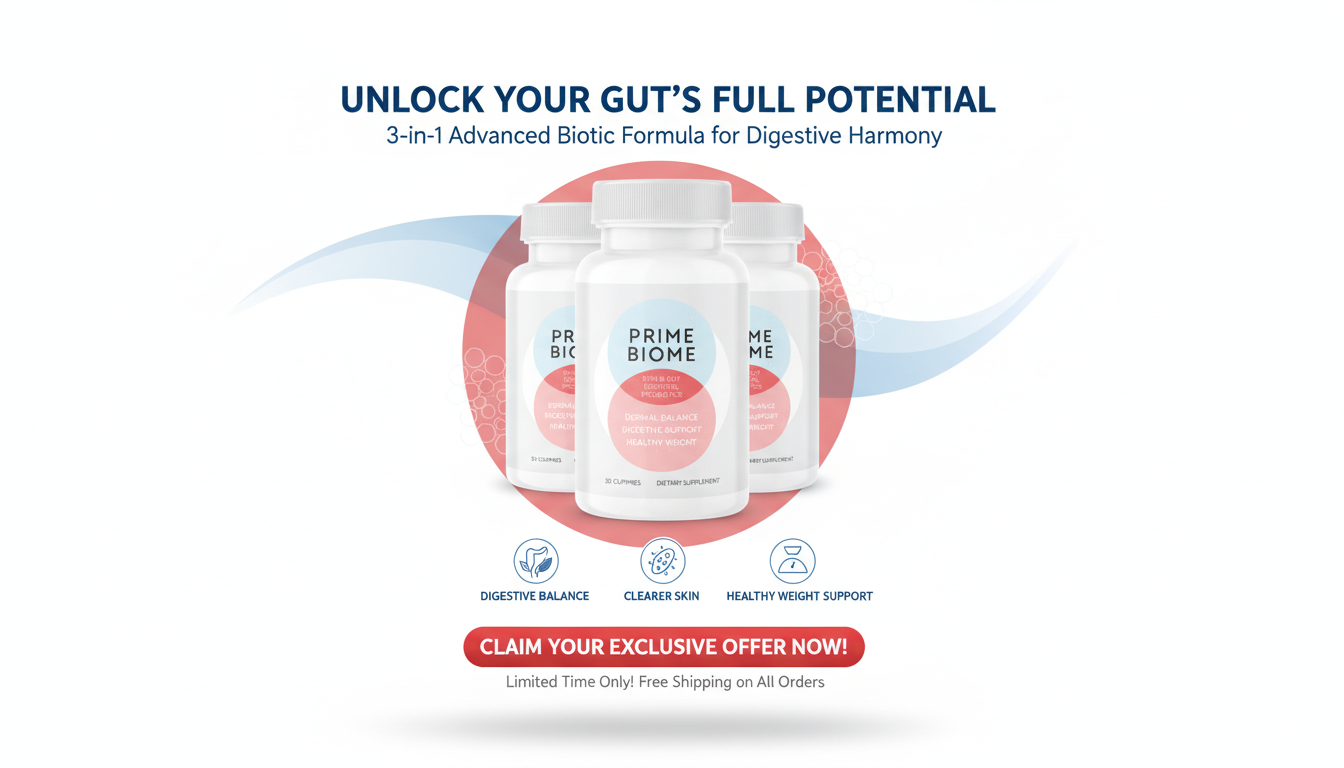
PrimeBiome is a supplement designed with this specific battle in mind. It focuses on delivering a potent blend of “gut slimming” bacteria that work to restore your internal ecosystem. The formula includes key strains like:
- Lactobacillus Gasseri: Extensively studied for its potential to reduce visceral belly fat and shrink waistlines.
- Lactobacillus Rhamnosus: Known for helping to curb cravings and support weight loss efforts, particularly in women.
- Lactobacillus Plantarum: A powerful strain that helps reduce bloating and improve digestive comfort.
- Bifidobacterium Lactis: Works to strengthen the gut barrier and reduce inflammation, tackling the root cause of the problem.
By introducing these highly effective strains, PrimeBiome helps to directly combat the LPS-releasing bacteria, calm inflammation, and restore the healthy gut function necessary for an efficient metabolism. It provides a strategic way to address the underlying cause of your unexplained weight gain and bloating, rather than just treating the symptoms.
Beyond Supplements: Lifestyle Tips to Support a Healthy Gut
While a targeted probiotic can be a powerful tool, supporting your gut health through daily habits can amplify your results. Here are a few simple tips to incorporate into your routine:
Eat a Fiber-Rich Diet
Beneficial gut bacteria love to feed on prebiotic fiber, which is found in foods like onions, garlic, bananas, asparagus, and whole grains. Including a variety of these foods in your diet provides the fuel your good bacteria need to thrive.
Stay Hydrated
Water is essential for maintaining the mucosal lining of your intestines and can help promote the balance of good bacteria in the gut. Aim for at least 8 glasses of water per day.
Manage Stress
Chronic stress can have a surprisingly negative impact on your gut microbiome. Practices like meditation, deep breathing, yoga, or even a quiet walk in nature can help lower stress levels and, in turn, support a healthier gut.
Get Enough Sleep
Quality sleep is crucial for all aspects of your health, including your gut. Strive for 7-9 hours of restful sleep per night to allow your body, and your digestive system, to rest and repair.
Your Path Forward to Feeling Better
The constant battle with unexplained weight gain and bloating can be incredibly disheartening, but understanding the crucial role of your gut health is the first step toward finding real relief. The problem isn’t a lack of willpower; it’s a biological imbalance that you have the power to change. By focusing on eliminating the “zombie bacteria” and repopulating your gut with beneficial allies, you can finally put an end to the frustrating cycle of inflammation, fat storage, and discomfort.
Taking control of your gut health is taking control of your overall well-being. It’s about creating an internal environment where your body can finally thrive, allowing you to feel lighter, more energetic, and more confident in your own skin.
Disclaimer
The information provided in this article is for educational purposes only and is not intended as a substitute for professional medical advice, diagnosis, or treatment. Always seek the advice of your physician or other qualified health provider with any questions you may have regarding a medical condition. Never disregard professional medical advice or delay in seeking it because of something you have read in this article. The use of any information provided is solely at your own risk.