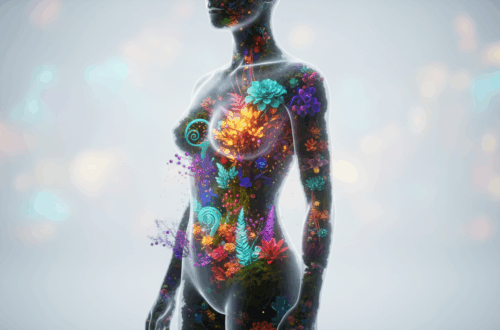

The Frustrating Cycle of Unexplained Weight Gain and Bloating
You’re doing everything right. You’ve cleaned up your diet, swapping processed foods for whole, nutritious meals. You’re consistent with your workouts, making time for both cardio and strength training. Yet, despite your best efforts, the number on the scale remains stubbornly high, and you’re constantly battling a frustrating and uncomfortable bloat. It feels like you’re fighting a losing battle, and the constant fatigue doesn’t help.
If this scenario sounds familiar, you’re not alone. Millions of people struggle with unexplained weight gain and bloating, feeling dismissed or misunderstood. They follow conventional advice to “eat less and move more” only to find it doesn’t work for them. This frustrating cycle can leave you feeling hopeless, wondering what you’re doing wrong. But what if the root of the problem isn’t about the calories you’re counting or the miles you’re running? What if the key to unlocking your health goals lies hidden deep within your body, in a complex ecosystem known as your gut?
Understanding Your Gut Microbiome: The Body’s “Second Brain”
Your gut is home to trillions of microorganisms, including bacteria, viruses, and fungi, collectively known as the gut microbiome. Think of it as a bustling internal garden. When this garden is in balance, with a diverse range of beneficial microbes, it works efficiently to support nearly every aspect of your health. It helps digest your food, synthesizes essential vitamins, regulates your immune system, and even influences your mood.
However, modern life can be tough on this delicate ecosystem. Factors like a diet high in processed foods, chronic stress, poor sleep, and even certain medications can disrupt this balance, a condition known as dysbiosis. When harmful bacteria begin to outnumber the beneficial ones, it can set off a chain reaction of issues that extend far beyond simple indigestion.
The Gut-Weight Link: Why an Unhappy Gut Holds Onto Fat
The connection between gut health and weight is one of the most exciting frontiers in medical research. We now understand that an imbalanced microbiome can directly contribute to unexplained weight gain and bloating in several ways:
- Increased Calorie Extraction: Certain types of gut bacteria are more efficient at extracting calories from the food you eat. An overgrowth of these “fat-storing” bacteria means you might be absorbing more calories from the exact same meal than someone with a healthier gut balance.
- Chronic Inflammation: An unhealthy gut can lead to a compromised gut lining. This allows inflammatory molecules to “leak” into your bloodstream, triggering low-grade chronic inflammation throughout your body. This inflammation is a major driver of insulin resistance, a condition where your body can’t use sugar for energy effectively, leading it to be stored as fat, particularly around the abdomen.
- Hormone Disruption: Your gut plays a crucial role in regulating hormones that control hunger and satiety, such as ghrelin (the “hunger hormone”) and leptin (the “fullness hormone”). When your gut is out of whack, so are these signals, leading to persistent cravings and difficulty feeling full.
This cascade of issues explains why you can feel puffy, tired, and unable to lose weight, no matter how disciplined you are. Your body is stuck in a state of inflammation and metabolic distress, all originating from your gut.

Beyond Bacteria: The Problem of “Gut Glue”
One of the key culprits in this gut-driven health crisis is a substance called Lipopolysaccharide, or LPS. LPS is a component of the outer membrane of certain harmful bacteria in your gut. When these bacteria die, they release LPS into your system. In a healthy gut with a strong intestinal wall, this isn’t a major issue.
But when the gut lining is compromised—a condition often referred to as “leaky gut”—these LPS toxins can pass into your bloodstream. Once in circulation, your immune system identifies them as foreign invaders, launching a powerful inflammatory response. Scientists sometimes refer to the effects of this leakage as a “slimy gut glue” that gums up your system, slowing down your metabolism and contributing to that feeling of sluggishness, brain fog, and persistent bloating. This systemic inflammation is a primary reason for stubborn weight that resists diet and exercise.
How to Restore Balance and Support Your Gut Lining
The good news is that you have the power to improve your gut health. Restoring balance to your internal ecosystem is the first step toward addressing the root cause of your symptoms. This involves a two-pronged approach: nourishing the good microbes and strengthening your gut barrier.
1. Feed the Good Guys with Prebiotics
Prebiotics are types of dietary fiber that your body can’t digest but your beneficial gut bacteria love to eat. They act as fertilizer for your internal garden. You can find them in foods like garlic, onions, asparagus, bananas, and whole grains. Sunfiber® is a well-researched, water-soluble fiber known for being gentle on the stomach while effectively nourishing beneficial bacteria.
2. Manage Stress Levels
The gut and brain are in constant communication via the gut-brain axis. Chronic stress can negatively impact gut health by reducing blood flow to the digestive system and altering bacterial composition. Incorporating stress-management techniques like meditation, deep breathing, or yoga can have a surprisingly powerful and positive effect on your digestion.
3. Prioritize Quality Sleep
Sleep is when your body undergoes critical repair processes, and that includes your gut. A lack of quality sleep has been shown to negatively alter the microbiome. Aiming for 7-9 hours of restful sleep per night is essential for gut health and overall metabolic function.
4. Consider a Modern Solution: Postbiotics
While probiotics (live beneficial bacteria) and prebiotics (food for bacteria) are well-known, the new frontier in gut health is postbiotics. Postbiotics are the beneficial compounds that are produced by probiotics when they ferment prebiotics. These are the “end products” that are directly responsible for many of the health benefits attributed to a good gut.
One of the most important postbiotics is butyrate. Butyrate is the primary fuel source for the cells that line your intestines, helping to keep the gut wall strong and tight. A stronger barrier means fewer LPS toxins can leak into your bloodstream. Tributyrin is a highly effective form of butyrate that is designed to travel through the digestive system and deliver its benefits directly to the colon.
A Targeted Approach for Gut-Related Weight Issues
Making lifestyle and diet changes is the foundation of improving gut health. However, for those who feel stuck in the cycle of unexplained weight gain and bloating, a more targeted approach may provide the support they need. When your system is already overwhelmed by “gut glue” and inflammation, re-establishing balance can be challenging.
This is where specifically formulated supplements can play a role. A formula like PrimeBiome is designed with this modern understanding of gut health in mind. It moves beyond basic probiotics to provide a comprehensive solution that includes a powerful postbiotic (Tributyrin) to directly nourish the gut lining, a proven prebiotic (Sunfiber®) to feed beneficial bacteria, and specific probiotic strains chosen for their ability to combat the effects of LPS and support a healthy metabolism. It’s a multi-faceted approach designed to help break the inflammatory cycle and support the body’s natural ability to achieve a healthy weight.
In conclusion, if your weight loss efforts have stalled and you constantly feel bloated and tired, it’s time to look beyond the mirror and focus on your gut. By understanding the profound connection between your microbiome and your metabolism, you can finally address the root cause of your struggles. Nurturing your gut health is not just about digestion; it’s about reclaiming your energy, clarity, and confidence.
Disclaimer: The information provided in this article is for educational purposes only and is not intended as a substitute for professional medical advice, diagnosis, or treatment. Always seek the advice of your physician or other qualified health provider with any questions you may have regarding a medical condition. Do not disregard professional medical advice or delay in seeking it because of something you have read here.