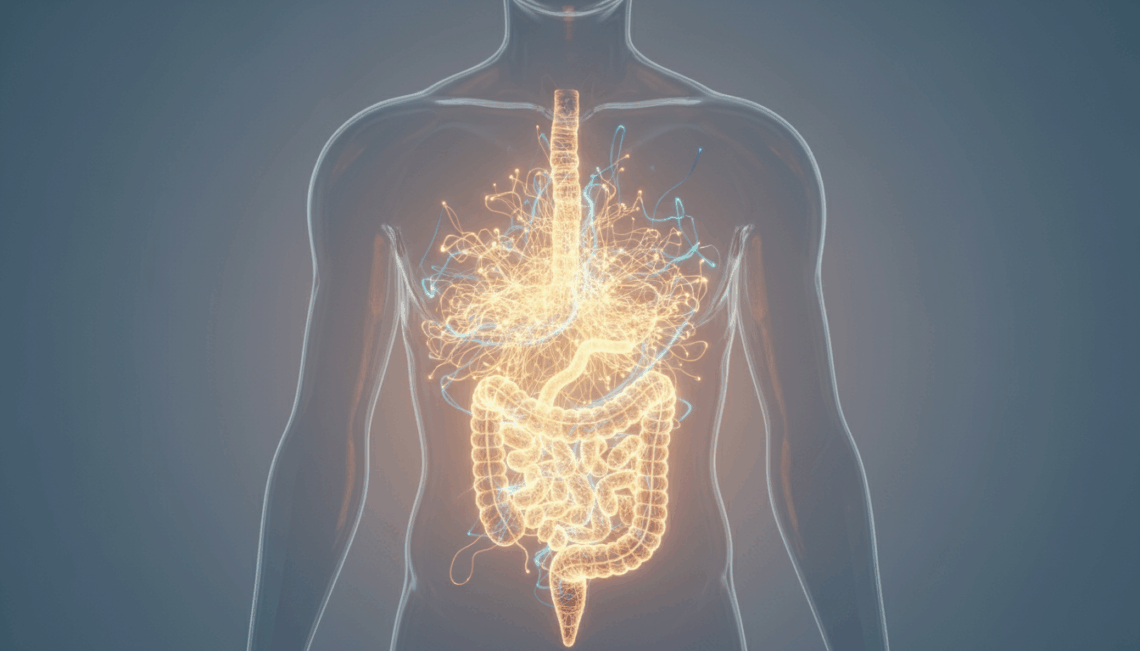
It’s a frustratingly common scenario: you’re trying to do everything right. You’re eating cleaner, staying active, and getting enough sleep, yet the scale won’t budge. To make matters worse, you’re dealing with constant discomfort, gas, and a bloated feeling that just won’t go away. If you’re facing unexplained weight gain and bloating, it’s easy to feel like you’re fighting a losing battle. But what if the root of the problem isn’t on your plate or in your workout routine, but deep within your gut?
Emerging science is shedding light on the powerful role the gut microbiome—the trillions of bacteria living in your digestive tract—plays in everything from metabolism and mood to immune function and, yes, weight management. When this delicate ecosystem is out of balance, it can trigger a cascade of issues that manifest as the very symptoms you’re struggling with. This article will explore the critical link between your gut health and those stubborn pounds and persistent bloating, helping you understand the underlying causes and discover a path toward lasting relief.
What Are the Signs of an Unhealthy Gut?
While weight gain and bloating are two of the most noticeable signs, an imbalanced gut can send distress signals throughout your body. Recognizing these signs is the first step toward addressing the core issue.
- Digestive Discomfort: Beyond bloating, this includes frequent gas, constipation, diarrhea, and heartburn. These are direct indications that your digestive system is struggling to process food efficiently.
- Constant Fatigue: If you feel tired all the time, even after a full night’s sleep, your gut could be to blame. An unhealthy gut can impair nutrient absorption and is linked to sleep disturbances.
- Skin Irritation: Conditions like eczema, acne, and psoriasis have been linked to gut inflammation. The gut-skin axis shows that inflammation in the digestive tract can often appear on your skin.
- Food Cravings: An overgrowth of “bad” gut bacteria can lead to intense cravings for sugar and processed foods, as these are their preferred fuel sources. This can create a vicious cycle that further disrupts gut balance.
- Mood Fluctuations: The gut is often called the “second brain” for a reason. A significant portion of your body’s serotonin, a key mood-regulating neurotransmitter, is produced in the gut. Imbalances can contribute to anxiety and mood swings.
The Link Between Gut Health, Unexplained Weight Gain, and Bloating
So, how exactly does a troubled gut lead to a bloated belly and a rising number on the scale? The connection is multifaceted and rooted in how your microbiome influences your body’s core functions.
First, an imbalance in gut bacteria, known as dysbiosis, can directly impact how your body extracts calories from food and stores fat. Certain types of “bad” bacteria are more efficient at harvesting energy from your diet, meaning you may be absorbing more calories from the same foods than someone with a healthier gut. This can lead to gradual, unexplained weight gain and bloating even without significant changes to your diet.
Second, chronic inflammation is a major factor. An unhealthy gut lining can become permeable, a condition often referred to as “leaky gut.” This allows toxins and undigested food particles to enter the bloodstream, triggering a system-wide inflammatory response. Chronic inflammation is closely linked to insulin resistance, a condition where your body’s cells don’t respond properly to insulin, leading to increased fat storage, particularly around the abdomen.
Understanding Leaky Gut Syndrome
Leaky Gut Syndrome is central to understanding the problem. Imagine your gut lining as a tightly woven net that only allows specific, fully digested nutrients to pass through. In leaky gut, the “holes” in this net become larger. This breach in defense not only causes inflammation but also contributes significantly to bloating as your body reacts to the “invaders” in your bloodstream. It creates a state of constant internal stress that makes weight loss incredibly difficult.

Prebiotics, Probiotics, and Postbiotics: What’s the Difference?
When people talk about improving gut health, you often hear about prebiotics and probiotics. While both are important, there’s a third, lesser-known component that could be the missing piece of the puzzle: postbiotics.
- Prebiotics: These are types of dietary fiber that feed the good bacteria in your gut. Think of them as fertilizer for your internal garden. You can find them in foods like garlic, onions, and bananas.
- Probiotics: These are the live “good” bacteria themselves. You can get them from fermented foods like yogurt, kefir, and sauerkraut, or from supplements. They help replenish the colonies of beneficial microbes.
- Postbiotics: This is the game-changer. Postbiotics are the beneficial compounds that are produced by probiotics when they consume prebiotics. They are the “end product” of the fermentation process and include things like short-chain fatty acids (like butyrate), enzymes, and other metabolites. These compounds are directly responsible for many of the gut’s health benefits, such as strengthening the gut lining, reducing inflammation, and supporting the immune system.
The advantage of focusing on postbiotics is that they provide the beneficial outputs directly, bypassing the need for the gut to produce them. This can be especially helpful for individuals whose gut environment is too compromised to effectively utilize prebiotics and probiotics.
How to Naturally Improve Your Gut Health
Before considering any supplement, it’s crucial to build a strong foundation with lifestyle and diet. These habits create an environment where a healthy gut can thrive.
1. Diversify Your Diet
A wide variety of plant-based foods is key. Different types of fiber feed different strains of beneficial bacteria. Aim for 30+ different plant foods per week, including fruits, vegetables, nuts, seeds, and whole grains.
2. Incorporate Fermented Foods
Foods like kimchi, kombucha, and unsweetened yogurt are natural sources of probiotics. Integrating them into your diet can help introduce beneficial bacteria into your system.
3. Manage Stress
Chronic stress can wreak havoc on your gut microbiome. Practices like meditation, deep breathing exercises, yoga, and spending time in nature can have a profound positive impact on your gut-brain axis.
4. Prioritize Sleep
Poor sleep quality can negatively alter your gut flora. Aim for 7-9 hours of consistent, high-quality sleep per night to allow your body, including your gut, to rest and repair.
Supporting Your Gut: The Role of Advanced Supplements
For many, diet and lifestyle changes alone may not be enough to overcome years of gut imbalance, especially when dealing with stubborn issues like unexplained weight gain and bloating. The modern diet, environmental toxins, and stress can make it difficult for the gut to heal on its own. This is where a targeted supplement can provide crucial support.
While probiotics have been the go-to for years, the focus is now shifting toward the power of postbiotics. By delivering the beneficial compounds directly, a postbiotic supplement can help fortify the gut lining, calm inflammation, and restore balance more efficiently.
Introducing PrimeBiome: A Modern Approach to Gut Wellness
PrimeBiome is a supplement designed around this advanced understanding of gut health. It focuses on delivering a powerful blend of tributyrate, a highly bioavailable form of the crucial short-chain fatty acid butyrate. Butyrate is a cornerstone postbiotic known for being the primary fuel source for the cells that line your colon.
By directly nourishing the gut lining, PrimeBiome helps to:
- Strengthen the Gut Barrier: This helps combat the effects of leaky gut, reducing the inflammatory triggers that lead to bloating and weight gain.
- Reduce Cravings: A healthier gut is better at regulating hunger hormones and reducing cravings for unhealthy foods.
- Support Healthy Digestion: By calming the system and nourishing the gut lining, it aids in smoother, more comfortable digestion.
Instead of just adding more bacteria (probiotics) or feeding them (prebiotics), PrimeBiome provides the proven, active compound your gut needs to begin its healing process. It’s a targeted approach designed to address the root causes of digestive distress and metabolic issues.
Conclusion: Taking Control of Your Health
Feeling stuck with unexplained weight gain and bloating is a valid and deeply frustrating experience. However, understanding the profound connection to your gut health opens up a new and hopeful path forward. By focusing on nourishing your microbiome through a diverse diet, managing stress, and prioritizing sleep, you can lay the groundwork for lasting change. For those who need extra support, a modern postbiotic supplement like PrimeBiome can provide the targeted ingredients necessary to help reinforce your gut lining, calm inflammation, and finally put you back in control of your health and well-being. As always, it is wise to consult with a healthcare professional before beginning any new supplement regimen.