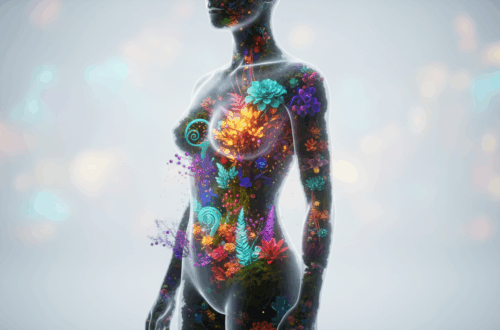

Have you tried every cream, serum, and topical treatment available, only to see your skin issues persist? Whether it’s stubborn acne, frustrating eczema, or persistent redness, the feeling of doing everything right on the outside without seeing results can be incredibly disheartening. If this sounds familiar, the answer might not be in your medicine cabinet, but deep within your body. The emerging science behind the gut health and skin connection reveals a profound relationship between your digestive system and the clarity of your complexion.
What Exactly Is the Gut-Skin Axis?
The Gut-Skin Axis is the term scientists use to describe the constant, two-way communication between your gut and your skin. Think of it as a superhighway where information, nutrients, and signals travel back and forth. Your gut is home to trillions of microorganisms—bacteria, fungi, and viruses—collectively known as the gut microbiome. When this internal ecosystem is balanced and healthy, it supports everything from digestion to your immune system. However, when it’s out of balance (a state called dysbiosis), it can send inflammatory signals throughout your body, and your skin is often one of the first places these problems become visible.
Leaky Gut: The Hidden Culprit Behind Skin Issues?
One of the most significant ways gut problems manifest on the skin is through a condition known as increased intestinal permeability, or “leaky gut.” The lining of your intestines is a powerful barrier, designed to let nutrients pass into your bloodstream while keeping toxins, undigested food particles, and harmful bacteria out. Factors like a poor diet, chronic stress, and certain medications can damage this lining, creating tiny gaps.
When the gut becomes “leaky,” these unwanted particles can escape into your bloodstream. Your immune system identifies them as foreign invaders and launches an inflammatory attack. This chronic, low-grade inflammation doesn’t just stay in one place; it travels throughout your body and can trigger or worsen inflammatory skin conditions.
How Inflammation in the Gut Shows Up On Your Skin
The inflammation originating in your gut can manifest in several ways on your skin’s surface:
- Acne: Studies have shown a strong link between gut dysbiosis and acne. Inflammation can increase the production of sebum (skin oil), which clogs pores and creates a breeding ground for acne-causing bacteria.
- Eczema (Atopic Dermatitis): Many people with eczema are found to have a less diverse gut microbiome and a compromised gut barrier. The systemic inflammation can trigger the dry, itchy, and inflamed patches characteristic of eczema.
- Rosacea: This condition, marked by redness and visible blood vessels, is also closely tied to gut health. A significant number of rosacea patients have been diagnosed with Small Intestinal Bacterial Overgrowth (SIBO), a condition where bacteria from the large intestine overgrow in the small intestine.
- Premature Aging: Chronic inflammation can break down collagen and elastin, the proteins that keep your skin firm and youthful. This can accelerate the appearance of fine lines and wrinkles.
Signs Your Gut Health Might Be Affecting Your Skin
How can you tell if your skin problems are rooted in your gut? Look for connections and patterns. Do your skin flare-ups coincide with digestive issues? Here are a few signs to watch for:
- You experience both skin issues (acne, rashes, redness) and digestive discomfort (bloating, gas, constipation, or diarrhea).
- Your skin gets worse after eating certain foods, particularly sugar, dairy, or processed items.
- You have been under a lot of stress, which is a known disruptor of gut health.
- Topical treatments provide little to no lasting relief for your skin concerns.
If you’re nodding your head in agreement, focusing on your internal health could be the missing piece of your skincare puzzle. Addressing the root cause is often far more effective than just treating the symptoms.

How to Improve Your Gut Health for Better Skin
Improving your gut health is a holistic process that involves more than just one simple fix. It’s about creating a lifestyle that supports a thriving internal ecosystem. By focusing on healing your gut, you can calm inflammation and potentially see remarkable improvements in your skin’s health and appearance.
Start with Your Diet
What you eat is the most direct way to influence your gut microbiome. Focus on a diet rich in whole, unprocessed foods.
- Eat more fiber: Fiber feeds the beneficial bacteria in your gut. Aim for a variety of fruits, vegetables, legumes, and whole grains.
- Incorporate fermented foods: Foods like yogurt, kefir, kimchi, and sauerkraut are natural sources of probiotics, which are live beneficial bacteria.
- Limit sugar and processed foods: A diet high in sugar and refined carbohydrates can feed harmful bacteria, promoting dysbiosis and inflammation.
Manage Stress Levels
Your brain and gut are directly connected through the vagus nerve. When you’re stressed, your body releases cortisol, a hormone that can negatively impact your gut lining and microbiome. Finding healthy ways to manage stress, such as mindfulness, meditation, yoga, or even just taking a walk in nature, can have a surprisingly positive effect on both your digestion and your skin.
Consider Targeted Support with Probiotics
While diet is foundational, sometimes your gut needs extra support to get back in balance. This is where a targeted probiotic supplement can be incredibly beneficial. The goal of a probiotic is to reintroduce specific strains of good bacteria to help restore balance, strengthen the gut lining, and reduce inflammation. For those exploring the gut health and skin connection, choosing a supplement designed for this purpose is key.
A Closer Look at Probiotics for the Gut-Skin Axis
Not all probiotics are created equal. Different strains of bacteria have different jobs in the body. For skin health, you want to look for specific strains that have been researched for their ability to support the gut barrier and modulate the immune system. That’s why many people are turning to specialized formulas designed to address the gut-skin axis directly.
A formula like PrimeBiome is crafted with this connection in mind. It includes specific, clinically studied probiotic strains such as Lactobacillus Rhamnosus and Lactobacillus Acidophilus, which are known to help fortify the gut lining and support a healthy inflammatory response. By providing a high-potency dose of these beneficial bacteria, it aims to address the root cause of skin issues—the imbalance within the gut.
Instead of just managing symptoms on the surface, this approach works from the inside out to create an environment of balance. By helping to seal a “leaky gut” and repopulating your microbiome with healthy bacteria, you can reduce the systemic inflammation that triggers flare-ups, leading to calmer, clearer, and healthier-looking skin over time.
Your Path to Clearer Skin Starts Within
The journey to healthy skin is deeply personal, but understanding the crucial role your gut plays can be a game-changer. By shifting your focus from solely external treatments to a holistic approach that nurtures your internal health, you empower yourself to create lasting change. The gut health and skin connection is not just a theory; it’s a fundamental aspect of your body’s biology. By supporting your gut through diet, stress management, and targeted supplementation, you are not just investing in better digestion—you are paving the way for the radiant, clear skin you deserve.
Before starting any new supplement regimen, it is always recommended to consult with a healthcare professional to ensure it is the right choice for your individual needs.
Frequently Asked Questions (FAQ)
How long does it take to see skin improvements after improving gut health?
Results can vary greatly from person to person. Some people may notice improvements in a few weeks, while for others it might take a few months of consistent effort. Patience is key, as you are addressing the root cause, which takes time to heal.
Can I get enough probiotics from food alone?
While a diet rich in fermented foods is excellent for maintaining gut health, a targeted supplement can provide a more concentrated and specific dose of beneficial strains that may be difficult to obtain from food alone, especially when trying to correct a significant imbalance.
Is this approach suitable for all types of skin problems?
The gut-skin axis has been linked to a variety of inflammatory skin conditions, including acne, eczema, and rosacea. While improving gut health can be beneficial for many, it’s important to remember that skin issues can be complex and may have multiple contributing factors.