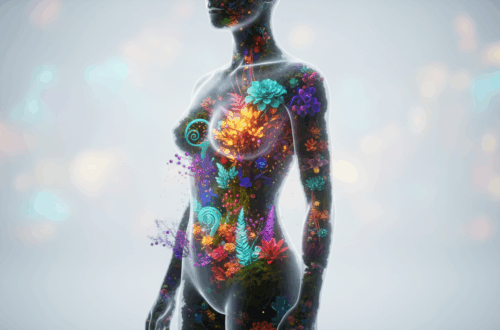

Have you ever felt like you’re fighting a battle on two fronts? On one side, you’re dealing with persistent skin issues—acne, redness, or a dull complexion that no cream seems to fix. On the other, you’re struggling with digestive discomfort like bloating, gas, or irregularity. If this sounds familiar, you’re not alone, and it’s not a coincidence. The root of these seemingly separate problems might lie in a fascinating and powerful relationship within your body: the gut health and skin connection.
For decades, we’ve treated skin problems as an external issue, applying topical solutions while ignoring what’s happening inside. But emerging science is revealing that the health of our gut microbiome—the trillions of bacteria living in our digestive tract—has a direct and profound impact on the health and appearance of our skin. Understanding this link is the first step toward achieving lasting skin clarity and overall wellness from the inside out.
What Exactly Is the Gut-Skin Axis?
The “gut-skin axis” is the scientific term for the constant, two-way communication between your gut and your skin. Think of it as a superhighway where information travels back and forth, influencing inflammation, hormonal balance, and immune responses. When your gut is healthy and balanced, it sends signals that promote strong, resilient, and clear skin.
However, when the gut microbiome is out of balance—a condition known as dysbiosis—it can trigger a cascade of problems. Harmful bacteria can outnumber the beneficial ones, leading to a weakened gut lining. This sets the stage for issues that eventually show up on your face and body.
How an Unhealthy Gut Affects Your Skin
An imbalanced gut can harm your skin through several key mechanisms. Understanding them helps clarify why simply changing your face wash might not be enough.
Leaky Gut and Systemic Inflammation
One of the most significant issues is intestinal permeability, commonly known as “leaky gut.” In a healthy gut, the intestinal lining acts as a tight barrier, controlling what gets absorbed into the bloodstream. When this barrier is compromised, undigested food particles, toxins, and bacteria can “leak” through.
Your immune system identifies these escapees as foreign invaders and launches a full-blown inflammatory response. This systemic inflammation doesn’t just stay in one place; it travels throughout your body and can manifest in various ways, including on your skin as acne, eczema, rosacea, or general redness.
Microbiome Imbalance and Skin Conditions
The specific balance of bacteria in your gut matters. Studies have shown that people with conditions like acne and psoriasis often have a less diverse gut microbiome compared to people with clear skin. When harmful bacteria dominate, they can produce inflammatory byproducts that disrupt skin function, leading to clogged pores, increased oil production, and a weakened skin barrier.
Signs Your Gut Is Impacting Your Skin
How can you tell if your skin troubles are connected to your gut? While it’s always best to consult a healthcare professional for a proper diagnosis, here are some common signs that point to an imbalanced gut-skin axis:
- Chronic Acne or Rosacea: Persistent inflammatory skin conditions that don’t respond well to topical treatments.
- Digestive Distress: Frequent bloating, gas, constipation, or diarrhea that occurs alongside your skin flare-ups.
- Food Sensitivities: Noticing that eating certain foods (like dairy, gluten, or sugar) makes both your skin and your stomach feel worse.
- Dull, Lifeless Skin: Poor nutrient absorption in the gut means your skin isn’t getting the vitamins and minerals it needs to thrive, leading to a lackluster appearance.
How to Improve the Gut Health and Skin Connection
The good news is that you have the power to support this vital connection. Building a healthy gut is a journey that involves mindful choices, but the payoff—for both your digestion and your complexion—is enormous.
Focus on a Fiber-Rich Diet
Prebiotic fiber is the food that fuels your good gut bacteria. Incorporate a wide variety of plant-based foods into your diet, such as leafy greens, asparagus, onions, garlic, bananas, and whole grains. A diverse diet leads to a diverse and resilient microbiome.
Incorporate Probiotic and Prebiotic Foods
Probiotics are live beneficial bacteria, while prebiotics are the fuel for them. Foods like yogurt, kefir, sauerkraut, and kimchi are rich in probiotics. These help replenish the good bacteria in your gut, restoring balance and strengthening the gut lining.
Manage Stress Levels
Chronic stress can wreak havoc on your gut health. It can decrease healthy bacteria and increase inflammation. Practices like meditation, yoga, deep breathing exercises, or even a simple walk in nature can significantly reduce stress and, in turn, support a healthier gut-skin axis.
The Role of Postbiotics: A Breakthrough for Gut and Skin Health
While prebiotics and probiotics are well-known, there’s a third, crucial component to gut health: postbiotics. Postbiotics are the beneficial compounds produced by probiotics when they ferment prebiotic fiber. In essence, they are the “end product” that delivers many of the health benefits associated with a healthy gut.
One of the most important postbiotics is butyrate. This short-chain fatty acid is the primary fuel source for the cells that line your colon. It helps maintain a strong gut barrier, reduces inflammation, and directly supports the gut-skin axis. The problem is, many people don’t produce enough butyrate due to diet, stress, or microbiome imbalances. This is where a targeted approach can make a significant difference.
A Targeted Approach to Restoring Your Gut-Skin Balance
While diet and lifestyle changes are fundamental, sometimes your body needs extra support to restore balance. This is particularly true when dealing with a compromised gut lining and systemic inflammation. A comprehensive supplement can provide the specific building blocks needed to heal the gut and, consequently, calm the skin.
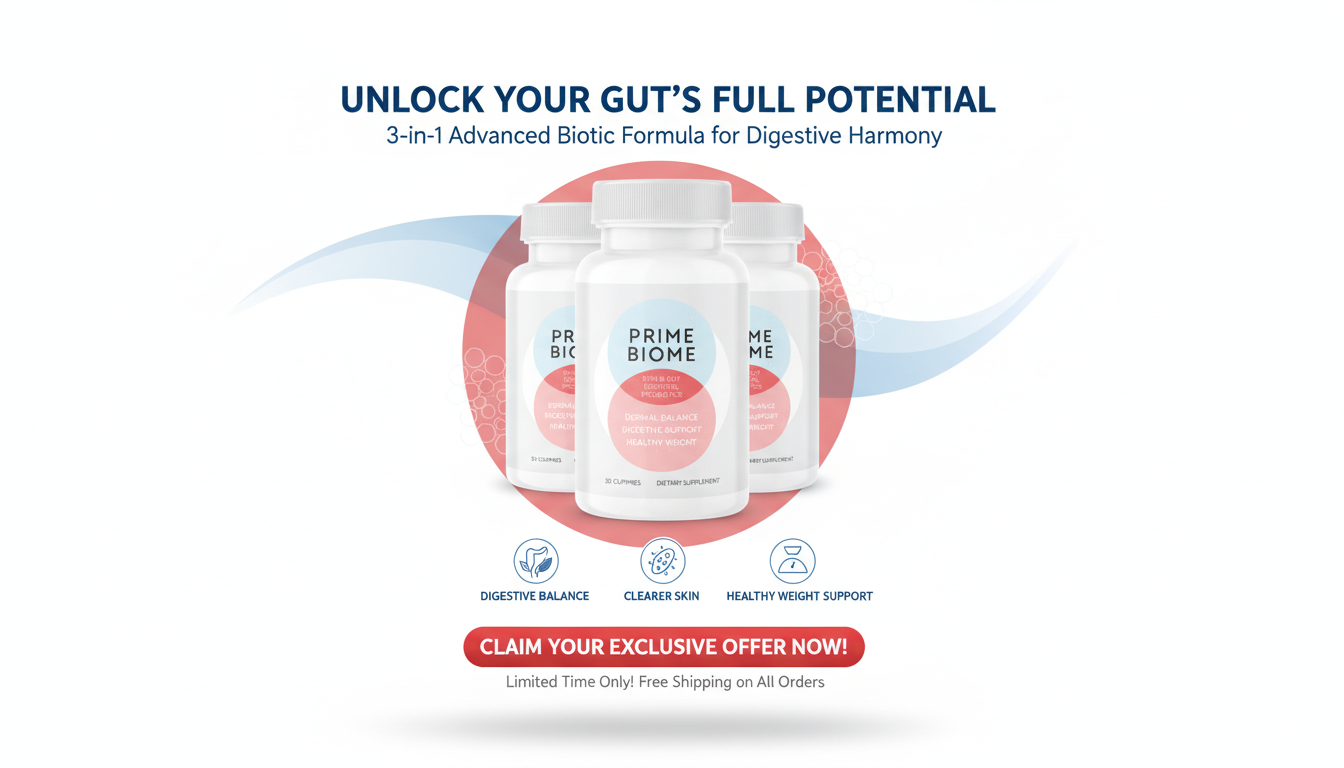
For this reason, products like PrimeBiome have been developed. It’s designed specifically to address the gut-skin axis by providing a powerful combination of prebiotics, probiotics, and, most importantly, a cutting-edge form of the postbiotic butyrate called Tributyrin. This unique formula doesn’t just add good bacteria; it nourishes the gut lining directly, helping to seal a “leaky gut” and reduce the inflammation that drives skin problems.
Why Choose a Multi-Faceted Supplement?
A formula that combines all three “biotics” offers a synergistic effect. The prebiotics (like Sunfiber®) feed the beneficial bacteria, the probiotics (like L. Acidophilus and B. Lactis) replenish the microbiome, and the postbiotic (Tributyrin) gets straight to work healing the gut lining and calming inflammation. This multi-pronged strategy provides a more complete and effective solution for improving the gut health and skin connection.
Your Path to Radiant Skin and a Happy Gut
True skin health isn’t just skin deep. It’s a reflection of your internal well-being. By focusing on nourishing your gut, you’re addressing the potential root cause of your skin and digestive woes, not just masking the symptoms. Embracing the gut health and skin connection is a holistic approach that honors the intricate way your body works, paving the way for lasting clarity, comfort, and confidence.
Remember to be patient and consistent. Healing your gut and seeing the results on your skin takes time, but it’s a worthwhile investment in your long-term health. Always consult with a healthcare provider before starting any new supplement regimen to ensure it’s the right choice for you.
Frequently Asked Questions (FAQ)
How long does it take to see skin improvements after focusing on gut health?
It varies for everyone. Some people may notice changes in a few weeks, while for others, it might take two to three months of consistent effort. The key is to stick with positive diet and lifestyle changes to allow your gut microbiome and skin to heal and rebalance.
Can I improve my gut health through diet alone?
A healthy diet is the cornerstone of gut health. However, if you have significant dysbiosis or a leaky gut, a targeted supplement containing prebiotics, probiotics, and postbiotics can provide concentrated support to accelerate the healing process.
Is the gut-skin connection relevant for anti-aging?
Absolutely. Systemic inflammation, which often starts in the gut, is a major driver of premature aging as it can break down collagen and elastin. By supporting a healthy gut, you reduce inflammation, which can help protect your skin’s youthful structure and appearance.