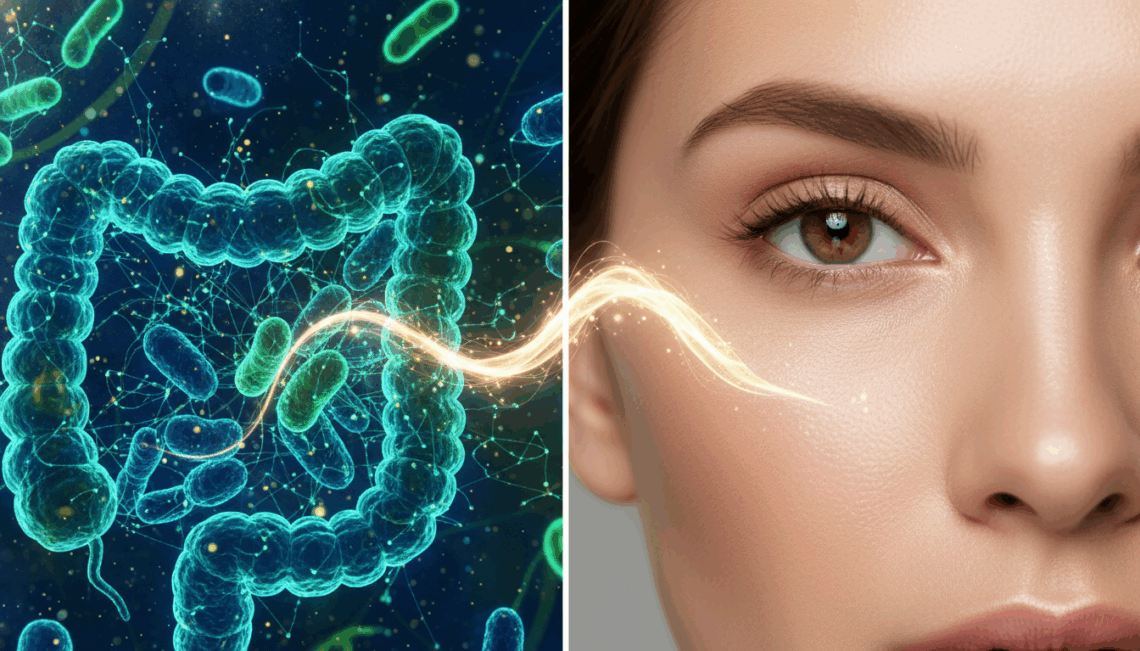
If you’ve tried every cream, serum, and facial to manage persistent skin issues like acne, rosacea, or dullness, the answer might not be in your medicine cabinet. It might be in your gut. The frustration of dealing with a complexion that just won’t cooperate is real, but what if the root cause is an internal imbalance? There is a profound and scientifically-backed link between gut health and skin, an invisible connection that dictates much of how our skin looks and feels.
Understanding this connection, often called the gut-skin axis, is the first step toward achieving the clear, radiant skin you’ve been working so hard for. It’s about shifting focus from treating symptoms on the surface to healing the core of the problem from within.
What Exactly Is the Gut-Skin Axis?
The gut-skin axis refers to the constant, two-way communication between your gastrointestinal tract and your skin. Think of it as a highway of information. Your gut is home to trillions of microorganisms, including bacteria, fungi, and viruses, collectively known as the gut microbiome. When this microbiome is balanced and healthy, it supports everything from digestion and immunity to mood regulation.
However, when it’s out of balance—a state called dysbiosis—it can trigger a cascade of issues. Your immune system, 70-80% of which resides in your gut, can go into overdrive. This triggers systemic inflammation that doesn’t just stay in your digestive tract; it travels throughout your body and often manifests visually on your largest organ: your skin.
The Real Problem: Understanding Leaky Gut Syndrome
One of the biggest culprits in the breakdown of the gut-skin axis is a condition known as “leaky gut,” or increased intestinal permeability. The lining of your intestines is a tightly-controlled barrier, designed to let nutrients pass into your bloodstream while blocking toxins, pathogens, and undigested food particles.
In a leaky gut scenario, the junctions between the cells of this lining become loose. This allows harmful substances to “leak” into your bloodstream where they don’t belong. Your immune system identifies these invaders and launches a powerful inflammatory attack. This chronic, low-grade inflammation is the primary driver behind many persistent skin conditions.
How Leaky Gut Triggers Skin Issues
Once inflammation becomes chronic, it needs an outlet, and the skin is often the first place it shows up. Here’s how that process unfolds:
- Acne: Inflammation can trigger an overproduction of sebum (skin oil), leading to clogged pores and breakouts. Leaky gut is also linked to hormonal imbalances that can worsen cystic acne.
- Rosacea and Eczema: These conditions are fundamentally inflammatory. The immune response from a leaky gut can directly exacerbate the redness, swelling, and irritation associated with them.
- Premature Aging: Chronic inflammation breaks down collagen and elastin, the proteins that keep your skin firm and youthful. This can accelerate the formation of fine lines, wrinkles, and sagging.
- Dullness and Dryness: A compromised gut lining also impairs your body’s ability to absorb essential nutrients, vitamins, and minerals. Without these building blocks, your skin can’t properly repair itself, leading to a dry, dull, and unhealthy appearance.
Are You Seeing the Signs of an Unhealthy Gut?
The link between gut health and skin is clear, but the symptoms of an imbalanced gut aren’t limited to your complexion. Many people experience digestive distress without realizing it’s connected to their other health concerns. Do any of these sound familiar?
- Frequent bloating, gas, or indigestion after meals.
- Constipation, diarrhea, or irregular bowel movements.
- Unexplained fatigue or “brain fog.”
- Food sensitivities or intolerances.
- Joint pain or widespread aches.
If you’re nodding along while also battling skin problems, it’s highly likely your gut health is the piece of the puzzle you’ve been missing. Addressing it directly could be the key to finally achieving lasting relief.
How to Improve the Link Between Gut Health and Skin
Restoring balance to your gut microbiome and healing the intestinal lining is a foundational step toward clearer skin. While this journey is multifaceted, it often involves a combination of dietary adjustments and targeted supplementation to support the body’s natural healing processes.
Dietary Changes for a Healthier Gut
Your diet is the most powerful tool for influencing your gut microbiome. Start by incorporating more whole, unprocessed foods. Focus on fiber-rich vegetables and fruits, which act as “prebiotics”—food for your beneficial gut bacteria. Fermented foods like kimchi, kefir, and unsweetened yogurt can introduce beneficial “probiotics.” Equally important is reducing inflammatory foods like processed sugar, refined carbohydrates, and industrial seed oils, which can feed harmful bacteria and contribute to a leaky gut.
The Power of Probiotics and Prebiotics
Probiotics are the live, beneficial bacteria that help restore balance to your microbiome. Prebiotics are the non-digestible fibers they feed on. A healthy gut needs both to thrive. While you can get them from food, sometimes a more concentrated dose is needed to overcome a significant imbalance, which is where targeted supplements come into play.
Introducing Postbiotics: The Next Level of Gut Support
While probiotics are the “factories,” postbiotics are the “products” they create. Postbiotics are the beneficial compounds, like short-chain fatty acids, that probiotics produce when they digest prebiotics. These compounds are directly responsible for nourishing the cells of your gut lining, reducing inflammation, and strengthening the intestinal barrier. For someone with a leaky gut, getting postbiotics directly can be a powerful shortcut to healing, as it gives the gut what it needs without having to rely on a compromised microbiome to produce it.
A Targeted Approach to Restoring Your Gut-Skin Axis
While dietary changes are crucial, healing a compromised gut lining and rebalancing the microbiome often requires a more potent, targeted strategy. The goal is to provide the body with specific building blocks to calm inflammation, seal the “leaky” junctions, and repopulate the gut with beneficial bacteria.
Formulas that combine specific, well-researched probiotic strains—like L. Rhamnosus and B. Lactis—with gut-soothing herbs like Slippery Elm Bark and Okra can be particularly effective. These ingredients work synergistically to address the root cause of the problem. The probiotics help crowd out bad bacteria, while the herbs provide a mucilaginous coating that soothes the inflamed intestinal lining, allowing it to heal.
One supplement designed specifically to leverage this synergistic effect is PrimeBiome. It was formulated to deliver a comprehensive blend of probiotic strains, prebiotics, and unique “postbiotic” ingredients that directly support the integrity of the gut lining. By focusing on sealing the gut and reducing the inflammatory triggers at their source, PrimeBiome offers a direct approach to strengthening the link between gut health and skin, helping you achieve lasting clarity from the inside out.
Conclusion: Your Path to Clear Skin Starts Within
The journey to healthy, vibrant skin is not about finding the next miracle cream. It’s about recognizing the deep, intricate connection between what’s happening inside your body and what you see in the mirror. The gut-skin axis is a powerful testament to this, showing that inflammation originating in your digestive system can be the primary driver of persistent skin conditions. By focusing on healing your gut lining, rebalancing your microbiome, and reducing inflammation at its source, you can finally address the root cause of your skin woes.
Taking control of your digestive health is an act of self-care that pays dividends for your entire body, and especially for your complexion. A targeted approach that supports this internal healing is often the missing piece needed to unlock truly healthy skin. As always, consult with a healthcare professional before starting any new supplement regimen to ensure it’s the right choice for you.
Frequently Asked Questions About Gut Health and Skin
How long does it take to see skin improvements after healing the gut?
It varies for everyone, but many people start to notice changes in their skin within 4 to 12 weeks of consistently implementing gut-healing protocols. The body needs time to reduce systemic inflammation and for skin cells to turn over. Patience is key.
Can’t I just eat yogurt to get enough probiotics?
While yogurt can be a source of probiotics, many commercial brands are high in sugar, which can feed bad bacteria. Furthermore, they often lack the specific, high-potency therapeutic strains of bacteria needed to address significant imbalances like leaky gut. A targeted supplement ensures you get the right strains at effective dosages.
Is this connection relevant for anti-aging?
Absolutely. Chronic inflammation, a key consequence of poor gut health, is a major accelerator of the aging process because it degrades collagen and elastin. By improving gut health and lowering inflammation, you are also supporting your skin’s youthful structure and resilience.
Do I have to give up my favorite foods forever?
Not necessarily. The goal is to heal the gut so it becomes more resilient. Initially, you may need to eliminate trigger foods. Once your gut lining is stronger, you may be able to reintroduce some of these foods in moderation without the same negative reaction. The focus is on balance, not permanent deprivation.