
The Frustrating Cycle of Skin Problems
You’ve tried everything. The expensive cleansers, the targeted serums, the spot treatments, and maybe even prescription creams. Yet, despite your best efforts, the breakouts, redness, or irritation persists. It’s a frustrating cycle that can make you feel helpless, leading you to wonder if you’re missing a piece of the puzzle. What if the root cause of your skin concerns isn’t on the surface at all? The answer might be hiding in an unexpected place: your gut. The emerging science behind the gut health and skin connection reveals a deep, biological link between your digestive system and the clarity of your complexion.
For decades, we’ve treated skin issues as an external problem, but modern research is confirming what holistic practices have suspected for centuries. Your skin is often a mirror, reflecting the internal state of your body. Blemishes, inflammation, and chronic conditions like acne, rosacea, and eczema can be signals of an underlying imbalance. Understanding this connection is the first step toward achieving lasting skin health from the inside out.
What Is the Gut-Skin Axis?
The gut-skin axis is the term scientists use to describe the constant, two-way communication between your gastrointestinal tract and your skin. This relationship is complex, involving your immune system, metabolic processes, and even your nervous system. At the heart of it all is your gut microbiome—a bustling ecosystem of trillions of bacteria, viruses, and fungi living in your digestive tract.
A healthy, balanced microbiome is essential for countless bodily functions, including digesting food, producing essential vitamins, and, most importantly, regulating your immune system. When this delicate ecosystem is thriving, it helps maintain a state of harmony. However, when it’s thrown out of balance—a condition known as dysbiosis—it can trigger a cascade of problems that reverberate throughout your body, with your skin being one of the most visible casualties.
The Root of the Problem: Leaky Gut and Inflammation
One of the most significant ways gut health impacts the skin is through a phenomenon called intestinal permeability, or “leaky gut.” The lining of your intestines is a tightly-controlled barrier, designed to absorb nutrients while preventing harmful substances like toxins, undigested food particles, and pathogens from entering your bloodstream.
Factors like a poor diet, chronic stress, certain medications, and gut dysbiosis can damage this protective lining, creating tiny gaps. When the gut becomes “leaky,” these harmful substances can escape into the bloodstream. Your immune system recognizes these particles as foreign invaders and launches an attack, creating low-grade, systemic inflammation throughout your body. This chronic inflammation is a key driver of many modern diseases, and it can manifest directly on your skin as acne, redness, swelling, and flare-ups of chronic conditions.
Common Skin Conditions Linked to Poor Gut Health
While research is ongoing, strong evidence now links several persistent skin conditions to the state of the gut microbiome. Understanding these connections can provide hope and new strategies for management.
Acne Vulgaris
Acne is fundamentally an inflammatory condition. Studies have shown that individuals with acne often have less diversity in their gut bacteria and higher levels of gut inflammation compared to those with clear skin. A leaky gut can allow inflammatory triggers into the bloodstream, which may worsen sebum production and clog pores.
Rosacea
Rosacea is characterized by facial redness, flushing, and inflammation. It has a remarkably strong link to digestive health. Research indicates a significantly higher prevalence of Small Intestinal Bacterial Overgrowth (SIBO) among rosacea patients. When SIBO is treated, many patients experience a dramatic improvement in their rosacea symptoms.
Eczema (Atopic Dermatitis)
Eczema is an autoimmune condition closely tied to the immune system’s development, which is heavily influenced by the gut microbiome. Imbalances in gut bacteria, particularly in early life, are considered a major risk factor. A compromised gut barrier can trigger the immune over-response that leads to itchy, inflamed skin.
Psoriasis
Like eczema, psoriasis is an autoimmune disorder. Patients with psoriasis often exhibit decreased gut microbial diversity and signs of a leaky gut. The resulting systemic inflammation is believed to be a primary trigger for the rapid skin cell turnover that characterizes psoriatic plaques.
How to Naturally Improve the Gut Health and Skin Connection
The good news is that you have significant power to influence your gut health through diet and lifestyle changes. By nurturing your microbiome, you can calm inflammation and support your skin from within.
Focus on a Fiber-Rich, Anti-Inflammatory Diet
Your gut microbes thrive on fiber. Aim to eat a diverse range of plant-based foods, including fruits, vegetables, whole grains, nuts, and seeds. These foods provide prebiotics—the fuel for your beneficial gut bacteria. Additionally, incorporate anti-inflammatory foods rich in omega-3 fatty acids, like salmon and flaxseeds, and antioxidant-rich foods like berries and leafy greens.
Incorporate Probiotic and Prebiotic Foods
Probiotic foods contain live beneficial bacteria that can help repopulate your gut. Excellent sources include yogurt with live cultures, kefir, sauerkraut, kimchi, and kombucha. Prebiotic foods, such as garlic, onions, bananas, and asparagus, are just as important as they feed the good bacteria already living in your gut.
Manage Stress Levels
The gut and brain are directly connected through the gut-brain axis. Chronic stress can negatively alter your gut microbiome and increase intestinal permeability. Practices like meditation, deep breathing, yoga, and spending time in nature can significantly reduce stress and, in turn, support your gut and skin.
When Diet Isn’t Enough: The Role of Targeted Supplements
While a healthy lifestyle is the foundation, sometimes your gut needs more targeted support to repair and rebalance, especially if it has been compromised for a long time. The modern diet can be lacking in the specific nutrients required to fortify the gut lining and restore microbial diversity. This is where a comprehensive supplement can play a crucial role in accelerating your journey to better skin.
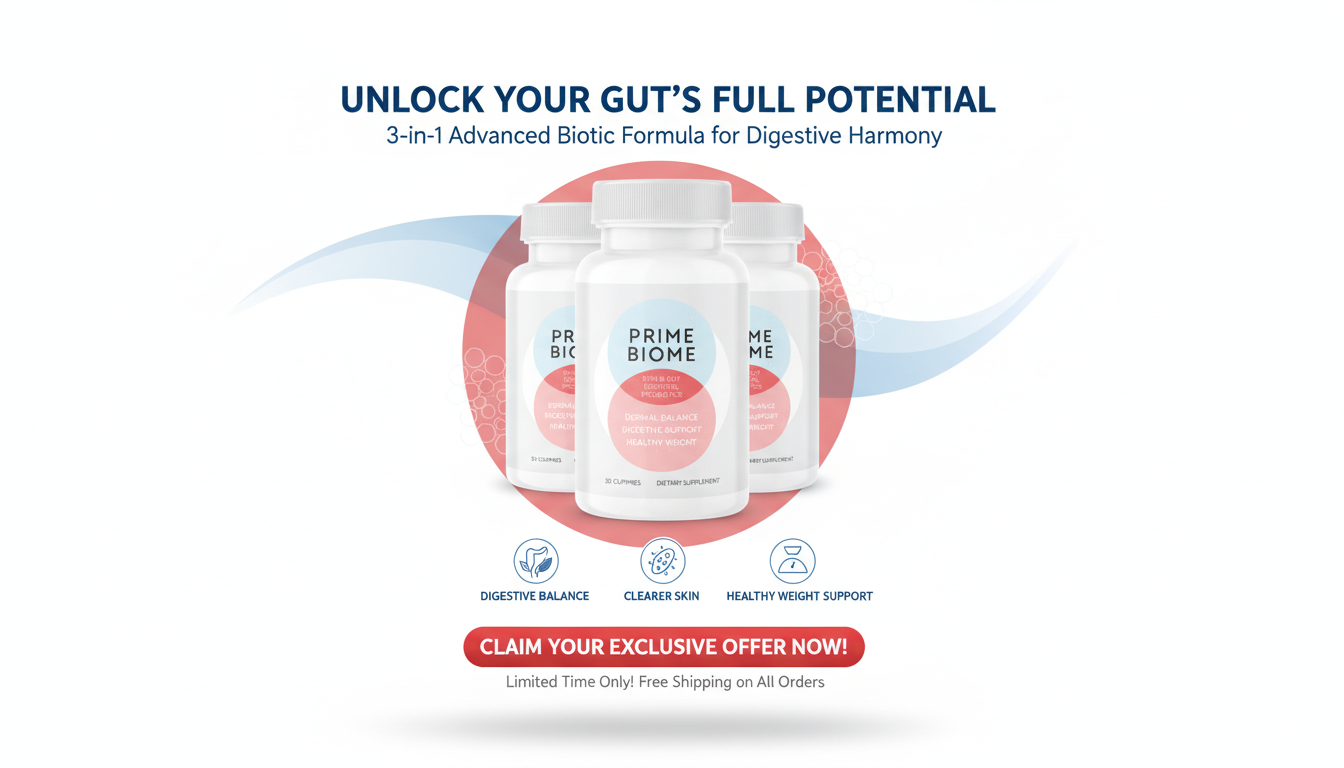
Formulations designed to support the gut health and skin connection often go beyond simple probiotics. They combine multiple key ingredients to offer a synergistic approach. Products like PrimeBiome are specifically engineered to address the core issues of leaky gut and dysbiosis. They typically include not only a diverse range of probiotic strains to repopulate the microbiome but also prebiotics to nourish them. Furthermore, they contain crucial amino acids like L-Glutamine, which serves as a primary fuel source for intestinal cells, helping to repair and tighten the gut lining. Soothing herbs like slippery elm and marshmallow root are also often included to calm irritation and support the mucosal barrier.
For those struggling to see results from diet alone, a high-quality, multi-ingredient gut supplement can provide the concentrated support needed to quell inflammation, restore balance, and ultimately help you achieve the clear, calm complexion you’ve been working towards.
A New Path to Radiant Skin
If you feel like you’re at a dead end in your skincare journey, it’s time to look deeper. The gut health and skin connection is not a trend; it’s a fundamental aspect of human biology. By shifting your focus from topical fixes to internal balance, you can address the root cause of your skin concerns. Nurturing your gut microbiome through a balanced diet, stress management, and targeted supplementation is one of the most powerful strategies for achieving long-term skin health and a radiant glow that truly comes from within.
Frequently Asked Questions About Gut Health and Your Skin
How long does it take to see skin improvements after healing the gut?
This varies greatly from person to person. Some people may notice initial improvements in bloating and digestion within a few weeks, with skin changes becoming apparent after 1-3 months of consistent effort. For others, it may take longer. Patience and consistency are key.
Can probiotics alone solve my skin problems?
While beneficial, probiotics are just one part of the solution. A holistic approach that includes a fiber-rich diet, stress management, adequate hydration, and potentially other supportive nutrients for the gut lining is generally more effective than relying on probiotics alone.
Is this connection backed by science?
Yes, the field of research on the gut-skin axis is rapidly growing. Numerous studies have been published in peer-reviewed journals demonstrating the link between gut dysbiosis, inflammation, and various skin conditions. While more research is needed to understand the precise mechanisms, the connection is well-established in the scientific community.
Disclaimer: The information in this article is for educational purposes only and is not intended as medical advice. Always consult with a qualified healthcare professional before making any changes to your diet, lifestyle, or supplement regimen, especially if you have a pre-existing medical condition.