
Have you tried every lotion, serum, and topical treatment available, only to see your skin issues persist? It’s a frustrating cycle of hope and disappointment that leaves many feeling defeated. You follow a strict skincare regimen, but the acne, redness, eczema, or premature aging signs remain. If this sounds familiar, it might be time to look deeper—not at your skin, but within your gut. The emerging science behind the gut health and skin connection reveals that the secret to a radiant complexion may actually lie in the balance of your internal microbiome.
For decades, skincare focused almost exclusively on the surface. We were taught to cleanse, tone, and moisturize, but what if the root cause of our skin woes is internal? This article explores the profound relationship between your digestive system and your skin’s appearance, a link known as the gut-skin axis. Understanding this connection can unlock a new, more effective approach to achieving the clear, healthy skin you’ve been striving for.
What is the Gut-Skin Axis?
The gut-skin axis is a term for the constant, two-way communication that occurs between your gastrointestinal tract and your skin. Think of it as a superhighway of information. Your gut is home to trillions of microorganisms—bacteria, viruses, and fungi—collectively known as the gut microbiome. When this ecosystem is in balance, it supports everything from digestion and immunity to mood regulation.
However, when the gut microbiome is thrown out of balance (a state called dysbiosis), it can trigger a cascade of issues throughout the body. One of the most visible places these issues manifest is on your skin. An unhealthy gut can lead to systemic inflammation, which is a key driver behind many common skin conditions like acne, rosacea, and psoriasis.
How an Unhealthy Gut Affects Your Skin
The link isn’t just a vague theory; specific mechanisms explain how gut problems translate into skin problems. Understanding these pathways is the first step toward addressing the true source of your concerns.
Leaky Gut and Inflammation
A healthy gut has a strong, tightly-knit intestinal lining that acts as a barrier, controlling what gets absorbed into the bloodstream. When this lining becomes compromised—a condition often called “leaky gut” or increased intestinal permeability—undigested food particles, toxins, and bacteria can “leak” into your system. Your immune system identifies these as foreign invaders and launches an inflammatory response. This chronic, low-grade inflammation can then show up on your skin as redness, swelling, and breakouts.
Microbiome Imbalance (Dysbiosis)
When harmful bacteria outnumber beneficial bacteria in your gut, it directly impacts your body’s ability to function optimally. This imbalance can affect nutrient absorption and even the integrity of your skin barrier. Some studies suggest that the byproducts of “bad” gut bacteria can travel to the skin and disrupt its own delicate microbiome, leading to flare-ups and irritation.
Poor Nutrient Absorption
Your skin needs a steady supply of vitamins, minerals, and antioxidants to repair itself and stay healthy. A compromised gut struggles to absorb these essential nutrients from the food you eat. Even if you have a healthy diet, a poorly functioning gut can lead to deficiencies in nutrients like zinc, vitamin A, and omega-3 fatty acids, all of which are crucial for maintaining clear and resilient skin.
Signs Your Gut Might Be Behind Your Skin Issues
How can you tell if your gut is the culprit? Often, the signs are both digestive and dermatological. If you experience persistent skin problems alongside any of the following, it might be worth investigating your gut health:
- Frequent bloating, gas, or indigestion
- Constipation or diarrhea
- Food sensitivities or intolerances
- Chronic fatigue or brain fog
- Unexplained joint pain
- Stubborn acne, especially cystic acne around the jawline
- Flare-ups of eczema, psoriasis, or rosacea
Recognizing this pattern is a crucial step. It shifts the focus from merely treating symptoms on your skin’s surface to healing your body from the inside out.
How to Improve the Gut Health and Skin Connection
Once you understand the link, you can take proactive steps to support your gut and, in turn, your skin. The approach is holistic, combining diet, lifestyle, and targeted supplementation for a comprehensive strategy.
Dietary Changes
Your diet is one of the most powerful tools for rebalancing your gut microbiome. Focus on whole, unprocessed foods that nourish beneficial bacteria.
- Increase Fiber Intake: Soluble and insoluble fiber from fruits, vegetables, and whole grains acts as a prebiotic, feeding the good bacteria in your gut.
- Eat Fermented Foods: Foods like yogurt, kefir, kimchi, and sauerkraut are natural sources of probiotics, which are live beneficial bacteria that can help restore balance.
- Incorporate Polyphenols: Berries, dark chocolate, and green tea are rich in polyphenols, which are antioxidant compounds that can reduce gut inflammation and support a healthy microbiome.
- Stay Hydrated: Water is essential for maintaining the mucosal lining of the intestines and can promote a healthy balance of gut bacteria.
Stress Management
Stress has a direct and rapid impact on the gut. It can alter the composition of your microbiome and increase intestinal permeability. Incorporating stress-reduction techniques into your daily routine is non-negotiable for gut health. Practices like meditation, deep breathing exercises, yoga, and spending time in nature can significantly lower stress levels and reduce inflammation.
The Role of Prebiotics, Probiotics, and Postbiotics
While most people have heard of prebiotics (food for good bacteria) and probiotics (the good bacteria themselves), a third category is gaining significant attention: postbiotics. Postbiotics are the beneficial compounds produced by probiotics when they consume prebiotics. These are the “active” substances that carry out many of the health benefits associated with a healthy gut, such as strengthening the gut barrier and reducing inflammation. They offer a more direct and stable way to support gut health.
A Targeted Approach: The Power of Postbiotics
While a healthy diet is foundational, sometimes the gut needs a more targeted boost to repair and rebalance, especially if the gut-skin axis is severely compromised. This is where advanced supplements focused on postbiotics can play a transformative role. Postbiotics, like Tributyrin, are particularly effective because they deliver the end-product of a healthy gut directly to the intestines, bypassing the need for probiotics to produce them.
Tributyrin is a highly bioavailable form of butyrate, a short-chain fatty acid that is the primary fuel source for the cells lining your colon. It is scientifically recognized for its ability to strengthen the gut barrier, reduce inflammation, and promote a balanced microbiome. By reinforcing the intestinal wall, it directly addresses the “leaky gut” issue that drives so much skin inflammation.
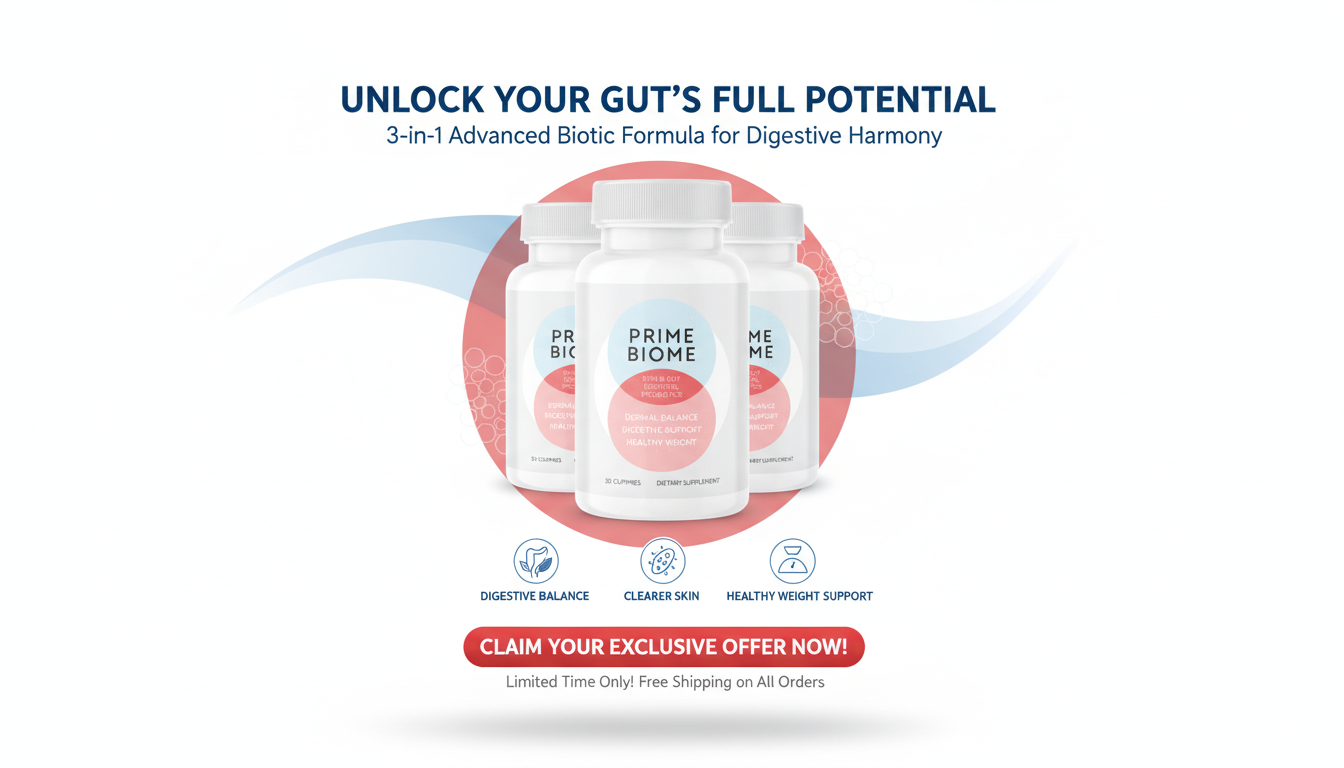
For those who have struggled to see results from diet changes alone, a targeted formula like PrimeBiome can be the missing piece of the puzzle. It is specifically designed to leverage the power of postbiotics to heal the gut lining and calm the systemic inflammation that triggers skin problems. By focusing on the root cause within the gut, it provides a powerful, inside-out solution for achieving clear, calm, and healthy-looking skin.
In conclusion, the path to radiant skin may not be found in your medicine cabinet but rather in your digestive system. The gut health and skin connection is a fundamental aspect of our overall wellness. By shifting your focus from topical treatments to internal balance, you can address the underlying issues that drive persistent skin conditions. Nourishing your gut with a healthy diet, managing stress, and utilizing targeted postbiotic support can finally help you break the cycle of frustration and achieve the lasting skin health you deserve.
Disclaimer
The information provided in this article is for educational purposes only and is not intended as medical advice. The content is not meant to diagnose, treat, cure, or prevent any health condition. Always consult with a qualified healthcare professional or dermatologist before making any changes to your diet, lifestyle, or supplement regimen, especially if you have a pre-existing medical condition or are taking medication.