Understanding the Core Reasons for Ongoing Bloating
Feeling constantly bloated can be more than just uncomfortable; it can be frustrating and disruptive to your daily life. If you’ve tried changing your diet, drinking more water, and exercising, but the feeling of fullness and pressure persists, it might be time to look deeper. The real causes of persistent bloating often go beyond the obvious and are rooted in the complex ecosystem of your gut. This article will explore these underlying issues to help you understand what might be happening inside your body and how you can start the journey toward lasting relief.
More Than Just Gas: What Is Persistent Bloating?
Occasional bloating is a normal part of digestion. It happens to everyone after a large meal or after eating certain gas-producing foods. However, persistent bloating is different. It’s a chronic condition where you feel swollen, tight, and uncomfortable in your abdomen almost daily. This isn’t just about eating too much broccoli; it’s a sign that your digestive system is struggling. This constant pressure can affect your mood, energy levels, and even your confidence. Recognizing that this is a deeper issue is the first step toward finding a real solution.
Common Culprits That Are Often Overlooked
While certain foods are well-known triggers, several other factors can contribute to that never-ending bloated feeling. Stress, for instance, can significantly impact digestion by diverting blood flow away from your gut. Eating too quickly or not chewing your food properly can also introduce excess air into your digestive tract, leading to discomfort. However, two of the most significant and often overlooked factors are an imbalanced gut microbiome and a compromised gut lining, often referred to as “leaky gut.”

The Gut Microbiome: Your Body’s Hidden Command Center
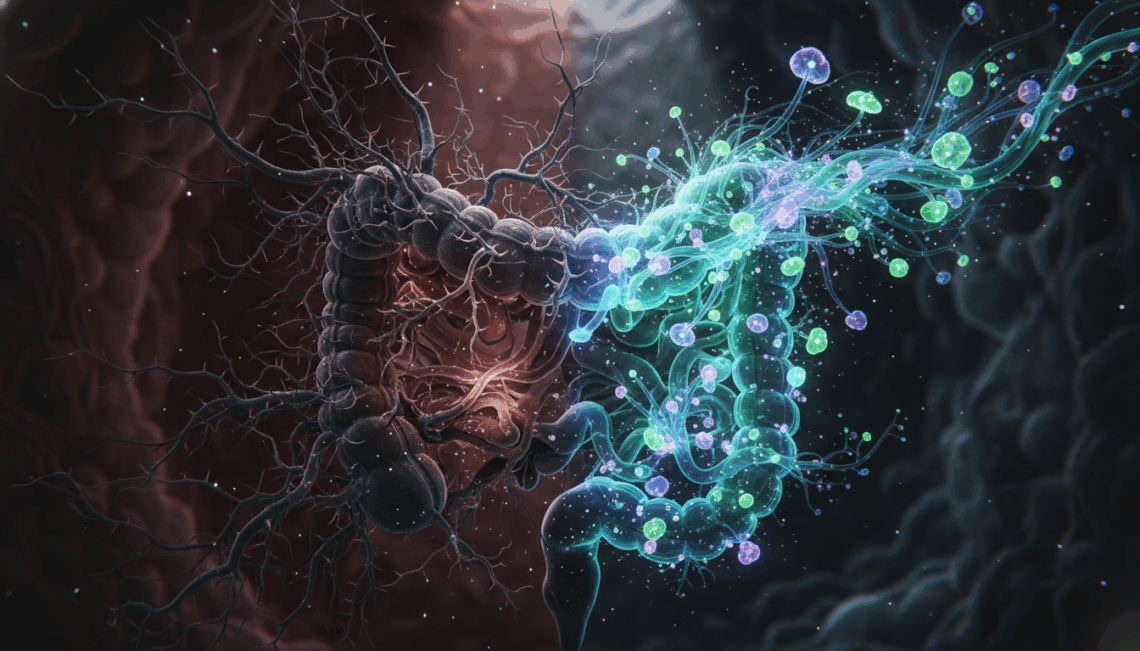
Your gut is home to trillions of microorganisms, including bacteria, fungi, and viruses, collectively known as the gut microbiome. In a healthy state, these microbes work in harmony to break down food, produce essential vitamins, and support your immune system. However, this delicate balance can be disrupted by factors like a poor diet, stress, antibiotics, and lack of sleep. This imbalance is called dysbiosis.
When harmful bacteria begin to outnumber the beneficial ones, digestion suffers. These “bad” microbes can produce excessive gas as they ferment undigested food in your intestines. This gas is a primary driver behind the pressure and swelling you feel, making dysbiosis one of the leading causes of persistent bloating. Without a balanced microbiome, your digestive system simply can’t function optimally.
Leaky Gut Syndrome: When Your Defenses Are Breached
Imagine your intestinal lining as a tightly controlled gateway. It’s designed to let nutrients pass into your bloodstream while keeping out toxins, undigested food particles, and harmful bacteria. Leaky gut syndrome occurs when the junctions in this lining become loose. This allows unwanted substances to “leak” into your bloodstream, triggering an inflammatory response from your immune system. This chronic, low-grade inflammation can manifest in numerous ways, including—you guessed it—persistent bloating. It creates an environment of constant irritation in your digestive system, making you feel perpetually swollen and uncomfortable.
A Strategic Approach to Restoring Gut Harmony
Addressing persistent bloating requires a strategy that goes beyond temporary fixes. The goal is to rebuild and support your gut health from the ground up. This involves two key steps: rebalancing your microbiome and strengthening your gut lining. You can start by incorporating more fiber-rich foods, fermented foods like yogurt and kefir, and managing your stress levels. However, for many, this isn’t enough to correct a significant imbalance. The modern diet often lacks the specific nutrients needed to foster a truly healthy gut environment.
Introducing a Comprehensive Solution for Gut Health
To effectively tackle the root causes of persistent bloating, a more targeted approach can be beneficial. This is where a comprehensive gut health supplement can play a crucial role. PrimeBiome is designed specifically to address the core issues of dysbiosis and leaky gut. Its formula is built on a foundation of prebiotics, probiotics, and a unique postbiotic component.
- Probiotics: These are the beneficial bacteria that help repopulate your gut and restore a healthy balance to your microbiome.
- Prebiotics: These act as food for the good bacteria, helping them thrive and multiply, further pushing out the harmful microbes.
- Postbiotics: This is a key innovation. Postbiotics are the beneficial compounds produced by probiotics. By providing them directly, PrimeBiome helps to immediately support a healthy gut lining and calm inflammation, offering a more complete and faster-acting solution.
By combining these three elements, PrimeBiome offers a multi-pronged approach. It doesn’t just add good bacteria; it nourishes them and provides the direct compounds needed to fortify your gut barrier. This synergistic effect helps create an optimal environment for smooth digestion and can lead to significant relief from bloating, gas, and discomfort.
Your Path to a Calmer, Happier Gut
Living with persistent bloating is not something you have to accept as normal. By understanding that the problem often lies deeper within your gut microbiome and the integrity of your intestinal lining, you can take meaningful steps toward finding relief. A holistic approach that includes diet, lifestyle, and targeted supplementation can help re-establish digestive harmony. Taking control of your gut health is a powerful step toward improving your overall well-being and reclaiming a life free from constant digestive discomfort.
Important Disclaimer
The information provided in this article is for educational purposes only and is not a substitute for professional medical advice, diagnosis, or treatment. Always seek the advice of your physician or other qualified health provider with any questions you may have regarding a medical condition. Do not disregard professional medical advice or delay in seeking it because of something you have read here. The use of any information provided is solely at your own risk.