Understanding the Root Causes of Constant Bloating and Gas
Dealing with persistent bloating and gas can be more than just uncomfortable; it can be frustrating and disruptive to your daily life. If you find yourself constantly feeling swollen, gassy, or heavy, especially after meals, you’re not alone. This chronic discomfort is a clear signal from your body that something is out of balance. The first step toward finding relief is understanding the potential causes of constant bloating and gas, which often go much deeper than simply what you ate for lunch.
While occasional bloating is a normal part of digestion, chronic issues may point to an underlying imbalance in your gut. This article will guide you through the complex world of your digestive system, exploring the primary culprits behind persistent discomfort and offering actionable insights to help you restore balance and reclaim your comfort.
Beyond the Obvious: Why Am I Always Bloated?
Many people attribute bloating to eating too quickly, consuming carbonated drinks, or having a large meal. While these factors can certainly contribute to temporary discomfort, they rarely explain chronic, daily bloating. When the issue persists, it’s necessary to look at the more intricate functions of your digestive tract, particularly the health and balance of your gut microbiome.
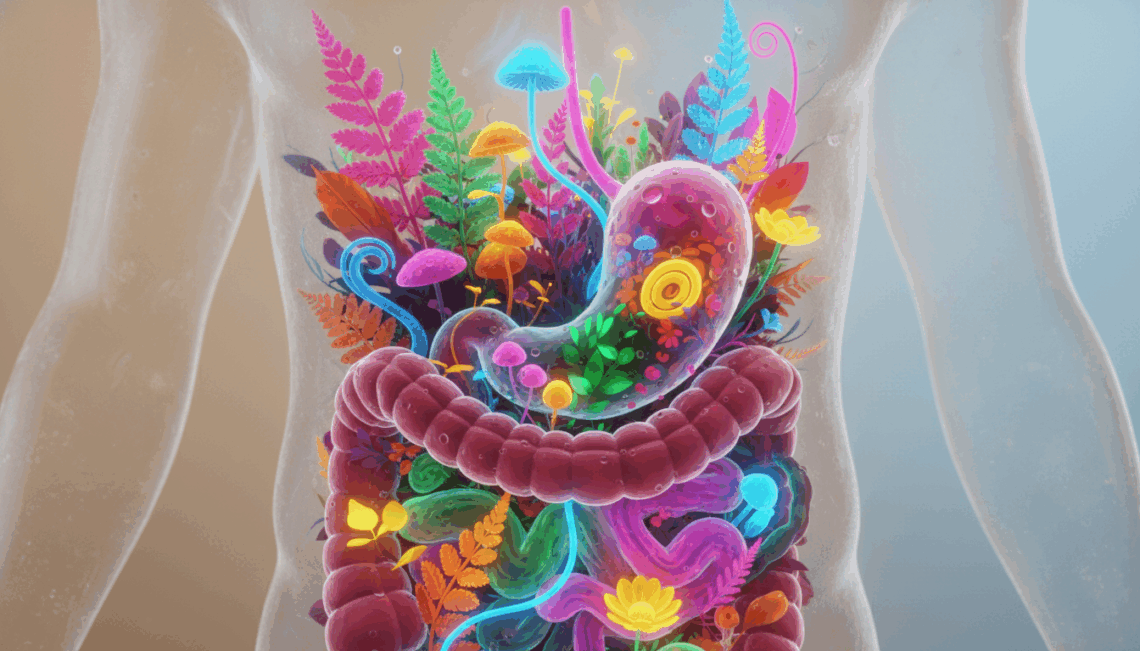
Your gut is a complex ecosystem, home to trillions of bacteria, fungi, and other microbes. A healthy, diverse microbiome is essential for proper digestion, nutrient absorption, and even immune function. When this delicate ecosystem is disrupted—a condition known as dysbiosis—it can lead to a host of digestive problems, with bloating and gas being among the most common symptoms.
The Core Issue: Understanding Your Gut Microbiome
Think of your gut microbiome as a bustling city of workers. When everyone is doing their job correctly, things run smoothly. Nutrients are processed, waste is eliminated efficiently, and the gut lining remains strong and intact. However, if the wrong types of microbes take over or if the overall diversity declines, the system breaks down. Harmful bacteria can produce excess gas as they ferment undigested food, leading directly to that swollen, painful feeling.
This imbalance can be caused by various factors, including a diet high in processed foods, chronic stress, certain medications like antibiotics, and even a lack of sleep. Restoring this microbial balance is fundamental to addressing the root causes of constant bloating and gas.
Common Culprits: Key Causes of Constant Bloating and Gas
While a disrupted microbiome is often the central issue, several specific conditions and dietary factors are known to contribute significantly to digestive distress.
Dietary Triggers and Food Intolerances
Certain foods are notoriously difficult for some people to digest. Food intolerances, which are different from food allergies, can cause significant bloating. Common culprits include:
- Lactose: Found in dairy products, lactose requires the enzyme lactase for digestion. Many adults are deficient in this enzyme, leading to gas and bloating.
- FODMAPs: This acronym stands for Fermentable Oligosaccharides, Disaccharides, Monosaccharides, and Polyols. These are short-chain carbohydrates that can be poorly absorbed in the small intestine, leading to fermentation by gut bacteria. High-FODMAP foods include wheat, onions, garlic, and certain fruits.
- Gluten: For individuals with celiac disease or non-celiac gluten sensitivity, consuming gluten (a protein in wheat, barley, and rye) can trigger severe bloating, inflammation, and other digestive symptoms.
The Role of Lectins in Digestive Distress
Lectins are a type of protein found in many plants, including legumes, grains, and nightshade vegetables. They act as a natural defense mechanism for the plant. In humans, high consumption of certain lectins can interfere with digestion and potentially damage the gut lining. For sensitive individuals, this can contribute to a condition often referred to as “leaky gut,” where the intestinal barrier becomes more permeable, leading to inflammation, bloating, and other systemic issues.

Small Intestinal Bacterial Overgrowth (SIBO)
SIBO is a condition where bacteria that normally reside in the large intestine begin to grow in the small intestine. This misplacement of bacteria disrupts normal digestion and nutrient absorption. These bacteria ferment carbohydrates early in the digestive process, producing large amounts of hydrogen and methane gas, leading to severe and persistent bloating, often shortly after eating.
Sluggish Digestion and Poor Motility
If your digestive system moves too slowly (a condition known as poor motility), food remains in the intestines for longer than it should. This gives gut bacteria more time to ferment it, resulting in the production of excess gas. Constipation is a clear sign of poor motility and is very often accompanied by bloating and a feeling of fullness.
Creating a Healthier Gut Environment: Your Action Plan
Addressing the causes of constant bloating and gas requires a multi-faceted approach focused on restoring balance to your digestive system. While it’s always best to consult with a healthcare professional to rule out serious conditions, several lifestyle and dietary strategies can provide a strong foundation for a healthier gut.
Foundational Dietary Adjustments
Start by paying closer attention to your eating habits. Practice mindful eating by chewing your food thoroughly and eating without distractions. This simple act can significantly improve digestion. Staying hydrated with plenty of water throughout the day also helps keep things moving through your digestive tract. Keeping a food diary can be an invaluable tool to identify specific trigger foods that may be contributing to your symptoms.
The Power of Probiotics and Prebiotics
Incorporating probiotics (beneficial bacteria) and prebiotics (the fiber that feeds them) into your diet is crucial for rebalancing your microbiome. Probiotic-rich foods include yogurt, kefir, sauerkraut, and kimchi. Prebiotic sources include asparagus, bananas, onions, and whole grains. These foods work together to foster a diverse and resilient gut ecosystem.
Supporting Your Gut Lining
A strong intestinal barrier is essential for preventing inflammation and discomfort. When this lining is compromised, undigested particles and toxins can “leak” into the bloodstream, triggering an immune response. Restoring the integrity of the gut lining is a key step in resolving chronic digestive issues. This often involves not only removing inflammatory triggers but also providing the gut with specific nutrients and beneficial bacteria that help repair and maintain the barrier.
A Comprehensive Approach to Gut Health Support
While dietary changes are fundamental, the reality is that our modern diets and lifestyles don’t always provide the specific, concentrated support our gut needs to recover from long-term imbalance. The process of re-establishing a healthy microbiome, strengthening the gut lining, and ensuring proper digestion of problematic compounds like lectins can be complex.
This is where a targeted supplement can play a powerful role. A well-formulated digestive health supplement can provide a synergistic blend of ingredients designed to address the multifaceted causes of constant bloating and gas. By combining specific strains of probiotics to repopulate the gut, enzymes to help break down trigger compounds, and nutrients to support the gut barrier, a comprehensive formula can help accelerate the journey back to digestive comfort and balance.
Frequently Asked Questions About Digestive Health
Navigating the world of gut health can bring up many questions. Here are answers to some common queries.
How long does it take to improve gut health?
There is no one-size-fits-all answer. The timeline for improving gut health varies depending on the individual, the severity of the imbalance, and the consistency of the interventions. Some people may notice improvements in a few weeks, while for others, it may take several months of consistent effort with diet, lifestyle changes, and targeted supplementation.
Can stress cause bloating?
Absolutely. There is a powerful connection between the brain and the gut, often called the gut-brain axis. Chronic stress can negatively impact gut motility, increase inflammation, and alter the balance of your gut bacteria, all of which can be direct causes of bloating and gas.
When should I see a doctor for bloating?
While most cases of bloating are benign, it is crucial to consult a healthcare professional if your bloating is severe, persistent, or accompanied by other concerning symptoms such as unexplained weight loss, blood in the stool, or intense abdominal pain. This is to rule out any more serious underlying medical conditions. This article is for informational purposes only and does not constitute medical advice.
In conclusion, understanding the root causes of constant bloating and gas is the most critical step toward achieving lasting relief. By looking beyond temporary fixes and focusing on the core issue of gut health—balancing your microbiome and supporting your digestive lining—you can create a sustainable foundation for comfort and well-being. A holistic approach that combines mindful eating, a gut-friendly diet, and targeted support can empower you to take control of your digestive health.