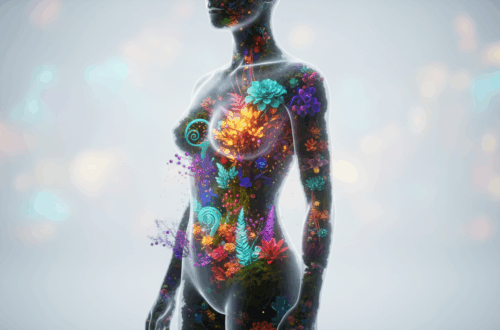

The Visible Signs vs. The Invisible Culprit
When you look in the mirror, what do you see? For many, the reflection brings a daily confrontation with fine lines, wrinkles, and a certain dullness that wasn’t there before. We invest in creams, serums, and treatments, all aimed at tackling these surface-level issues. But what if the true source of these changes lies far deeper, beyond what any topical solution can reach? The frustration of seeing these signs appear faster than expected is a common experience, leading many to wonder about the real causes of accelerated aging.
The truth is, while external factors play a role, the aging process is largely governed from within, at a microscopic level. The health and efficiency of our cells dictate the youthfulness of our skin, the sharpness of our minds, and our overall energy levels. This article will explore the profound connection between your cellular machinery and the visible signs of aging, uncovering the invisible culprit that may be speeding up the clock.
Understanding Cellular Aging: Meet Your Mitochondria
To grasp the concept of accelerated aging, we must first journey inside our own cells. Here, we find billions of tiny structures called mitochondria. Understanding their function is the first step toward reclaiming your youthful vitality.
The Powerhouses of Your Cells
Think of mitochondria as the microscopic power plants of your body. They are responsible for taking the food we eat and the air we breathe and converting them into adenosine triphosphate (ATP), the primary energy currency of the cell. Every single bodily function, from the beating of your heart to the firing of neurons in your brain and the regeneration of your skin, depends on the energy produced by mitochondria.
When the Powerhouses Decline
As we age, our mitochondria can become less efficient and more damaged. This decline is a natural process, but certain lifestyle and environmental factors can drastically speed it up. When mitochondrial function wanes, energy production falters. This energy crisis at the cellular level has widespread consequences, leading to the familiar signs we associate with aging: fatigue, mental fog, and, most visibly, changes in our skin.
The Primary Cause of Accelerated Aging: Inflamm-Aging
Scientists have identified a key driver behind mitochondrial decline and accelerated aging: a phenomenon known as “inflamm-aging.” This term describes a chronic, low-grade, and often silent inflammation that persists throughout the body.
What Is Inflamm-Aging?
Unlike the acute inflammation you experience with an injury (which is a healthy, short-term healing response), inflamm-aging is a sustained, systemic state of alert. This constant inflammatory buzz puts immense stress on our cells and, particularly, our mitochondria. It forces them to work overtime, leading to increased production of damaging free radicals and ultimately causing them to burn out faster.

How Does It Affect Your Skin and Energy?
Inflamm-aging is one of the core causes of accelerated aging. For your skin, this chronic inflammation degrades collagen and elastin, the proteins that provide structure and firmness, leading directly to wrinkles and sagging. It can also trigger an overproduction of melanin, resulting in age spots and uneven skin tone. Internally, the energy drain from damaged mitochondria leaves you feeling persistently tired, no matter how much you rest.
Key Factors That Drive Cellular Aging
Several factors contribute to the cycle of inflamm-aging and mitochondrial decay. Recognizing them is crucial for developing a strategy to counteract their effects.
Oxidative Stress and Free Radicals
Everyday metabolic processes, along with exposure to UV radiation, pollution, and processed foods, create unstable molecules called free radicals. These molecules cause oxidative stress, which is essentially cellular rust. Mitochondria are ground zero for this damage, which impairs their ability to function and triggers an inflammatory response.
Glycation and Sugar’s Impact
A diet high in sugar can lead to a process called glycation, where sugar molecules attach to proteins like collagen and elastin. This forms harmful compounds known as Advanced Glycation End-products (AGEs). AGEs make skin fibers rigid and brittle, accelerating wrinkle formation and contributing to systemic inflammation.
Nutritional Deficiencies
Mitochondria require specific nutrients to function optimally and protect themselves from damage. Modern diets are often lacking in key micronutrients and antioxidants. Without these essential building blocks, our cellular powerhouses cannot perform efficiently, leaving them vulnerable to the degenerative cycle of inflamm-aging.
Can You Support Your Cells to Combat Accelerated Aging?
Understanding the problem is one thing; finding a solution is another. The exciting news from scientific research is that we are not helpless bystanders in the aging process. By addressing the root causes of accelerated aging at the cellular level, we can support our bodies in maintaining youthful function for longer.
The Role of Specific Nutrients
Research has highlighted several key nutrients that play a vital role in mitochondrial health. Coenzyme Q10 (CoQ10), for example, is an essential component of the energy production process within mitochondria and a potent antioxidant. Pyrroloquinoline Quinone (PQQ) is another powerful compound that not only protects existing mitochondria but may also promote the generation of new ones. These nutrients, along with others that support cellular energy, can provide the targeted support our cells need to combat the effects of inflamm-aging.
Introducing a Targeted Approach to Cellular Health
While a healthy diet is fundamental, obtaining therapeutic levels of these specialized nutrients through food alone can be challenging. This is where a targeted nutritional strategy can make a significant difference. By supplying your body with a precise blend of ingredients known to support mitochondrial function, you can provide the resources needed to help counter the effects of cellular stress and inflammation.
How Mitolyn Addresses the Core Causes of Accelerated Aging
This is where Mitolyn comes in as a strategic ally. It is a professionally formulated supplement designed specifically to address the core issue of mitochondrial decline and inflamm-aging. Rather than simply masking the symptoms on the surface, its formula provides key ingredients to support your cellular powerhouses from the inside out.
Fueling Mitochondria and Reducing Inflammation
Mitolyn’s formula includes a synergistic blend of ingredients like CoQ10 and PQQ, which are scientifically recognized for their role in mitochondrial health. These compounds work together to help protect mitochondria from oxidative stress, support efficient energy production, and assist the body in managing a healthy inflammatory response. This internal support is what translates into external vitality, helping skin appear more youthful and energy levels feel more robust.
A Practical Step Towards Cellular Vitality
Incorporating Mitolyn into your daily routine is a simple, proactive step toward addressing the fundamental causes of accelerated aging. It’s not about finding a magic cure, but about providing your body with the nutritional tools it needs to function at its best. By focusing on the health of your cells, you are investing in a long-term strategy for wellness and vitality that radiates from within.
In conclusion, the path to graceful aging doesn’t start with the most expensive cream; it starts with understanding and supporting your cellular health. By addressing inflamm-aging and nourishing your mitochondria, you can empower your body to maintain its natural youthfulness and energy. It is always recommended to consult with a healthcare professional before beginning any new supplement regimen to ensure it aligns with your individual health needs.
Frequently Asked Questions (FAQ)
1. What is the biggest factor in cellular aging?
While multiple factors contribute, many scientists agree that chronic, low-grade inflammation (inflamm-aging) combined with oxidative stress are the primary drivers of mitochondrial damage, which is a key hallmark of cellular aging.
2. Can I get all the necessary nutrients for mitochondrial health from food?
A balanced, nutrient-dense diet is crucial for overall health. However, achieving the optimal amounts of specific compounds like CoQ10 and PQQ for targeted mitochondrial support can be difficult through diet alone, which is why some people turn to high-quality supplements.
3. How long does it take to see benefits from supporting mitochondrial health?
Cellular processes take time. While individual results vary, consistent nutritional support for mitochondria may lead to noticeable improvements in energy levels and skin appearance over the course of several weeks to a few months as cells begin to function more efficiently.