Understanding the Root Causes of Leaky Gut Syndrome
You’ve likely heard the term “leaky gut,” but what does it really mean? For many, it’s a frustrating and mysterious condition. You experience persistent bloating, gas, unexplained fatigue, skin issues, or even brain fog. You’ve tried changing your diet, cutting out foods, and loading up on probiotics, yet the discomfort remains. This experience often leads to a crucial question: what are the real causes of leaky gut syndrome, and why do common remedies seem to fall short?
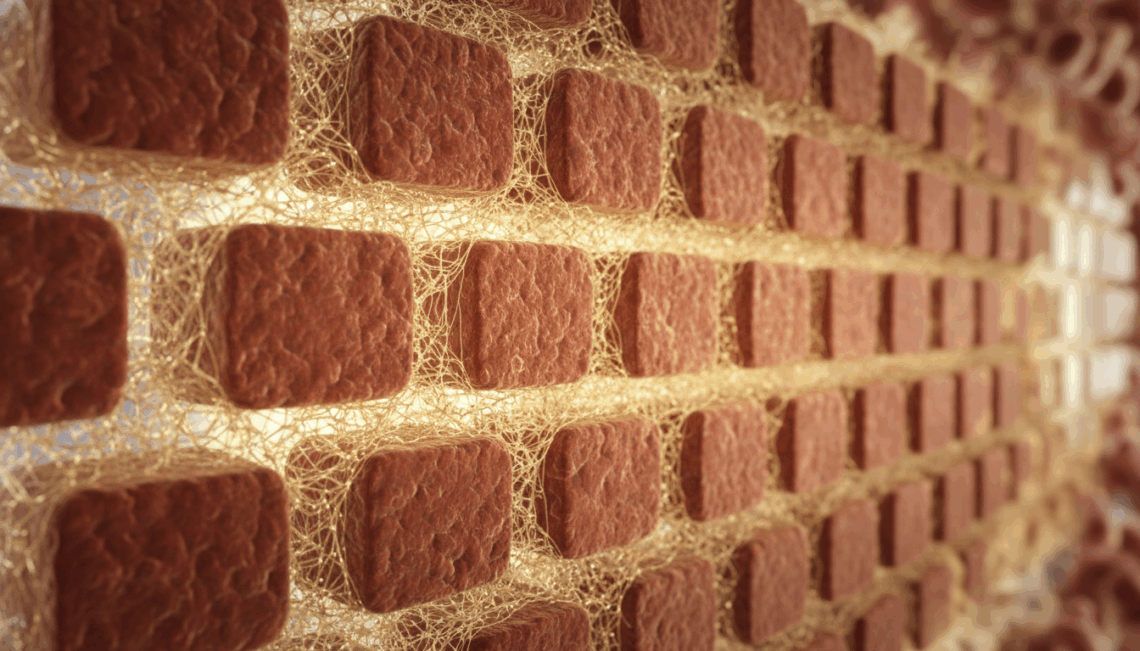
Leaky gut, known in the medical community as increased intestinal permeability, isn’t a disease in itself but rather a state of dysfunction in your digestive tract. Imagine your intestinal lining as a tightly woven net with extremely small holes. This net is designed to let vital nutrients pass through into your bloodstream while blocking harmful substances like toxins, undigested food particles, and pathogens.
In a healthy gut, this barrier is strong. However, when the tight junctions holding this net together become loose or damaged, the “holes” get bigger. This allows unwanted substances to “leak” into your bloodstream, triggering an immune response that can lead to inflammation and a wide array of symptoms throughout your body. Understanding the root causes is the first step toward effectively addressing the problem.
The Primary Causes of Leaky Gut Syndrome
Increased intestinal permeability is rarely caused by a single factor. More often, it’s the result of a combination of lifestyle, dietary, and environmental influences that compromise the integrity of your gut lining over time.
Chronic Inflammation and a Modern Diet
One of the most significant contributors is a diet high in processed foods, sugar, and unhealthy fats. These foods can promote chronic, low-grade inflammation. This inflammation directly irritates the intestinal lining, weakening the tight junctions between cells. Foods containing gluten and certain lectins can also be problematic for sensitive individuals, contributing to this inflammatory cycle.
Gut Microbiome Imbalance (Dysbiosis)
Your gut is home to trillions of bacteria, both beneficial and potentially harmful. A healthy balance, or symbiosis, is crucial for maintaining the gut barrier. Dysbiosis occurs when this balance is disrupted. An overgrowth of harmful bacteria or a lack of beneficial bacteria can produce endotoxins that damage the gut lining, leading to increased permeability.
The Impact of Chronic Stress
Never underestimate the power of the gut-brain axis. Chronic psychological stress triggers the release of cortisol and other stress hormones, which can degrade the intestinal barrier over time. Stress directly impacts gut motility, enzyme secretion, and the health of your microbiome, making your gut lining more vulnerable to damage.
Why Probiotics Alone Might Not Be Enough
When faced with gut issues, the most common advice is to take a probiotic. Probiotics are beneficial bacteria that can certainly help restore balance to your microbiome. However, they don’t always fix the underlying problem of a damaged gut wall. Think of it this way: if your house has a leaky roof, bringing in more people (probiotics) won’t fix the holes. You need to repair the roof (the gut barrier) itself.
Probiotics introduce good bacteria, but they don’t directly provide the fuel your gut cells need to rebuild and tighten the junctions. For true restoration, you need to address the structure of the gut lining, and that’s where a different type of “biotic” comes into play.
The Key to Healing: Understanding Postbiotics and the Gut Barrier
If probiotics are the live bacteria, and prebiotics are the fiber that feeds them, what are postbiotics? Postbiotics are the beneficial compounds that probiotic bacteria produce when they ferment prebiotic fiber. These compounds are, in many ways, the “action” molecules that provide the real health benefits.
The most important postbiotic for gut barrier integrity is a short-chain fatty acid called butyrate. Butyrate is the primary fuel source for the cells that line your colon (colonocytes). When these cells are well-nourished with butyrate, they can regenerate, strengthen, and maintain the tight junctions that prevent leaks. A lack of butyrate production is one of the key underlying causes of leaky gut syndrome because it starves the gut wall of the energy it needs to stay intact.
A Strategic Approach to Supporting Your Gut Lining
While your body can produce its own butyrate, modern diets and chronic gut issues often mean this production is insufficient. This is why simply adding fiber or probiotics may not be enough if the butyrate-producing machinery is compromised. A more direct approach is needed to provide the gut lining with the fuel it requires for repair.
This is where targeted supplementation can play a powerful role. Formulas designed to deliver a stable and effective form of butyrate, such as Tributyrin, can bypass the need for fermentation and provide this crucial fuel directly to your intestinal cells. Tributyrin is essentially three molecules of butyrate bound together, which allows it to travel through the stomach and small intestine to reach the colon where it is most needed.
By focusing on nourishing and rebuilding the gut barrier with postbiotics, you are addressing the root of the problem, not just managing the symptoms. This approach helps restore the integrity of your gut’s first line of defense, which is essential for overall health and well-being.
Frequently Asked Questions About Gut Health
How long does it take to heal the gut lining?
Healing the gut is a gradual process that varies for everyone. It depends on the severity of the damage and your consistency with dietary changes, stress management, and targeted supplementation. Some people may notice improvements in a few weeks, while for others, it may take several months.
Can I get enough butyrate from food alone?
Butyrate is produced by your gut bacteria fermenting dietary fiber, especially resistant starch found in foods like green bananas, oats, and legumes. While a high-fiber diet is crucial, it may not be sufficient for those with significant dysbiosis or compromised gut function.
Is this information a substitute for medical advice?
Absolutely not. The information provided here is for educational purposes only. If you are experiencing persistent digestive issues or suspect you have increased intestinal permeability, it is essential to consult with a qualified healthcare professional for a proper diagnosis and personalized treatment plan.
Conclusion: A New Focus for Gut Wellness
In conclusion, the true causes of leaky gut syndrome are complex and multifaceted, often stemming from diet, stress, and microbiome imbalance. While probiotics have their place, the key to lasting relief often lies in repairing the physical structure of the gut barrier itself. By shifting focus to nourishing the intestinal wall with powerful postbiotics like butyrate, you can provide your body with the fundamental building blocks it needs to heal and seal the leaks. This strategic approach empowers you to move beyond simply managing symptoms and toward restoring the core foundation of your digestive health.