The Obvious Red Flags: Digestive Discomfort
Let’s start with the most direct signs of an unhealthy gut. If your digestive system is struggling, it will let you know. Constant bloating that makes you feel like you’ve swallowed a balloon, embarrassing gas, and unpredictable bowel movements are classic indicators. While everyone experiences these things occasionally, persistent issues like chronic constipation or diarrhea signal that the ecosystem inside you is out of balance. These aren’t just minor annoyances; they are your body’s primary way of telling you that something needs to change.
Beyond the Belly: Surprising Signs of an Unhealthy Gut
Here is where things get interesting. Gut health isn’t just about digestion. A compromised gut can send ripple effects throughout your entire body, leading to symptoms you might never connect back to your stomach. Recognizing these is the first step toward finding a real solution.
Persistent Skin Issues
Do you struggle with acne, eczema, or rosacea that doesn’t respond to creams and cleansers? Your skin is often a mirror of your internal health. An unhealthy gut can lead to systemic inflammation, which can manifest directly on your skin. If your gut lining is compromised (a condition often called “leaky gut”), proteins and toxins can enter the bloodstream, triggering an immune response that shows up as redness, irritation, and breakouts.
Unexplained Weight Fluctuations
If you’re gaining weight despite eating well and exercising, or if you’re struggling to lose it, your gut microbiome could be the culprit. An imbalanced gut can affect how your body stores fat, how you regulate blood sugar, and how you respond to the hormones that control hunger and satiety (ghrelin and leptin). An unhealthy gut makes it incredibly difficult for your body to maintain a stable, healthy weight.
Constant Fatigue and Poor Sleep
Feeling drained all the time, even after a full night’s sleep? An unhealthy gut could be to blame. Much of the body’s serotonin, a key hormone for regulating sleep and mood, is produced in the gut. When your gut is out of whack, serotonin production can be disrupted, leading to insomnia or poor-quality sleep, which in turn causes daytime fatigue. It’s a vicious cycle that starts in your belly.
Mood Swings and Brain Fog
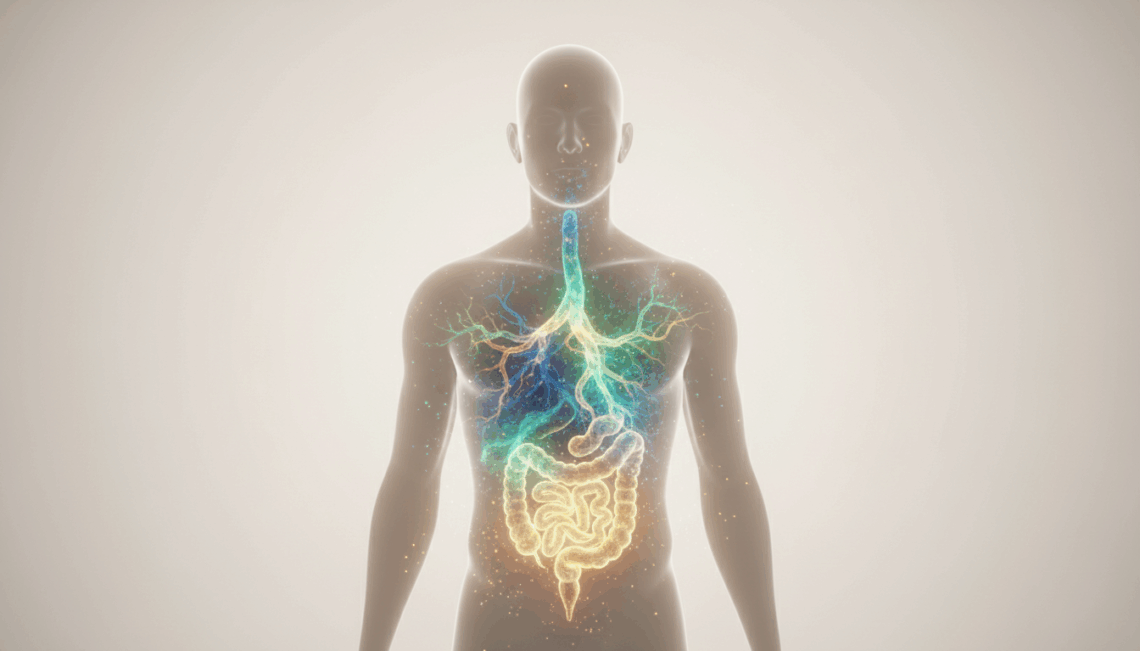
The gut is often called the “second brain” for a good reason. The gut-brain axis is a direct line of communication between your digestive system and your central nervous system. An unhealthy gut environment can lead to inflammation that affects cognitive function and mood, resulting in brain fog, difficulty concentrating, and even increased feelings of anxiety or depression.

What Causes an Unhealthy Gut?
Several factors in modern life can disrupt our delicate gut ecosystem. A diet high in processed foods, sugar, and unhealthy fats can feed harmful bacteria. Chronic stress is a major contributor, as it can decrease blood flow to the gut and increase inflammation. Other culprits include the overuse of antibiotics, which can wipe out beneficial bacteria, and a lack of regular physical activity.
How to Restore Gut Health: A Holistic Approach
The good news is that you have the power to improve your gut health. Restoring balance involves a multi-faceted approach that addresses diet, lifestyle, and targeted support. It’s not about a quick fix but about creating a sustainable environment where your gut can thrive.
Dietary Changes: Prebiotics and Probiotics
Start with your plate. Incorporate more fiber-rich foods like fruits, vegetables, and whole grains. These are prebiotics—the food that your good gut bacteria love to eat. Also, consider adding probiotic-rich foods like yogurt, kefir, kimchi, and sauerkraut. These foods introduce beneficial bacteria directly into your system, helping to crowd out the bad guys.
Lifestyle Adjustments: Stress and Sleep
You cannot ignore the impact of lifestyle on your gut. Prioritizing stress management through practices like meditation, deep breathing, or yoga can have a profound effect. Aim for 7-9 hours of quality sleep per night to allow your body, including your gut, to rest and repair. Regular, moderate exercise also helps promote a healthy gut by reducing stress and encouraging motility.
The Next Step: The Power of Postbiotics
While prebiotics and probiotics are essential, there is a new frontier in gut health that offers more direct support: postbiotics. Postbiotics are the beneficial compounds that probiotic bacteria produce. They include substances like short-chain fatty acids (e.g., butyrate), which are crucial for a healthy gut.
The main benefit of postbiotics is that they provide the “finished product” directly to your gut. For individuals whose gut lining is already compromised, this can be a game-changer. One of the most important postbiotics is tributyrin, a highly effective form of butyrate. It acts as the primary fuel source for the cells lining your colon, helping to strengthen the gut barrier and seal the “leaks.” A cutting-edge supplement like PrimeBiome is specifically formulated with tributyrin to deliver these postbiotic benefits, directly nourishing your gut lining and helping to restore its integrity.
Your Path to a Healthier, Happier Gut
Recognizing the signs of an unhealthy gut is the critical first step on your journey to wellness. By understanding that your bloating, skin issues, fatigue, and weight struggles may all stem from a single source, you can begin to address the root cause instead of just chasing symptoms. A holistic approach that combines a healthy diet, stress management, and the targeted support of advanced postbiotics can help you reclaim your health and restore balance from the inside out.