Understanding the Core of Your Well-being
It’s a feeling many people know all too well: a persistent sense of bloating, unpredictable digestion, and a frustrating inability to manage your weight, no matter how carefully you eat or exercise. You might feel sluggish, foggy, and just not like yourself. These aren’t just random inconveniences; they can often be crucial signals from your body. More and more, we are learning that these issues can be traced back to a single, central system: your gut. Recognizing the signs of an unhealthy gut is the first and most critical step toward reclaiming your energy, vitality, and overall health.
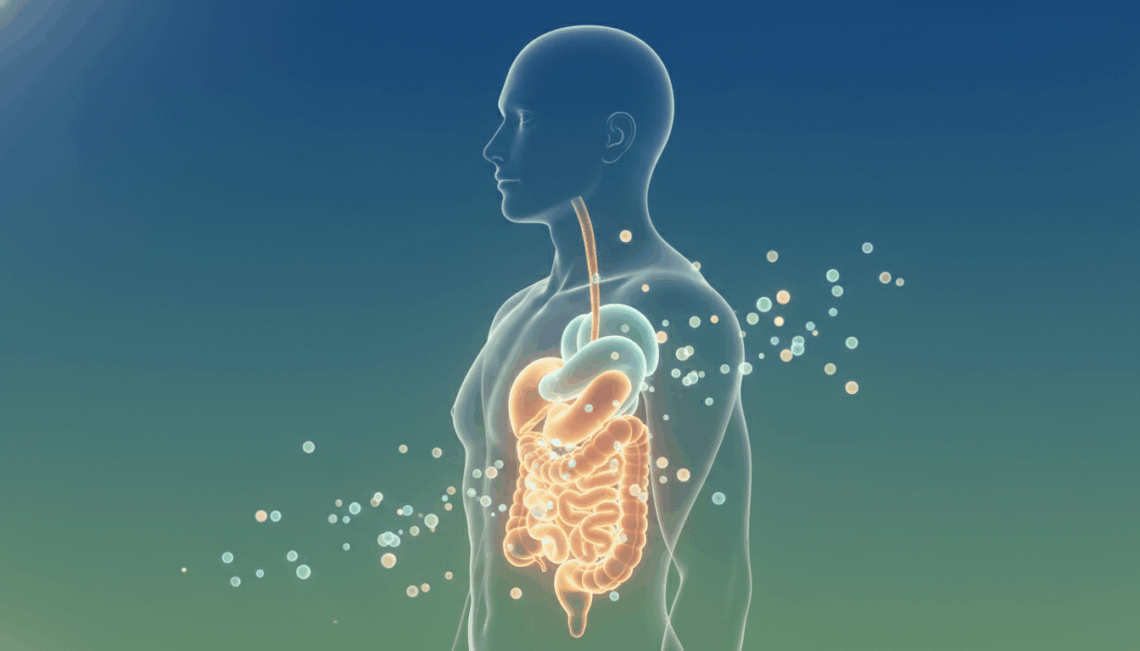
Your gut, often called the “second brain,” is a complex ecosystem of trillions of bacteria, fungi, and other microbes, collectively known as the microbiome. When this ecosystem is in balance, it works efficiently to digest food, absorb nutrients, regulate your immune system, and even influence your mood. However, when it’s thrown off balance—a condition known as dysbiosis—it can trigger a cascade of problems that affect your entire body. Let’s explore the most common signs that your gut may be asking for help.
Key Signs of an Unhealthy Gut to Watch For
1. Persistent Digestive Discomfort
This is perhaps the most obvious sign. If your gut is struggling, you’ll feel it right at the source. While occasional digestive upset is normal, persistent issues are a red flag.
- Gas and Bloating: Frequent, uncomfortable bloating that makes you feel full and swollen can indicate that your gut bacteria are having trouble breaking down certain foods, leading to fermentation and gas production.
- Constipation or Diarrhea: A healthy gut promotes regular, well-formed bowel movements. Chronic constipation or diarrhea points to an imbalance in the microbiome and potential inflammation in the digestive tract.
- Heartburn: While often associated with stomach acid, persistent heartburn can also be linked to an unhealthy gut environment, where pressure from bloating can affect the esophageal sphincter.
2. Unexpected Changes in Weight
Have you been gaining weight without changing your diet or exercise routine? Or perhaps you’re losing weight unintentionally? Your gut could be the culprit. An imbalanced microbiome can impair your body’s ability to absorb nutrients, regulate blood sugar, and store fat. Certain types of gut bacteria are more efficient at extracting calories from food, which can lead to weight gain. Conversely, an inflamed gut may not absorb nutrients properly, leading to weight loss.

3. Constant Fatigue and Poor Sleep
If you feel tired all the time, even after a full night’s sleep, your gut might be involved. The majority of your body’s serotonin, a hormone that affects mood and sleep, is produced in the gut. An unhealthy gut can disrupt serotonin production, leading to poor sleep quality and persistent fatigue. Furthermore, if your body is constantly fighting low-grade inflammation stemming from your gut, it diverts energy, leaving you feeling drained.
4. Skin Irritation and Problems
The gut-skin axis is a well-established connection. Inflammation in the gut caused by a poor diet or food allergies can lead to the “leaking” of certain proteins into the bloodstream, which can, in turn, irritate the skin and cause conditions like acne, eczema, or psoriasis. If you’re struggling with skin issues that don’t respond to topical treatments, it may be time to look inward at your gut health.
5. Food Intolerances
Food intolerances are different from food allergies. They occur when your digestive system has difficulty digesting certain foods, leading to symptoms like bloating, gas, diarrhea, and nausea. This can be the result of poor quality of gut bacteria. An unhealthy gut may lack the necessary enzymes or bacterial strains to break down specific food components effectively, leading to these uncomfortable reactions.
How to Address the Signs of an Unhealthy Gut
Recognizing the signs is the first step, but taking action is what truly matters. Restoring balance to your gut microbiome is a holistic process that involves several key lifestyle adjustments. It’s always recommended to consult with a healthcare professional before making significant changes, but these are widely recognized strategies for supporting gut health.
Dietary Adjustments
The food you eat is the most powerful tool for shaping your microbiome. Focus on a diet rich in whole, unprocessed foods.
- Increase Fiber Intake: Fiber feeds the beneficial bacteria in your gut. Incorporate plenty of fruits, vegetables, legumes, and whole grains.
- Eat Probiotic Foods: Fermented foods like yogurt, kefir, sauerkraut, and kimchi are rich in beneficial bacteria that can help replenish your gut.
- Limit Sugar and Processed Foods: High-sugar diets can feed harmful bacteria and promote inflammation, disrupting the delicate balance of your microbiome.
Lifestyle and Stress Management
Your mind and gut are deeply connected. High levels of stress can negatively impact your gut health. Incorporating stress-reduction techniques like meditation, deep breathing exercises, yoga, or even regular walks in nature can have a profound effect on your digestive well-being.
A Targeted Approach to Gut Wellness
While lifestyle and diet are the foundational pillars of gut health, sometimes your body needs more targeted support to restore balance. The modern diet, environmental toxins, and daily stress can make it difficult for your gut to recover on its own. This is where a well-formulated supplement can play a crucial role.
After understanding the common signs of an unhealthy gut, it becomes clear that simply managing symptoms isn’t enough. The goal should be to address the root cause: the imbalance in your microbiome. Formulations designed specifically to nourish beneficial gut bacteria and support the gut lining can offer a significant advantage.
One product gaining attention in this area is PrimeBiome. It’s designed with a blend of clinically-researched probiotics and postbiotics to help rebalance the gut ecosystem. By providing the specific strains needed to foster a healthy environment, it aims to help the body combat bloating, support healthy weight management, and promote clearer skin from the inside out. It’s not a magic pill, but a tool to complement the positive changes you make in your diet and lifestyle, helping you address the core issues behind your symptoms.
Frequently Asked Questions (FAQ)
How long does it take to improve gut health?
There is no one-size-fits-all answer. Some people may notice improvements in a few weeks with consistent dietary changes and supplementation, while for others, it may take several months. Consistency is key.
Can I improve my gut health through diet alone?
A healthy diet is non-negotiable for gut health. However, for those with significant imbalances, a targeted probiotic and postbiotic supplement can provide the specific bacterial strains needed to accelerate the rebalancing process more effectively than diet alone.
Is bloating always a sign of an unhealthy gut?
Occasional bloating, especially after a large or fiber-rich meal, is normal. However, chronic, painful, or persistent bloating that affects your daily life is a strong indicator that your gut microbiome may be out of balance.