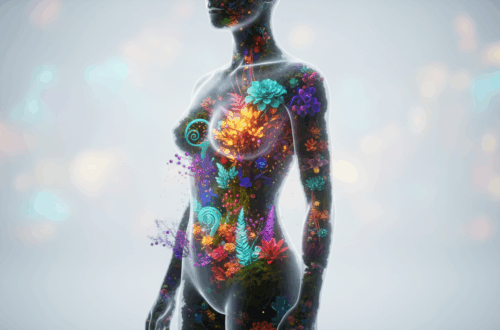
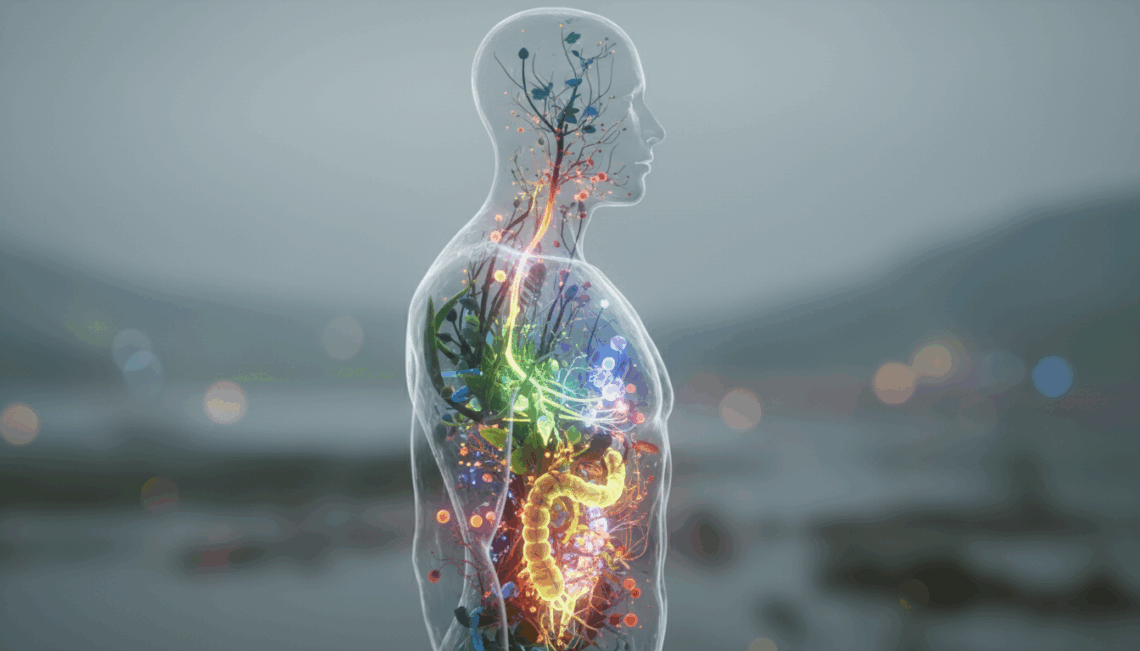
Do you ever feel like you’re doing everything right but getting no results? You choose salads over fries, hit the gym regularly, and prioritize your sleep, yet you’re still met with stubborn belly bloat, fatigue that won’t quit, and a number on the scale that just won’t budge. It’s a frustrating cycle, and it can make you feel like your own body is working against you. If this sounds familiar, the answer might not be in another diet or a more intense workout plan. The root of the problem could be hidden deep within your digestive system. Understanding the signs of an unhealthy gut is the first step toward finally breaking that cycle and achieving genuine wellness.
Your gut is far more than just a digestive tube; it’s a complex ecosystem, often called the “second brain,” teeming with trillions of bacteria, fungi, and other microbes. This is your gut microbiome. When this ecosystem is in balance, it supports everything from your immune system and mood to your metabolism and skin clarity. But when it’s out of balance, the consequences can ripple throughout your entire body, leading to the very issues you’re fighting so hard against.
What Exactly Is Gut Health?
Gut health refers to the balance and function of the bacteria in your gastrointestinal tract. A healthy gut contains a diverse range of beneficial bacteria that work to digest food, absorb nutrients, and protect against harmful pathogens. This delicate balance is crucial for overall health. When harmful bacteria begin to outnumber the beneficial ones, a condition known as dysbiosis occurs. This imbalance can lead to a “leaky gut,” where the intestinal lining becomes permeable, allowing toxins and undigested food particles to enter the bloodstream, triggering inflammation and a host of health problems.
Key Signs of an Unhealthy Gut You Shouldn’t Ignore
Your body has subtle (and sometimes not-so-subtle) ways of telling you that something is amiss in your gut. Recognizing these signals is crucial for taking proactive steps toward rebalancing your inner ecosystem.
1. Persistent Digestive Discomfort
This is the most obvious sign. Frequent gas, bloating, constipation, diarrhea, and heartburn are classic indicators that your gut is struggling. A healthy gut processes food efficiently with minimal discomfort. If you find yourself constantly battling these issues, it’s a clear signal that your microbiome is out of balance.
2. Unexplained Weight Changes
If you’re gaining or losing weight without making significant changes to your diet or exercise routine, your gut could be the culprit. An imbalanced gut can impair your body’s ability to absorb nutrients, regulate blood sugar, and store fat. It can also lead to inflammation, which is closely linked to obesity and metabolic issues. For many, an unhealthy gut makes it incredibly difficult to lose weight, no matter how much they diet and exercise.
3. Constant Fatigue and Sleep Disturbances
Do you feel tired all the time, even after a full night’s sleep? A significant portion of your body’s serotonin, a hormone that affects mood and sleep, is produced in the gut. An unhealthy gut can interfere with this production, leading to insomnia, poor sleep quality, and chronic fatigue. Furthermore, the constant low-grade inflammation from a leaky gut can drain your energy reserves.
4. Skin Irritation and Problems
Your skin is often a mirror of what’s happening inside your gut. Conditions like eczema, psoriasis, acne, and rosacea have all been linked to gut inflammation. When the gut is leaky, inflammatory proteins can enter the bloodstream and trigger skin flare-ups.

What Causes an Unhealthy Gut?
Several factors in modern life can disrupt the delicate balance of our gut microbiome. A diet high in processed foods, sugar, and unhealthy fats can feed harmful bacteria, allowing them to thrive. Chronic stress is another major contributor, as it can increase gut inflammation and negatively impact beneficial microbes. Other factors include poor sleep, the overuse of antibiotics (which can wipe out good bacteria along with the bad), and a sedentary lifestyle.
How to Restore and Support Your Gut Health
The good news is that you have the power to improve your gut health. The journey starts with simple, consistent lifestyle changes. A diet rich in fiber from fruits, vegetables, and whole grains provides “prebiotics,” which are food for your beneficial gut bacteria. Reducing stress through practices like meditation and yoga, prioritizing 7-9 hours of quality sleep per night, and staying hydrated are all fundamental steps.
Consider Advanced Gut Support: The Role of Postbiotics
While probiotics (live beneficial bacteria) and prebiotics (food for bacteria) are well-known, there’s a third, crucial component to gut health: postbiotics. Postbiotics are the beneficial compounds that probiotics produce when they digest prebiotics. These compounds include substances like short-chain fatty acids, specifically butyrate.
Butyrate is the primary fuel source for the cells that line your colon. It helps maintain the integrity of the gut lining, which is essential for preventing a leaky gut. By directly nourishing the gut wall, postbiotics help strengthen this critical barrier, reduce inflammation, and support a healthy microbial balance.
For individuals dealing with the persistent signs of an unhealthy gut, directly supplementing with a postbiotic formula can be a game-changer. A solution like PrimeBiome focuses on delivering Tributyrin, a highly effective form of butyrate, directly to the colon. This approach helps to soothe the digestive system and reinforce the gut lining, addressing the core issues that lead to bloating, discomfort, and other symptoms of an imbalanced microbiome.
Your Path to a Healthier Gut
Feeling your best starts from within. By paying attention to the signs your body is sending you and taking proactive steps to support your gut, you can address the root cause of issues like persistent bloating, unexplained weight gain, and low energy. A balanced diet, stress management, and targeted support with advanced postbiotics can work together to restore harmony to your inner ecosystem.
It’s time to stop the frustrating cycle and start a new journey toward balanced digestive wellness. Listening to your gut is the first step toward reclaiming your vitality and feeling truly healthy, inside and out. As always, it’s recommended to consult with a healthcare professional before starting any new supplement regimen to ensure it’s the right choice for your individual needs.
Frequently Asked Questions (FAQ)
What is the main difference between probiotics and postbiotics?
Probiotics are live beneficial bacteria, while postbiotics are the beneficial compounds these bacteria create. Think of it this way: probiotics are the workers, and postbiotics are the finished products that provide direct benefits to your gut lining. Supplementing with postbiotics delivers these benefits directly without needing to be fermented first.
How long does it typically take to see improvements in gut health?
This can vary greatly depending on the individual, their diet, and their lifestyle. Some people may notice improvements in digestion and energy levels within a few weeks of making positive changes, while for others it might take a few months. Consistency is key.
Can I improve my gut health through diet alone?
A healthy diet is the foundation of good gut health, and for many people, it’s enough. However, for those with significant gut imbalance or persistent symptoms, a targeted supplement like a postbiotic can provide additional support to help repair the gut lining and restore balance more efficiently.