What Are the Signs of an Unhealthy Gut?
You eat well, you try to exercise, and you get enough sleep, but something still feels off. You might be dealing with persistent bloating, stubborn weight that won’t budge, or a general sense of fatigue that clouds your day. If this sounds familiar, the answer might not be in another diet or workout plan, but deep within your digestive system. These could be the first signs of an unhealthy gut, a problem that affects more than just digestion.
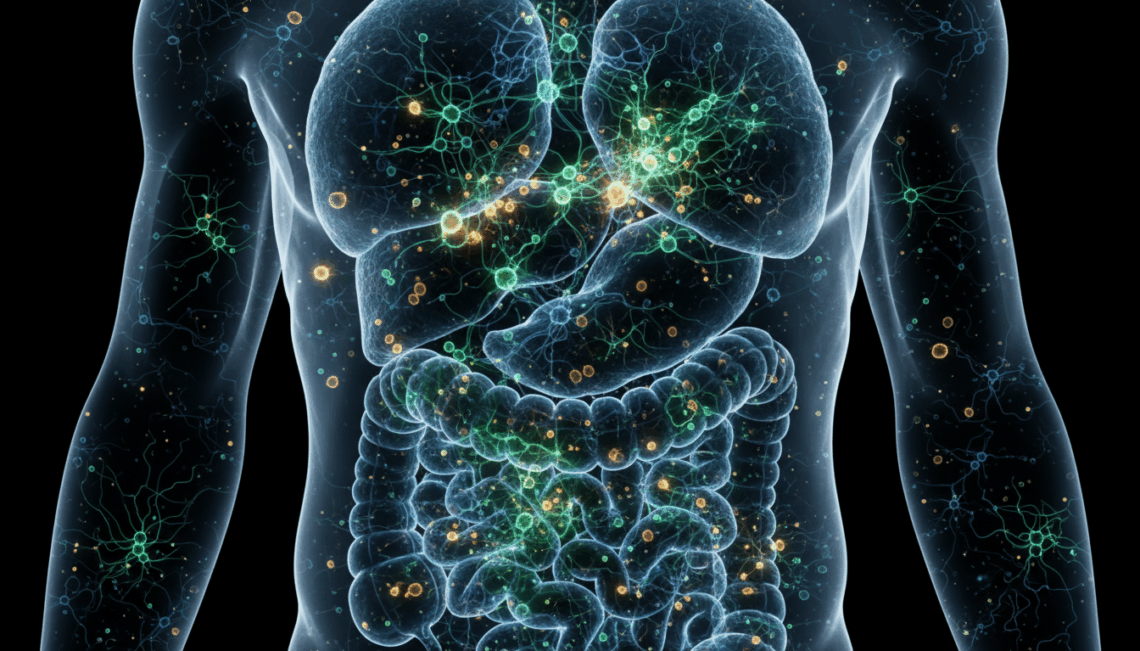
Your gut, often called the “second brain,” is home to trillions of microorganisms known as the gut microbiome. This complex ecosystem plays a crucial role in your overall health, influencing everything from your immune system and mood to your skin and weight. When this delicate balance is disrupted, it can send ripple effects throughout your entire body. Understanding these warning signs is the first step toward restoring balance and reclaiming your well-being.
What is Gut Health and Why Does It Matter So Much?
Before diving into the symptoms, it’s important to understand what “gut health” really means. It refers to the optimal balance and function of the bacteria in your gastrointestinal tract. A healthy gut has a diverse population of beneficial microbes that work to digest food, absorb nutrients, produce essential vitamins, and protect you from pathogens.
This microbiome acts as a gatekeeper, controlling what enters your bloodstream. When the gut lining is strong, it allows nutrients in while keeping toxins and harmful bacteria out. However, factors like a poor diet, chronic stress, and certain medications can disrupt this balance, leading to a condition sometimes called “leaky gut,” where the gut lining becomes permeable. This can trigger inflammation and a cascade of health issues far beyond simple stomach aches.
7 Common Signs of an Unhealthy Gut You Shouldn’t Ignore
Your body has a way of sending signals when something isn’t right. If you’re experiencing one or more of the following issues regularly, it might be time to pay closer attention to your gut health.
1. Persistent Digestive Issues
This is the most obvious sign. Frequent gas, bloating, constipation, diarrhea, and heartburn are classic indicators that your gut is struggling. While it’s normal to experience these occasionally, having them as a part of your daily life is a red flag. These symptoms often mean your gut is having a hard time processing food and eliminating waste efficiently, which can be due to an imbalance of good and bad bacteria.
2. Unexplained Weight Changes
Gaining or losing weight without making significant changes to your diet or exercise routine can be one of the more surprising signs of an unhealthy gut. An imbalanced microbiome can impair your body’s ability to absorb nutrients, regulate blood sugar, and store fat. Some types of gut bacteria are more efficient at harvesting calories from food, which can lead to weight gain. Conversely, a damaged gut lining can lead to malabsorption and unintentional weight loss.
3. Constant Fatigue and Poor Sleep
Do you feel tired all the time, even after a full night’s sleep? Your gut could be the culprit. A significant portion of your body’s serotonin, a hormone that affects mood and sleep, is produced in the gut. An unhealthy gut can disrupt its production, leading to insomnia or poor-quality sleep. This, in turn, creates a cycle of fatigue that can be difficult to break.
4. Skin Irritation and Problems
Your skin is often a mirror of your internal health. Chronic skin conditions like eczema, psoriasis, acne, and rosacea have been linked to gut inflammation. When the gut is “leaky,” inflammatory proteins and toxins can enter the bloodstream and travel to the skin, triggering irritation and flare-ups. If you’ve tried every topical cream without success, the root cause might be internal.

5. Food Intolerances or Sensitivities
Developing new difficulties digesting certain foods can be a sign of a compromised gut. Unlike a true food allergy, which is an immune system response, food intolerances are often a digestive system issue. This may be caused by a lack of certain beneficial bacteria needed to break down specific foods, leading to symptoms like bloating, gas, and abdominal pain after eating things you previously handled with no issue.
6. Mood Swings, Anxiety, and Mental Fog
The gut-brain axis is a powerful connection. An unhealthy gut can contribute to mood disorders, including anxiety and depression, as well as difficulty concentrating or “brain fog.” As mentioned, the gut produces a large amount of serotonin, the “feel-good” neurotransmitter. When production is off, your mental well-being can be directly impacted. Inflammation originating in the gut can also affect brain function.
7. Frequent Colds or Weak Immunity
A significant portion of your immune system resides in your gut. The beneficial bacteria in your microbiome are a crucial first line of defense against pathogens. If your gut is unhealthy, your immune response may be weakened, making you more susceptible to catching colds, the flu, and other infections. If you feel like you’re always getting sick, it could be a sign that your gut needs support.
The Root Cause: What Disrupts Your Gut Balance?
Several factors in modern life can throw your gut microbiome out of whack. A diet high in processed foods, sugar, and unhealthy fats feeds harmful bacteria, allowing them to overpower the beneficial ones. Chronic stress is another major contributor, as it can increase gut inflammation. Other common culprits include the overuse of antibiotics (which can wipe out good bacteria along with the bad), lack of regular physical activity, and insufficient sleep.
How to Restore Gut Health and Feel Better
The good news is that you have the power to improve your gut health. Making targeted lifestyle changes can help you repopulate beneficial bacteria, repair your gut lining, and alleviate the very signs of an unhealthy gut you’ve been experiencing.
Focus on a Whole-Foods, Fiber-Rich Diet
Start by nourishing your good bacteria. Prioritize a diverse diet rich in fiber from fruits, vegetables, legumes, and whole grains. Fermented foods like yogurt, kefir, kimchi, and sauerkraut are excellent sources of natural probiotics. At the same time, try to minimize your intake of sugar, artificial sweeteners, and highly processed foods that feed harmful microbes.
Reduce Stress and Prioritize Sleep
You cannot heal your gut without addressing stress. Incorporate stress-management techniques into your daily routine, such as meditation, deep breathing exercises, yoga, or spending time in nature. Aim for 7-8 hours of quality sleep per night, as this is when your body, including your gut, performs its most critical repair work.
Consider a Targeted Postbiotic Supplement
While probiotics (live bacteria) and prebiotics (fiber that feeds them) are well-known, a new frontier in gut health is emerging: postbiotics. Postbiotics are the beneficial compounds that probiotics produce when they digest fiber. These substances include short-chain fatty acids like butyrate, which is the primary fuel source for the cells lining your colon.
Taking a postbiotic supplement directly provides your gut with these healing compounds, helping to strengthen the gut barrier, reduce inflammation, and support a healthy microbiome. For those dealing with significant gut issues, a targeted formula like PrimeBiome can provide comprehensive support. It is designed with ingredients that deliver these beneficial postbiotics directly to where they are needed most, helping to address the root causes of digestive discomfort and support overall wellness.
In conclusion, listening to your body is paramount. The signs of an unhealthy gut are not just minor annoyances; they are important signals that your internal ecosystem needs attention. By making conscious dietary changes, managing stress, and considering targeted support, you can restore balance to your digestive system and experience profound improvements in your overall health and vitality.
Frequently Asked Questions (FAQ)
What is the difference between prebiotics, probiotics, and postbiotics?
Think of it like a garden. Prebiotics are like fertilizer (fiber that feeds good bacteria). Probiotics are the seeds (the live, beneficial bacteria themselves). Postbiotics are the fruits and vegetables that the garden produces (the beneficial compounds created by the bacteria). Postbiotics directly support the health of your gut lining.
How long does it take to heal your gut?
The timeline for improving gut health varies greatly from person to person, depending on the severity of the imbalance and the consistency of your lifestyle changes. Some people may notice improvements in a few weeks, while for others, it may take several months. Consistency is key.
Can gut health really affect my mental state?
Absolutely. The gut-brain axis is a bidirectional communication network. An imbalanced gut can send inflammatory signals to the brain and disrupt the production of key neurotransmitters like serotonin, potentially impacting mood, anxiety levels, and cognitive function.
Disclaimer: The information in this article is for educational purposes only and is not intended as medical advice. Please consult with a qualified healthcare professional before making any decisions about your health or treatment.