
Do you ever feel like you’re doing everything right, but your digestive system is still in chaos? You eat well, you try to manage stress, yet bloating, gas, and discomfort are your constant companions. It’s a frustrating cycle, and often, it’s your body’s way of sending out an S.O.S. These are more than just minor annoyances; they can be clear signs of an unhealthy gut, signaling that something deeper is out of balance.
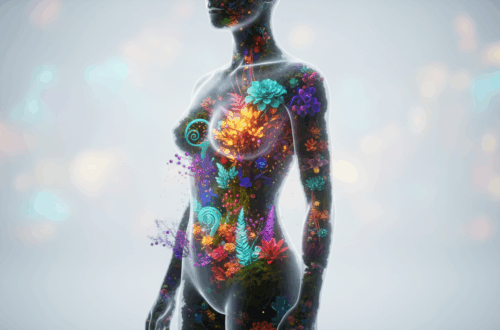
The gut, often called our “second brain,” is a complex ecosystem responsible for much more than just digestion. It influences our mood, immune system, skin clarity, and energy levels. When this internal environment is compromised, the ripple effects can be felt throughout the body. Understanding these warning signs is the first crucial step toward restoring balance and reclaiming your well-being.
The Obvious Red Flags: Common Digestive Woes
These are the symptoms that are most commonly associated with gut issues. While occasional discomfort is normal, persistent problems warrant closer attention as they are primary signs of an unhealthy gut.
- Constant Bloating and Gas: Feeling puffy and gassy after every meal isn’t normal. This often indicates that your gut bacteria are struggling to break down food properly, leading to fermentation and excess gas production.
- Irregular Bowel Movements: Whether it’s constipation or diarrhea, any significant deviation from a regular, comfortable daily routine can signal an imbalance in your gut microbiome.
- Heartburn and Acid Reflux: While often blamed on excess stomach acid, heartburn can sometimes be a sign of poor gut motility and bacterial overgrowth in the small intestine.
- Food Sensitivities: Suddenly reacting to foods you used to eat without issue? This can happen when the gut lining becomes compromised, a condition often referred to as “leaky gut,” which allows food particles to enter the bloodstream and trigger an immune response.
Beyond the Belly: The Surprising Signs of an Unhealthy Gut
The health of your gut is not confined to your digestive tract. Its influence is far-reaching, and sometimes the most telling signs appear in seemingly unrelated parts of the body. Paying attention to these signals is key to identifying a deeper issue.
1. Skin Irritation and Blemishes
Your skin is often a mirror of your internal health. Persistent acne, eczema, rosacea, or general inflammation can be linked to gut problems. When the gut lining is compromised, inflammatory proteins can “leak” into the bloodstream, triggering skin flare-ups.
2. Persistent Fatigue and Brain Fog
If you feel tired all the time, even after a full night’s sleep, your gut could be the culprit. An unhealthy gut struggles to absorb essential nutrients, leading to deficiencies that drain your energy. Furthermore, chronic gut inflammation can trigger the release of cytokines that contribute to fatigue and that “foggy” feeling.
3. Mood Swings, Anxiety, and Depression
Did you know that up to 90% of your body’s serotonin, the “feel-good” neurotransmitter, is produced in your gut? An imbalance in gut bacteria can directly impact neurotransmitter production, affecting your mood, increasing anxiety, and contributing to feelings of depression.
4. Unexplained Weight Changes
Struggling to lose weight or experiencing unintentional weight gain without changes to your diet or exercise routine? An unhealthy gut can impair your body’s ability to regulate blood sugar, store fat, and absorb nutrients, all of which can lead to frustrating weight fluctuations.
Why Probiotics Might Not Be Enough
For years, the go-to advice for gut health has been to take probiotics. The logic is simple: add more “good” bacteria to crowd out the “bad.” While probiotics can be beneficial for some, they often fail to address the root cause for many people. Think of it like this: if the walls of your gut lining are damaged and “leaky,” simply pouring more good bacteria into it is like trying to plant a garden in cracked, barren soil. The seeds won’t take root, and the benefits will be temporary at best. The real issue isn’t just the balance of bacteria; it’s the integrity of the gut barrier itself.

The Next Step: Supporting the Gut Barrier with Postbiotics
This is where the conversation around gut health is evolving. If probiotics are the seeds, and prebiotics are the fertilizer, then postbiotics are the tools that repair the soil itself. Postbiotics are the beneficial compounds that probiotic bacteria produce when they break down prebiotic fibers. These compounds, such as butyrate, are the “active ingredients” that directly nourish and strengthen the cells of your gut lining.
Tributyrin: A Superior Form of Gut Fuel
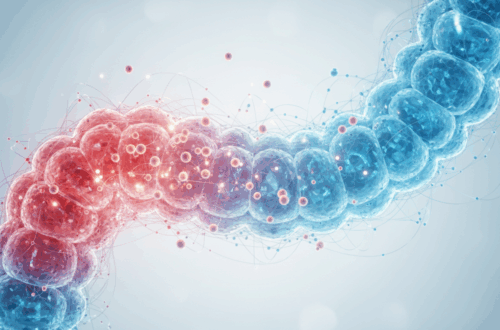
One of the most important postbiotics is butyrate. It’s the primary fuel source for the cells lining your colon. A well-fueled gut lining is strong, tight, and able to do its job of keeping toxins and undigested food particles out of your bloodstream. The problem is that getting butyrate directly to your colon is difficult. This is where a compound called Tributyrin comes in. It’s a time-released form of butyrate that is designed to travel through the digestive system and deliver its healing power directly to the lower gut where it’s needed most.
How to Support Your Gut Health Naturally
Before considering any supplement, it’s vital to build a strong foundation with diet and lifestyle. Here are some actionable steps you can take:
- Eat a Diverse, Fiber-Rich Diet: Aim for a wide variety of fruits, vegetables, and whole grains to feed a diverse range of beneficial gut bacteria.
- Manage Stress: Chronic stress can wreak havoc on your gut. Incorporate practices like meditation, deep breathing, or yoga into your daily routine.
- Prioritize Sleep: Aim for 7-9 hours of quality sleep per night. Poor sleep can negatively impact your gut microbiome.
- Stay Hydrated: Drinking plenty of water is essential for maintaining the mucosal lining of the intestines and promoting the balance of good bacteria.
When a Targeted Approach is Needed
For many, diet and lifestyle changes are a great start but don’t fully resolve the persistent signs of an unhealthy gut. If you’ve tried probiotics without success and feel like your gut lining needs serious reinforcement, a targeted postbiotic approach may be the missing piece of the puzzle. This is where a supplement like PrimeBiome can be incredibly effective.
PrimeBiome is formulated with Tributyrin, the advanced form of butyrate, to directly nourish and help repair the gut barrier. It bypasses the need to hope that probiotics will produce enough butyrate and instead delivers the finished product right where it’s needed. This helps to seal the “leaks,” reduce inflammation, and create a healthy environment where a balanced microbiome can finally thrive. It addresses the structure of the gut itself, providing a foundation for lasting relief from bloating, gas, and discomfort.
Conclusion: Listen to Your Body’s Signals
The signs of an unhealthy gut are your body’s way of asking for help. Instead of just masking symptoms, it’s time to address the root cause: the health and integrity of your gut barrier. By understanding the limitations of traditional approaches and exploring the benefits of postbiotics like Tributyrin, you can take a more effective step towards calming your digestive system and improving your overall health. True wellness begins in the gut, and giving it the right support can make all the difference.
Frequently Asked Questions
What is the main difference between probiotics and postbiotics?
Probiotics are live beneficial bacteria. Postbiotics are the beneficial compounds these bacteria produce. While probiotics add more bacteria to your system, postbiotics provide the “active ingredients” that directly fuel and repair your gut lining, making them a more direct approach to improving gut barrier function.
How long does it take to see improvements in gut health?
This varies for everyone. Some people may notice improvements in bloating and discomfort within a couple of weeks, while for others with more significant gut issues, it may take one to two months to experience the full benefits as the gut lining repairs and inflammation subsides.
Can I take a postbiotic supplement with my current probiotic?
Generally, yes. Taking a postbiotic like Tributyrin alongside a probiotic can be a complementary strategy. The postbiotic works on repairing the gut lining (the “soil”), while the probiotic adds beneficial bacteria (the “seeds”). However, it’s always best to consult with your healthcare provider before adding new supplements to your routine.