If you’ve ever looked in the mirror and felt a sense of frustration at the small, dark spots that seem to appear out of nowhere, you’re not alone. Often called age spots, liver spots, or solar lentigines, these persistent marks can be a significant source of self-consciousness. You might be wondering how to get rid of age spots after trying countless creams and serums with little to no success. It’s a common struggle, but the solution may lie in understanding what truly causes them in the first place.
Many people believe these spots are an inevitable part of aging, a permanent reminder of the years gone by. But what if they weren’t? What if the reason typical solutions fail is that they only address the surface of the problem? This article will take a deeper look into the cellular mechanisms behind age spots and explore a more effective path to achieving clearer, more even-toned skin.
What Are Age Spots, Really?
Before we can tackle how to get rid of them, it’s important to understand what these spots are. Medically known as solar lentigines, age spots are flat, oval areas of increased pigmentation. They are typically tan, brown, or black and vary in size. They most often appear on areas of the skin that have had the most sun exposure over the years, such as the face, hands, shoulders, and arms.
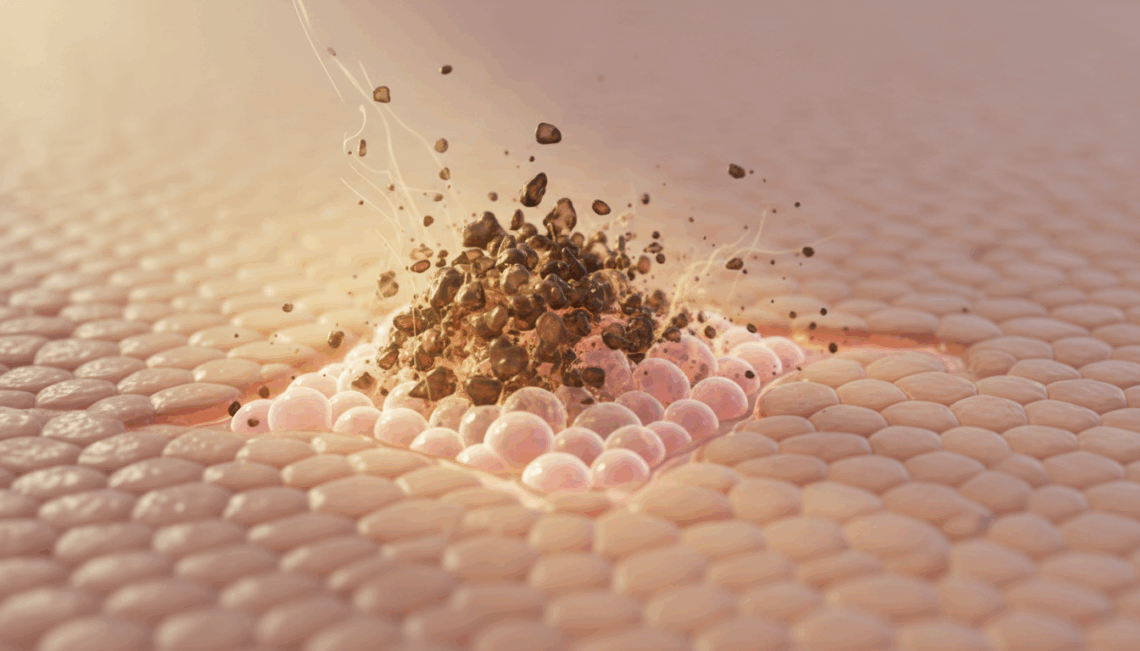
At a microscopic level, an age spot is simply a concentrated cluster of melanin, the pigment that gives our skin its color. When our skin is exposed to ultraviolet (UV) light from the sun, it produces more melanin to protect itself from damage. After years of sun exposure, this melanin production can go into overdrive in certain areas, causing the pigment to clump together and form the spots we see.
The Primary Culprit: Sun Exposure and Melanin
The number one cause of age spots is, without a doubt, cumulative exposure to the sun’s UV rays. Every moment you’ve spent in the sun without protection—from childhood beach days to daily commutes—adds up. The UV radiation accelerates the production of melanin. While a tan fades, the long-term effect is the creation of these concentrated pigment deposits.
This is why dermatologists are so adamant about daily sunscreen use. It’s not just about preventing sunburn; it’s about preventing the long-term photoaging that leads to wrinkles, fine lines, and, of course, age spots. While genetics and natural aging play a role, UV exposure is the primary accelerator.
Why Aren’t My Standard Creams Working?
This is the question that plagues so many. You buy a promising “dark spot corrector” or a “brightening serum,” use it diligently, and see minimal results. There are a few reasons for this common experience:
- Surface-Level Action: Many products contain ingredients that only work on the very top layer of the skin. They might slightly lighten the surface pigmentation, but they don’t address the deep-seated cluster of melanin causing the spot.
- Lack of Potency: Over-the-counter products often have lower concentrations of active ingredients compared to prescription treatments, which may not be enough to make a significant impact on stubborn spots.
- Ignoring the Root Cause: Most importantly, these creams don’t address the underlying cellular dysfunction that allows these pigment clusters to form and persist. They are essentially trying to clean a stain without turning off the source.

The Hidden Cause: A Deeper Cellular Issue
Recent research suggests there’s more to the story than just melanin. The persistence of age spots may be linked to a natural cellular cleanup process called mitophagy. Think of your cells like tiny, bustling cities. Over time, they accumulate waste and damaged components, including dysfunctional mitochondria (the “powerhouses” of the cell).
Mitophagy is the body’s way of identifying and removing this cellular debris, keeping the cells healthy and functional. However, as we age, this process can become less efficient. When this cleanup crew slows down, cellular waste can accumulate. Some theories propose that stubborn, dark age spots—sometimes referred to as “D-Spots”—are not just clumps of melanin but are also intertwined with this accumulated cellular debris. This creates a dense, “pebble-like” deposit under the skin that is incredibly difficult for the body to clear on its own.
This is why surface creams fail. They can’t penetrate deep enough or trigger the specific biological process needed to break down this complex deposit. To truly address these spots, you need to support the body’s natural ability to clear out this deep-seated waste.
How to Support Your Skin’s Natural Clearing Process
If you truly want to understand how to get rid of age spots, the focus must shift from surface-level bleaching to supporting deeper cellular health. This involves a two-pronged approach: protecting the skin from further damage and providing targeted support for its natural renewal processes.
1. Consistent Sun Protection
This is non-negotiable. If you aren’t protecting your skin from the primary cause, any treatment will be an uphill battle. Use a broad-spectrum sunscreen with an SPF of 30 or higher every single day, regardless of the weather. This prevents existing spots from darkening and new ones from forming.
2. A Targeted Approach to Cellular Cleanup
The key to tackling stubborn spots lies in supporting the mitophagy process. One of the most promising natural compounds in this area is Ursolic Acid. This powerful botanical compound, notably found in the peels of unripe green apples, has been studied for its ability to support the body’s natural cellular cleanup systems.
By promoting efficient mitophagy, Ursolic Acid can help the skin break down and clear away the deep-seated debris that forms the core of a persistent age spot. This isn’t about bleaching the skin; it’s about helping your skin heal and renew itself from within.
Introducing Mitolyn: A Novel Approach
Understanding this science is one thing; finding a practical solution is another. This is where a product like Mitolyn comes in. It was specifically formulated based on this cutting-edge understanding of what causes age spots to persist.
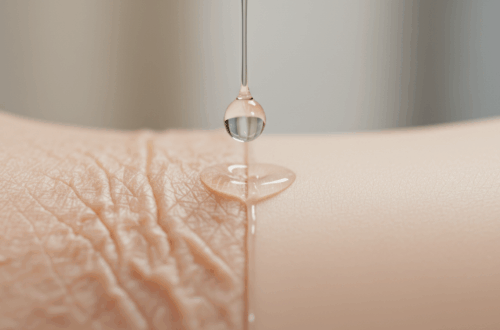
Mitolyn is a serum that features Ursolic Acid as its star ingredient, derived from potent unripe green apples. It is designed to be applied directly to age spots on the face, hands, and body. Its purpose is to work with your skin to support the natural mitophagy process, helping to break down those stubborn “pebble-like” deposits that other creams can’t touch.
By targeting the root cause—the accumulation of cellular waste—Mitolyn offers a fundamentally different and more logical approach. It aims to restore the skin’s natural ability to clear itself, resulting in the gradual fading of dark spots and a more even, youthful-looking complexion. You can learn more about Mitolyn and its unique formulation here.
Setting Realistic Expectations
Age spots form over decades, so it’s realistic to expect that they will take time to fade. Consistency is crucial. Whether you are using a targeted serum, a prescription treatment, or any other method, you must apply it diligently as directed. Improvement is a gradual process that involves the slow breakdown of pigment and cellular debris. Be patient with your skin, protect it from the sun, and support its health from the inside out.
Disclaimer: This article is for informational purposes only. Always consult with a qualified dermatologist or healthcare provider before starting any new skincare treatment, especially if you have concerns about changes in your skin.
In conclusion, the journey to clearer skin begins with understanding that age spots are more than just a surface issue. They are a sign of long-term sun exposure and a slowdown in the skin’s natural cleanup processes. By protecting your skin and using targeted solutions that support cellular health, you can finally address the root cause and achieve the radiant, even-toned skin you deserve.
Frequently Asked Questions About Age Spots
Are age spots dangerous?
In themselves, typical age spots (solar lentigines) are harmless and do not require medical treatment. However, it’s crucial to monitor your skin for any changes. If a spot is dark, has irregular borders, changes in size or color, or starts to itch or bleed, it’s essential to see a dermatologist immediately to rule out skin cancer, such as melanoma.
Can age spots be completely removed?
With consistent and targeted treatment, age spots can be significantly faded, often to the point where they are barely visible. Complete removal depends on the depth of the pigment and the treatment method. Professional treatments like lasers can often remove them, while topical solutions can lead to dramatic fading over time.
Where do age spots most commonly appear?
They appear most frequently on parts of the body that receive the most sun. This includes the face, the back of the hands, the forearms, the shoulders, and the upper back. These are the areas where cumulative sun damage is highest.