
If you’re constantly battling the bulge and a swollen, uncomfortable belly, you’ve likely tried everything. You cut calories, increase your exercise, and drink plenty of water, yet the scale and the bloating remain stubbornly in place. It’s a frustrating cycle that can leave you feeling hopeless. But what if the root of the problem isn’t just what you eat, but what’s living inside you? Understanding the true causes of bloating and weight gain often requires looking deeper—into the complex world of your gut microbiome.
What Exactly Is the Gut Microbiome?
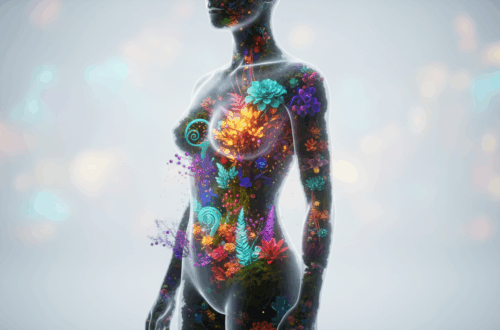
Think of your gut as a bustling city populated by trillions of microorganisms, including bacteria, fungi, and viruses. This community is known as the gut microbiome. In a healthy state, this city is a harmonious place where beneficial bacteria thrive. These “good” microbes are essential for your health. They help digest food, produce critical vitamins, regulate your immune system, and even influence your mood.
However, this delicate ecosystem can be disrupted. Just as a city can be affected by pollution or crime, your gut can be thrown off balance. This is where the problems often begin.
The Imbalance: When “Zombie Bacteria” Take Over
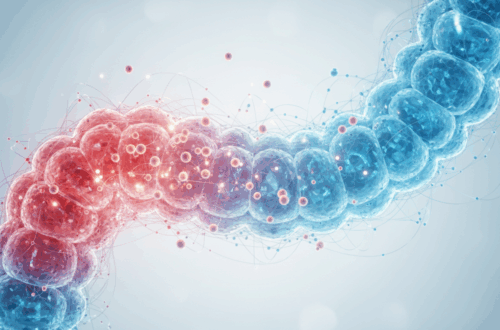
An imbalance in your gut, known as dysbiosis, occurs when harmful or “bad” bacteria start to outnumber the beneficial ones. These opportunistic microbes are sometimes referred to as “zombie bacteria” because they can stubbornly persist, draining your energy and disrupting your body’s normal functions. This takeover can be triggered by several factors:
- A Diet High in Processed Foods: Sugary, high-fat, and low-fiber foods are a feast for harmful bacteria, allowing them to multiply rapidly.
- Chronic Stress: High stress levels can negatively impact the gut environment, favoring the growth of unwanted microbes.
- Lack of Sleep: Poor sleep patterns can disrupt the natural rhythms of your gut, contributing to dysbiosis.
- Use of Antibiotics: While necessary for fighting infections, antibiotics can wipe out both good and bad bacteria, leaving a void that harmful microbes can quickly fill.
How Gut Imbalance Causes Bloating and Weight Gain
So, how does this internal imbalance translate to external symptoms like a bloated belly and extra pounds? The connection is surprisingly direct.
The Bloating Connection
One of the primary functions of gut bacteria is fermentation, a process where they break down undigested food components, like fiber. While beneficial bacteria do this efficiently, harmful bacteria are not so clean. When they ferment starches and sugars, they often produce an excessive amount of gas as a byproduct. This excess gas gets trapped in your digestive tract, leading to the painful pressure, swelling, and discomfort we call bloating.
The Weight Gain Connection
The link to weight gain is more complex but just as significant. An unhealthy gut microbiome can influence your weight in several ways:
- Increased Calorie Absorption: Some studies suggest that the microbiome composition in individuals with obesity is more efficient at extracting calories from food. This means that two people could eat the exact same meal, but the person with an imbalanced gut might absorb more calories from it.
- Influencing Cravings: Harmful bacteria thrive on sugar and processed foods. It is believed they can send signals to your brain that increase cravings for these very foods, creating a vicious cycle of eating poorly and feeding the bad microbes.
- Triggering Inflammation: An overgrowth of “zombie bacteria” can lead to low-grade, chronic inflammation throughout the body. This inflammation is strongly linked to insulin resistance, a condition that makes it much easier to store fat, particularly around the abdomen.

Common Signs Your Gut Health Needs Attention
Bloating and weight gain are two of the most prominent signs, but an unhappy gut can manifest in numerous ways. If you experience any of the following, it might be time to focus on your digestive wellness:
- Persistent Digestive Issues: Beyond bloating, this includes gas, constipation, diarrhea, or heartburn.
- Chronic Fatigue: Feeling tired all the time, even after a full night’s sleep.
- Skin Problems: Conditions like eczema, acne, or rosacea can have roots in gut inflammation.
- Food Sensitivities: Suddenly reacting to foods you previously ate without issue.
- Brain Fog: Difficulty concentrating or feeling mentally sluggish.
How to Restore Your Gut Balance Naturally
The good news is that you have the power to improve your gut health. While it takes time and consistency, simple lifestyle changes can make a profound difference in shifting the balance back in favor of beneficial bacteria.
1. Eat a Diverse, Fiber-Rich Diet
Fiber is the primary food source for your good gut bacteria. Focus on incorporating a wide variety of plant-based foods into your diet, such as fruits, vegetables, legumes, and whole grains. This feeds the good microbes and helps them thrive.
2. Incorporate Probiotic and Prebiotic Foods
Probiotics are live beneficial bacteria found in fermented foods like yogurt, kefir, sauerkraut, and kimchi. Prebiotics are the fibers that feed these bacteria, found in foods like garlic, onions, bananas, and asparagus. Including both is key to a healthy gut.
3. Manage Your Stress Levels
Finding healthy ways to cope with stress is crucial for your gut. Practices like meditation, yoga, deep breathing exercises, or even just taking a walk in nature can help calm your nervous system and, in turn, your digestive system.
4. Prioritize Sleep and Hydration
Aim for 7-9 hours of quality sleep per night to allow your body and gut to rest and repair. Additionally, drinking plenty of water is essential for maintaining the mucosal lining of the intestines and promoting the balance of good bacteria.
A Targeted Approach to Rebalancing Your Microbiome
Lifestyle changes are the foundation of good gut health. However, for those dealing with a stubborn imbalance, it can be difficult to get back on track with diet alone. This is where a targeted supplement can provide crucial support. A high-quality probiotic and prebiotic formula can help repopulate your gut with beneficial organisms and provide the fuel they need to flourish.
One such formula is PrimeBiome, which is specifically designed to address the “zombie bacteria” overgrowth that contributes to so many frustrating health issues. It provides a potent blend of beneficial bacterial strains and supporting ingredients to help restore harmony to your gut, tackle the root causes of bloating and weight gain, and support your overall well-being.
By combining healthy lifestyle choices with a targeted approach like PrimeBiome, you can give your body the tools it needs to finally win the battle against bloating and unexplained weight gain. Taking control of your gut health is taking control of your life.
Remember, your journey to better health is unique. It’s always wise to consult with a healthcare professional before starting any new supplement regimen to ensure it aligns with your individual health needs. Your body has an incredible capacity for healing when given the right support.