It’s a feeling many know all too well: the persistent, uncomfortable pressure in your abdomen that makes you feel swollen and heavy. For some, it’s a fleeting annoyance after a large meal. But for millions, it’s a daily battle. If you find yourself constantly wondering about the causes of constant bloating and gas, you’re not alone. This chronic discomfort can disrupt your life, affect your confidence, and leave you searching for answers that seem just out of reach. You might have tried cutting out certain foods, drinking more water, or exercising, yet the problem remains.
The truth is, persistent bloating is often a signal from your body that something deeper is out of balance. While occasional gas is a normal part of digestion, daily, uncomfortable bloating is not. It’s a sign that your digestive system, specifically your gut microbiome, is struggling. This intricate inner ecosystem is at the heart of your overall well-being, influencing everything from digestion and immunity to mood and skin clarity. Understanding the root causes of this imbalance is the first and most critical step toward finding lasting relief and reclaiming your comfort.
Understanding the Gut Microbiome: Your Body’s Inner Ecosystem
Before we dive into the specific culprits, it’s essential to understand the environment where these issues originate. Imagine your gut as a bustling city populated by trillions of microorganisms, including bacteria, fungi, and viruses. This community is your gut microbiome. In a healthy state, this ecosystem is balanced, with beneficial microbes keeping the potentially harmful ones in check. These good bacteria are crucial for breaking down food, absorbing nutrients, producing essential vitamins, and protecting you from pathogens. When this delicate balance is maintained, your digestive system runs smoothly, and you feel great.
What Happens When the Balance is Lost?
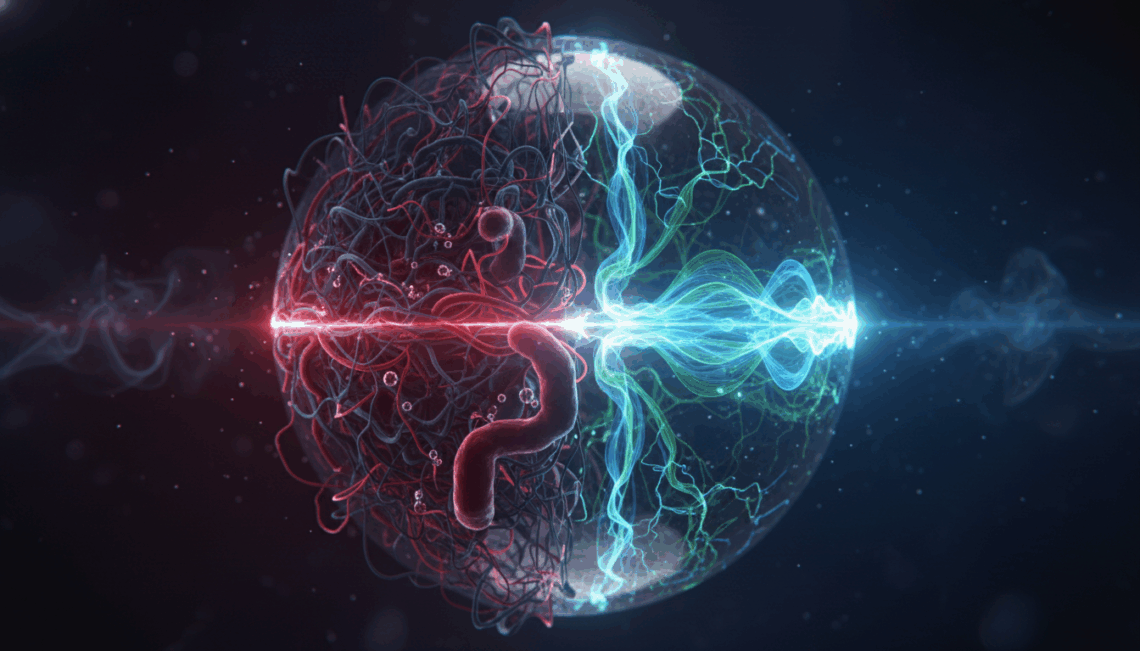
The problems begin when this ecosystem is disrupted, a condition known as dysbiosis. This is when harmful bacteria begin to outnumber the beneficial ones. This imbalance can lead to improper digestion of food, which then ferments in your gut. The byproduct of this fermentation is excess gas, which leads directly to the pressure and swelling you feel as bloating. This isn’t just about discomfort; dysbiosis can trigger inflammation and even contribute to a condition known as “leaky gut,” where the intestinal lining becomes more permeable, allowing undigested particles and toxins to enter the bloodstream.
The Telltale Signs of an Unbalanced Gut
While the most obvious symptoms are digestive, an imbalanced microbiome can send signals throughout your body. Recognizing these signs is key to identifying the core problem.
- Chronic Digestive Issues: This is the most direct sign. Besides bloating and gas, you might experience constipation, diarrhea, or heartburn.
- Unexplained Weight Changes: A struggling gut can impair your body’s ability to absorb nutrients, regulate blood sugar, and store fat, leading to unintentional weight gain or loss.
- Persistent Skin Problems: The “gut-skin axis” is a well-documented connection. Inflammation in the gut can manifest on your skin as acne, eczema, or rosacea.
- Constant Fatigue: If your body is working overtime to manage gut inflammation and isn’t absorbing nutrients properly, you’ll feel tired and run-down, even with enough sleep.
- Mood Swings and Brain Fog: A significant portion of your body’s serotonin (the “feel-good” neurotransmitter) is produced in the gut. Dysbiosis can disrupt this production, leading to anxiety, depression, and difficulty concentrating.
What Causes Constant Bloating and Gas? The Root Culprits
So, what knocks your gut microbiome off balance in the first place? Several factors in our modern lifestyle can be significant contributors to the causes of constant bloating and gas. Identifying your personal triggers is a crucial step toward finding a solution.
1. A Diet Lacking in Diversity and Fiber
Your gut microbes thrive on fiber, particularly prebiotic fiber found in fruits, vegetables, and whole grains. A diet high in processed foods, sugar, and unhealthy fats starves the beneficial bacteria and feeds the harmful ones. This is one of the most common causes of dysbiosis and the resulting digestive distress.
2. Chronic Stress
Your gut and brain are in constant communication. When you’re stressed, your body releases cortisol, a hormone that can suppress the growth of good bacteria and increase inflammation in the gut. This can slow down digestion, leading to fermentation and gas buildup.
3. Use of Antibiotics and Other Medications
While often necessary, antibiotics are like a bomb to your microbiome. They don’t distinguish between good and bad bacteria, wiping out large portions of your beneficial microbes. This can leave your gut vulnerable to an overgrowth of harmful bacteria. Other medications, like NSAIDs and acid blockers, can also disrupt the delicate balance.
4. Food Intolerances or Sensitivities
Undiagnosed sensitivities to common foods like gluten, dairy, or certain carbohydrates (FODMAPs) can cause significant inflammation and fermentation in the gut. Your body struggles to break them down properly, leading directly to bloating, gas, and pain.

How to Restore Balance to Your Gut for Lasting Relief
The good news is that you have the power to restore your gut’s natural balance. It requires a holistic approach that addresses the root causes of the problem. Simply treating the symptom of bloating with temporary fixes won’t lead to long-term relief. It’s about creating a gut-friendly environment where beneficial microbes can flourish. For anyone struggling, it’s always recommended to consult with a healthcare professional to rule out any underlying medical conditions.
The Powerful Role of Probiotics in Gut Health
One of the most effective strategies for rebalancing your gut is through the introduction of probiotics. Probiotics are live, beneficial bacteria that help replenish and support your gut’s natural population of good microbes. They work by colonizing your gut, crowding out harmful bacteria, and helping to restore the intestinal barrier. While you can get probiotics from fermented foods like yogurt, kefir, and sauerkraut, a targeted probiotic supplement can provide a more potent and diverse range of beneficial strains specifically chosen for their ability to support digestive health.
Introducing a Targeted Solution: PrimeBiome
When looking for a supplement, it’s important to choose one that is specifically formulated to address the complex issues behind gut imbalance. PrimeBiome is designed to be a comprehensive solution for gut health. It contains a powerful blend of well-researched probiotic strains, such as Lactobacillus Acidophilus, Bifidobacterium Longum, and Lactobacillus Rhamnosus.
These strains are not chosen at random; they are selected for their proven ability to support a healthy gut lining, reduce the gas-producing activity of harmful bacteria, and promote overall digestive comfort. By delivering a concentrated dose of these beneficial microbes, PrimeBiome aims to help repopulate your gut, strengthen your body’s natural defenses, and create an environment where healthy digestion can become the norm, not the exception.
Creating a Sustainable Gut-Friendly Lifestyle
A supplement can be a powerful ally, but it works best as part of a broader lifestyle change. Combining a high-quality probiotic with these habits can accelerate your journey to a healthier gut.
- Eat the Rainbow: Focus on incorporating a wide variety of plant-based foods into your diet. Each type of plant feeds different strains of good bacteria, promoting a diverse and resilient microbiome.
- Manage Your Stress: Incorporate stress-reducing activities into your daily routine. This could be mindfulness, meditation, yoga, or simply spending time in nature.
- Stay Hydrated: Water is essential for healthy digestion and helps fiber do its job effectively. Aim for at least 8 glasses a day.
- Prioritize Sleep: Your body performs critical repair functions while you sleep, including in your gut. Aim for 7-9 hours of quality sleep per night.
In conclusion, understanding the causes of constant bloating and gas is the first step toward finding a real solution. It’s rarely about a single food or a single bad habit; it’s about the overall health and balance of your gut microbiome. By addressing dysbiosis through diet, stress management, and the targeted support of a high-quality probiotic like PrimeBiome, you can move beyond simply managing symptoms and begin to heal your gut from the inside out. This holistic approach offers the promise of not just alleviating bloating, but enhancing your overall health, energy, and well-being for years to come.