Understanding the Telltale Signs of Crepey Skin
You may have heard the term “crepey skin” and wondered if it’s just another name for wrinkles. While both are signs of aging, they present differently. Wrinkles are typically lines or folds that form around expressive areas like your eyes (crow’s feet) or mouth (laugh lines). Crepey skin, however, refers to a more widespread change in skin texture. It looks thin, fragile, and finely wrinkled, much like crepe paper. It often appears on larger surface areas such as the inner arms, neck, chest, and knees.
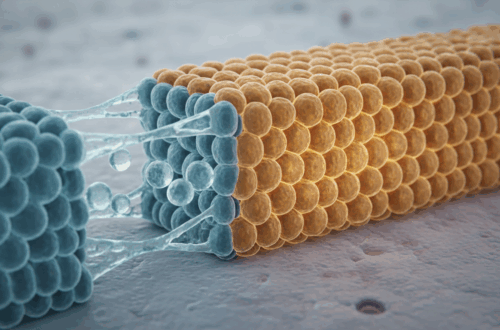
The core issue behind this texture is a loss of skin elasticity and thickness. As the foundational support structure within your skin weakens, it can no longer bounce back as it once did, leading to that delicate, paper-like appearance. Understanding the crepey skin causes and treatments is the first step toward restoring a smoother, firmer look.
The Primary Causes of Crepey Skin
Several factors contribute to the development of crepey skin, with some being within our control and others not. Let’s explore the main culprits.
1. Sun Damage: The Number One Factor
If there’s one dominant cause of crepey skin, it’s long-term sun exposure. Ultraviolet (UVA and UVB) radiation from the sun penetrates the skin and breaks down collagen and elastin, the two essential proteins that give your skin its structure, strength, and flexibility. Think of them as the scaffolding that holds your skin up. When they degrade, the skin loses its foundation, becomes thinner, and starts to sag and crinkle.
2. The Natural Aging Process
As we age, our bodies naturally produce less collagen and elastin. Skin cell turnover slows down, and the production of oils that keep the skin hydrated and supple decreases. This combination of factors leads to thinner, drier, and less resilient skin, making it highly susceptible to developing a crepey texture. This is a key reason why understanding crepey skin causes and treatments is so important for long-term skin health.
3. Dehydration and Moisture Loss
Hydration is crucial for plump, healthy-looking skin. When your skin lacks moisture, either from not drinking enough water or from environmental factors, it can shrivel and appear more wrinkled and thin. Chronic dehydration can significantly exacerbate the appearance of crepey skin over time.
4. Significant Weight Fluctuations
Rapid or significant weight loss can also contribute to crepey skin. When you lose a large amount of weight, the skin that was stretched may not have enough elasticity to shrink back to its former size, leaving it loose and prone to a crepey appearance.
5. Genetics and Lifestyle Choices
Your genetic makeup can play a role in how your skin ages. Some people are simply more predisposed to developing crepey skin than others. Furthermore, lifestyle habits like smoking can accelerate skin aging by impairing blood flow and introducing harmful free radicals that damage collagen and elastin.

Effective Treatments and Management Strategies
Now that we’ve explored the causes, let’s focus on the solutions. A combination of at-home care, lifestyle adjustments, and targeted treatments can make a significant difference in the texture and firmness of your skin.
Building a Foundation: Lifestyle and Prevention
- Sun Protection is Non-Negotiable: The best treatment is prevention. Apply a broad-spectrum sunscreen with an SPF of 30 or higher every single day, rain or shine. This protects your existing collagen and prevents further damage.
- Hydrate Inside and Out: Drink plenty of water throughout the day to keep your skin cells plump. Topically, use moisturizers rich in humectants like hyaluronic acid, which draws moisture into the skin, and emollients like ceramides or shea butter, which lock it in.
- Eat a Nutrient-Rich Diet: A diet rich in antioxidants (from fruits and vegetables), healthy fats (from avocados and nuts), and lean protein can provide your body with the building blocks it needs for healthy skin. Vitamins C and E are particularly important for skin repair and protection.
Topical Treatments for Crepey Skin
When it comes to topical solutions, certain ingredients are more effective than others at addressing the structural issues behind crepey skin.
Retinoids: Derivatives of vitamin A, such as retinol and prescription-strength tretinoin, are renowned for their ability to boost collagen production and accelerate skin cell turnover. This can help improve skin thickness and reduce the appearance of fine lines and crepiness over time. It’s important to start slowly with retinoids as they can cause irritation.
Alpha Hydroxy Acids (AHAs): Ingredients like glycolic acid and lactic acid exfoliate the surface of the skin, removing dead cells and revealing smoother, brighter skin underneath. This exfoliation can also stimulate collagen production at a deeper level.
A Targeted Approach: The Role of Polyphenol-Rich Serums
While the strategies above are excellent for overall skin health, addressing the deep-seated “dermal collapse” that causes advanced crepey skin often requires a more specialized approach. The breakdown of the skin’s structural grid is the real problem, and this is where specific, powerful compounds come into play.
Scientists and dermatologists have identified certain plant-based polyphenols as uniquely effective in supporting the skin’s matrix. These compounds can help protect against environmental damage and provide the essential components needed to reinforce the skin’s foundational structure. This is a crucial aspect of finding effective crepey skin causes and treatments.
Introducing Mitolyn: A Super-Serum for Dermal Support
This is where a product like Mitolyn enters the conversation. It isn’t just another moisturizer; it’s a concentrated “super-serum” specifically formulated with a potent blend of polyphenols designed to target the root cause of crepey skin—the weakening of the dermal grid.
Mitolyn works by delivering these specialized nutrients directly to the skin, helping to support the structures that provide firmness and elasticity. The goal is to help the skin look and feel more resilient, plumper, and lifted. By addressing the “dermal collapse” head-on, it offers a solution that goes beyond superficial hydration. It is designed for those who have noticed that thin, paper-like texture on their hands, neck, arms, or face and are looking for a powerful, targeted treatment.
Conclusion: A Proactive Path to Smoother Skin
Crepey skin is a common concern that results from a combination of sun damage, aging, and lifestyle factors that lead to a breakdown of your skin’s essential support system. While you can’t turn back the clock, you can take decisive action. A comprehensive approach that includes diligent sun protection, proper hydration, and a healthy diet is the foundation. For those seeking to make a more significant impact, incorporating targeted treatments with proven ingredients is key. By understanding the crepey skin causes and treatments available, including advanced polyphenol-rich serums like Mitolyn, you can actively work towards restoring a firmer, smoother, and more youthful-looking complexion.
As always, for persistent or severe skin concerns, it’s recommended to consult with a board-certified dermatologist to discuss a personalized treatment plan that is right for you.
Frequently Asked Questions (FAQ)
Is crepey skin the same as wrinkles?
No. While both are signs of aging, wrinkles are typically defined lines caused by muscle movement. Crepey skin is a more widespread issue of thin, fragile-feeling skin with fine, crinkly lines, resembling crepe paper. It’s caused by the thinning of the dermis and epidermis.
Can you completely reverse crepey skin?
Completely reversing crepey skin is challenging, but you can significantly improve its appearance. A consistent routine of sun protection, moisturizing, and using targeted treatments with ingredients like retinoids, AHAs, and specialized polyphenols can help rebuild collagen and improve skin texture and thickness.
What is the single most important thing I can do to prevent crepey skin?
Without a doubt, the most critical step is diligent sun protection. Applying a broad-spectrum sunscreen with an SPF of 30 or higher every day is the best way to prevent the breakdown of collagen and elastin that leads to crepey skin.