
Understanding the Frustration of Crepey Skin
It often starts subtly. You look down at your arms, your knees, or your upper chest and notice the skin doesn’t look as smooth and firm as it used to. It has a new texture, almost like finely wrinkled tissue paper. This is crepey skin, and it can be a source of frustration for many, making them feel self-conscious and older than they are. If you’ve been wondering what causes crepey skin on arms and legs and why the creams you’ve tried aren’t making a difference, you are not alone. This guide aims to demystify the condition, exploring not just the surface-level causes but the deeper, cellular reasons your skin texture is changing.
What Exactly Is Crepey Skin?
Unlike fine lines or deep-set wrinkles that form from repetitive muscle movements, crepey skin is a broader issue of skin texture. It’s characterized by skin that is thin, fragile, and finely wrinkled, resembling crepe paper. While it’s most common in areas with thinner skin and significant sun exposure, like the arms, legs, neck, and chest, it can appear anywhere on the body. This thinning and loss of elasticity are the visual cues that deeper changes are happening within the skin’s structure.
The Common Culprits Behind Thin, Papery Skin
To effectively address crepey skin, we first need to understand its primary triggers. Most conventional advice centers on a few key factors, and they all play a significant role.
1. Sun Damage: The Number One Accelerator
If there is a primary villain in the story of skin aging, it’s ultraviolet (UV) radiation from the sun. Years of sun exposure break down collagen and elastin, the two essential proteins that give skin its structure, firmness, and elasticity. Collagen acts as the scaffolding, while elastin allows the skin to snap back into place. When these fibers are damaged, the skin’s support structure weakens, leading to sagging and the tell-tale crinkly texture of crepey skin.
2. The Natural Aging Process and Collagen Loss
Starting in our mid-20s, our bodies naturally begin to produce less collagen. This decline accelerates with age. As collagen levels drop, the skin becomes thinner and less resilient. This intrinsic aging process, combined with external factors like sun damage, creates the perfect storm for the development of crepey skin. The once-dense network of protein fibers becomes sparse, and the skin can no longer maintain its smooth, plump appearance.
3. Dehydration: A Lack of Internal and External Moisture
Hydration is crucial for healthy skin. When your body is dehydrated, it affects your skin’s ability to repair itself and maintain its plumpness. Similarly, dry environments or harsh skincare products can strip the skin of its natural oils, compromising its protective barrier. A dehydrated skin cell is like a deflated balloon; it shrivels and causes the surface to look dull and finely wrinkled, exacerbating the crepey texture.
4. Significant or Rapid Weight Loss
Losing a large amount of weight quickly can also contribute to crepey skin. When the skin has been stretched for a prolonged period, its collagen and elastin fibers can be damaged. After the weight is lost, the skin may not have enough elasticity to shrink back to its new size, resulting in loose, sagging, and often crepey-looking skin.

Beyond the Surface: The Cellular Root of Aging Skin
While sun protection and hydration are non-negotiable for skin health, sometimes they aren’t enough to reverse the appearance of crepey skin. This is because the problem often lies deeper, at the cellular level. To truly understand what causes crepey skin on arms and legs, we need to talk about the powerhouses of our cells: the mitochondria.
Meet Your Mitochondria: The Energy Producers
Every single cell in your body, including your skin cells, contains thousands of tiny organelles called mitochondria. Their primary job is to convert nutrients from the food we eat into cellular energy (known as ATP). This energy fuels every biological process, from muscle contraction to brain function and, crucially, skin cell repair and regeneration. Think of them as tiny batteries that power your skin’s ability to produce collagen, fight off damage, and keep itself smooth and youthful.
How Mitochondrial Decline Impacts Your Skin
As we age, and especially due to damage from UV rays and environmental toxins, our mitochondria can become less efficient. Their internal pathways can get “clogged” with cellular waste and byproducts. When this happens, energy production plummets. Your skin cells no longer have the fuel they need to perform their essential functions:
- Collagen Production Slows: Without adequate energy, fibroblasts (the skin cells responsible for making collagen) become sluggish. The skin’s supportive scaffolding weakens further.
- Cellular Repair Fails: The energy-intensive process of repairing damaged DNA and proteins is compromised, leading to an accumulation of cellular damage.
- Reduced Cell Turnover: The process of shedding old, dull skin cells and replacing them with new, fresh ones slows down, contributing to a lackluster and uneven texture.
This decline in cellular energy is a foundational reason why skin becomes thin, fragile, and crepey. It’s the underlying “power failure” that prevents the skin from healing and maintaining itself effectively.
A Targeted Approach to Restore Skin’s Youthful Appearance
Addressing crepey skin effectively requires a two-pronged approach. First, you must continue with the fundamentals: protect your skin from the sun with a broad-spectrum sunscreen, keep it well-hydrated by drinking plenty of water and using a quality moisturizer, and eat a nutrient-rich diet. Second, you can support your skin at the cellular level by addressing the mitochondrial health we just discussed.
Introducing Mitolyn: A New Approach to Skin Science
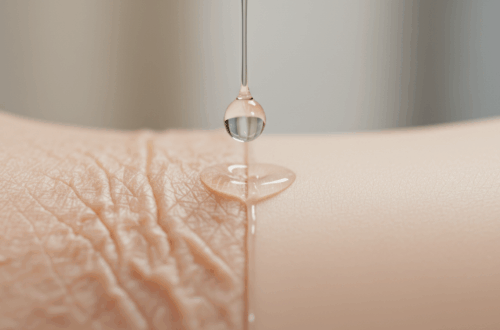
This is where targeted formulations can play a unique role. Mitolyn is a serum developed based on the science of mitochondrial health. Its formula is designed to address the “clogging” within mitochondria that can hinder cellular energy production. By helping to clear these pathways, it aims to support the skin cells’ natural ability to function at a more youthful level.
Instead of just providing surface-level hydration, Mitolyn is designed to work with your body’s own biology. By supporting the energy factories within your cells, you provide your skin with the resources it needs to carry out its regenerative processes more effectively. This can lead to visible improvements in skin texture, firmness, and overall radiance, helping to reduce the appearance of that frustrating crepey quality.
Your Comprehensive Strategy for Smoother Skin
Tackling crepey skin is a journey, not an overnight fix. It begins with understanding that the issue is more than skin deep. By combining proven skin health habits with a new understanding of cellular energy, you can create a powerful, holistic strategy. Protect your skin from further damage, provide it with the hydration and nutrients it needs, and consider supporting its fundamental power source.
Remember, the goal is not just to mask the problem, but to address the underlying factors to help your skin look and feel its best. Understanding what causes crepey skin on arms and legs is the first step toward reclaiming a smoother, firmer, and more radiant appearance.
Frequently Asked Questions (FAQ)
Can you completely reverse crepey skin?
While completely reversing severe crepey skin can be difficult, you can make significant improvements in its appearance. A consistent routine of sun protection, intense hydration, and using products that support collagen production and cellular health can visibly smooth and firm the skin over time.
Does drinking more water help with crepey skin?
Yes, absolutely. Proper hydration is essential for skin health. When you are well-hydrated, your skin cells are plumper, which can help minimize the appearance of fine lines and the crinkly texture of crepey skin. Aim for at least 8 glasses of water a day.
What is the most important product to use for crepey skin?
The single most important product is a broad-spectrum sunscreen with an SPF of 30 or higher, applied daily to all exposed skin. Preventing further UV damage is critical to stopping the breakdown of collagen and elastin that causes crepey skin in the first place.
How long does it take to see results?
Patience is key. With any skincare routine, it can take anywhere from 4 to 12 weeks to begin seeing noticeable improvements in skin texture. Consistency is more important than anything else. Stick with your routine daily for the best results.