Understanding the Frustration of Crepey Skin
Have you ever looked at your arms, knees, or the delicate skin under your eyes and noticed a change? It’s not just a fine line or a simple wrinkle. The texture itself seems different—thinner, looser, and finely wrinkled, almost like crepe paper. This common yet frustrating condition is known as crepey skin, and it can make you feel like your skin is aging faster than you are. Understanding the primary causes of crepey skin is the first and most crucial step toward addressing it effectively and restoring a smoother, firmer appearance.
Unlike regular wrinkles, which are typically caused by repetitive muscle movements, crepey skin is a sign of a deeper structural breakdown. It speaks to a loss of elasticity and thickness in the skin. Many people assume it’s an inevitable part of aging, but while age is a factor, it’s not the whole story. Several elements, from sun exposure to lifestyle habits, contribute to this change. In this guide, we will explore the cellular mechanisms behind crepey skin and discuss actionable strategies to help you manage it and regain confidence in your skin.
What Is Crepey Skin, Exactly?
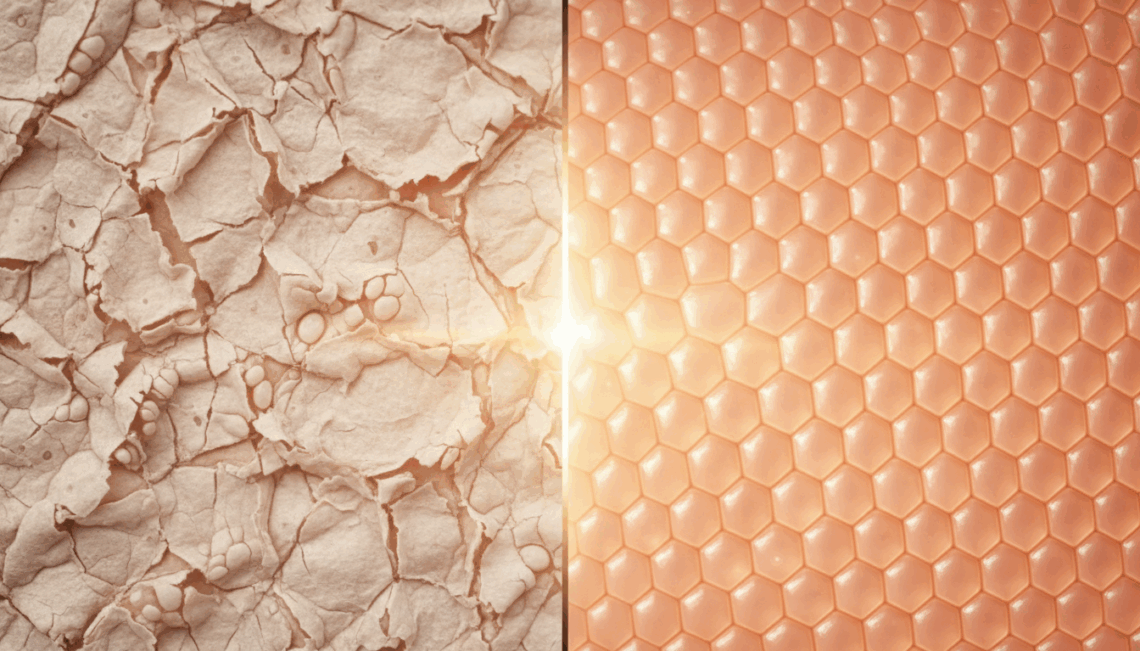
Before diving into the causes, it’s important to distinguish crepey skin from other skin concerns. Imagine a piece of crepe paper—it’s thin, delicate, and has a crinkled surface. Crepey skin mimics this texture. It feels fragile and lacks the plump, bouncy quality associated with youthful skin. While it often appears in areas with thin skin, such as around the eyes, on the neck, and the inner parts of the upper arms, it can develop anywhere on the body.
The key difference lies in the skin’s foundation. Wrinkles are creases that form from repeated facial expressions, while crepey skin is a widespread textural change resulting from the thinning of the epidermis (the outer layer of skin) and the dermis (the layer beneath it), where crucial proteins like collagen and elastin reside.
The Deep-Seated Causes of Crepey Skin
The development of crepey skin isn’t an overnight event. It’s the result of cumulative damage and biological changes happening deep within your skin’s layers. Understanding these factors is key to choosing the right approach to restore its resilience.
1. Sun Damage: The Number One Culprit
If there is one primary driver behind crepey skin, it’s long-term, unprotected sun exposure. The sun’s ultraviolet (UVA and UVB) rays are incredibly damaging to the skin’s structural integrity. UVA rays, in particular, penetrate deep into the dermis and trigger the breakdown of collagen and elastin fibers. These proteins are responsible for your skin’s firmness and ability to snap back into place. When they are damaged, the skin’s support network weakens, leading to the thin, crinkled texture of crepey skin. This is why it often appears on areas most exposed to the sun, like the face, neck, chest, and arms.
2. The Natural Aging Process and Collagen Loss
Starting in our mid-20s, our bodies naturally begin to produce less collagen—about 1% less each year. This gradual decline accelerates after menopause for women. Collagen is the most abundant protein in our bodies, providing the scaffolding that keeps skin firm and plump. As production slows and existing collagen fibers weaken, the skin becomes thinner and less able to retain its structure, making it more susceptible to developing a crepey appearance.
3. Dehydration and Moisture Loss
Proper hydration is essential for healthy, resilient skin. When your skin is dehydrated, it loses its plumpness and volume, which can accentuate the appearance of fine lines and a crinkled texture. This isn’t just about drinking enough water; it’s also about the skin’s ability to hold onto moisture. A compromised skin barrier, often caused by harsh soaps or environmental factors, allows moisture to escape, leaving the skin dry, dull, and more prone to looking crepey.
4. Significant Weight Fluctuations
Rapid or significant weight loss can also be one of the causes of crepey skin. When you gain weight, your skin stretches to accommodate the increased volume. Losing that weight, especially quickly, can leave behind loose skin that has lost some of its elasticity. The stretched collagen and elastin fibers may not be able to fully retract, resulting in a saggy or crepey texture, particularly on the arms, abdomen, and thighs.

Lifestyle Strategies to Improve Skin Texture
While some factors like genetics and natural aging are beyond our control, you can adopt several powerful habits to improve your skin’s health and reduce the appearance of crepiness. It’s never too late to start making a difference.
Protect Your Skin from the Sun, Religiously
Since sun damage is the leading cause, sun protection is your most effective defense. Make a broad-spectrum sunscreen with an SPF of 30 or higher a non-negotiable part of your daily routine. Apply it generously to all exposed skin, not just your face, and reapply every two hours when outdoors. Protective clothing, hats, and seeking shade are also crucial components of a sun-safe lifestyle.
Focus on Hydration and Nutrition
Hydrating from the inside out is vital. Aim to drink plenty of water throughout the day. Additionally, incorporate foods rich in antioxidants, vitamins, and healthy fats into your diet. Berries, leafy greens, avocados, and nuts help fight free radical damage, which contributes to skin aging. A diet rich in protein also provides the necessary amino acids for building strong collagen.
Use Moisturizers with Targeted Ingredients
A high-quality moisturizer is essential for combating crepey skin. Look for products formulated with ingredients that support hydration and skin barrier function. Key ingredients to look for include:
- Hyaluronic Acid: A powerful humectant that can hold up to 1,000 times its weight in water, drawing moisture into the skin for a plumping effect.
- Ceramides: These are lipids that help form the skin’s natural barrier and retain moisture.
- Retinoids: Derivatives of vitamin A, retinoids are renowned for their ability to stimulate collagen production and promote cellular turnover, which can improve skin thickness and texture over time. It’s best to start slowly and consult a dermatologist.
- Peptides: These are short chains of amino acids that act as building blocks for proteins like collagen and elastin.
A Targeted Approach to Support Cellular Renewal
While topical treatments and lifestyle changes are the foundation of managing crepey skin, scientific advancements have shed light on the importance of addressing skin health from a cellular level. The health of our mitochondria—the tiny powerhouses within our cells—plays a significant role in how our skin ages. These organelles are responsible for generating the energy our cells need to repair damage, produce collagen, and maintain their youthful function.
As we age, mitochondrial function can decline, leading to reduced cellular energy and an increase in oxidative stress. This can accelerate the breakdown of collagen and elastin, contributing directly to the thinning and weakening of the skin. Supporting your cellular health can therefore be a powerful strategy in your fight against crepey skin.
This is where specialized supplements designed to support mitochondrial health, like Mitolyn, can offer a complementary approach. By providing targeted nutrients that help protect and rejuvenate cellular function, Mitolyn aims to address the aging process from the inside out. It works to support the body’s natural ability to produce energy and combat the oxidative stress that damages skin structures. When combined with a diligent skincare routine and a healthy lifestyle, this internal support can help fortify your skin’s foundation, promoting a firmer and more resilient appearance. It’s about creating an environment where your skin cells have the energy and resources they need to function optimally.
Frequently Asked Questions About Crepey Skin
Can you completely reverse crepey skin?
While completely reversing crepey skin can be challenging, especially if the damage is severe, you can significantly improve its appearance. A consistent combination of sun protection, targeted skincare, a healthy lifestyle, and potentially in-office treatments from a dermatologist can restore thickness, firmness, and hydration to the skin, making the crepiness far less noticeable.
Does exercise help with crepey skin?
Yes, exercise can help. Building muscle tone, particularly through strength training, can help firm up the areas beneath the skin. This can create a smoother contour and reduce the loose appearance associated with crepey skin, especially on the arms and legs. Furthermore, exercise improves circulation, which delivers vital nutrients to your skin cells.
Is there a difference between dry skin and crepey skin?
Yes. Dry skin is a temporary condition characterized by a lack of moisture in the outermost layer of the skin, often causing flakiness or itching. It can typically be resolved with a good moisturizer. Crepey skin, however, is a deeper structural issue involving the thinning of the epidermis and dermis due to a loss of collagen and elastin. While dehydration can make crepey skin look worse, they are not the same condition.
Your Path to Smoother, Firmer Skin
Dealing with crepey skin can be disheartening, but it’s important to remember that you have significant power to improve its texture and appearance. The journey begins with understanding that the root causes of crepey skin are a combination of sun damage, natural aging, and lifestyle factors. By committing to diligent sun protection, embracing a hydrating skincare routine, and nourishing your body from the inside out, you provide your skin with the tools it needs to rebuild and repair. Supporting your health at a cellular level offers another promising frontier in this effort, helping to restore the energy and resilience that define youthful skin. Be patient and consistent with your approach, and always consider consulting a dermatologist for personalized advice on your journey to healthier skin.