
What is Crepey Skin, Really?
You may have heard the term “crepey skin” and wondered if it’s just another name for wrinkles. While related to aging, it’s a distinct skin concern. Imagine a delicate piece of crepe paper—thin, fragile, and finely wrinkled. That’s the texture that crepey skin resembles. It often appears in areas where the skin is naturally thinner, such as the inner arms, under the eyes, on the chest, and above the knees.
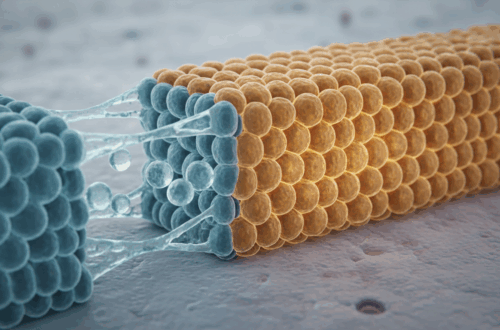
Unlike expression wrinkles, which form from repeated muscle movements, crepey skin is a result of the thinning of the epidermis (the top layer of skin) and the dermis (the layer underneath). This causes the skin to lose its elasticity and resilience, making it appear loose, saggy, and covered in a network of fine, crinkly lines. Understanding what causes crepey skin is the first and most crucial step toward effectively addressing it.
The Primary Causes of Crepey Skin
The development of crepey skin isn’t due to a single factor but rather a combination of internal and external influences that degrade the skin’s structural integrity over time. Let’s explore the most significant contributors.
Sun Damage: The Number One Culprit
If there is one primary villain in the story of skin aging, it’s unprotected sun exposure. Ultraviolet (UVA and UVB) radiation from the sun is the leading cause of crepey skin. These harmful rays penetrate deep into the dermis, where they trigger the breakdown of collagen and elastin—the two essential proteins that give your skin its firmness, structure, and elasticity.
Think of collagen and elastin as the scaffolding that holds your skin up. Sun damage weakens this scaffolding, causing the skin to thin and sag, leading directly to that tell-tale crepey texture. The damage is cumulative, meaning the effects of sun exposure from your younger years can manifest as crepey skin decades later.
The Natural Aging Process
As we age, our bodies naturally produce less collagen and elastin. Starting in our mid-20s, collagen production declines by about 1% each year. Furthermore, the skin produces fewer natural oils, or sebum, over time. This oil is crucial for maintaining a healthy moisture barrier, which locks in hydration and protects the skin from external irritants. A compromised barrier leads to dryness and dehydration, making the skin more susceptible to fine lines and a crepe-like appearance.
Dehydration and Moisture Loss
Hydration is vital for plump, healthy-looking skin. When your skin lacks moisture, whether from not drinking enough water or from a weakened skin barrier, it can quickly begin to look dull and thin. Dehydrated skin cells shrivel, which can exaggerate the appearance of fine lines and contribute to a crinkly texture. This is why even younger individuals can sometimes experience temporary crepey-looking skin when they are dehydrated.
Significant Weight Fluctuations
Rapid or significant weight loss can also lead to crepey skin. When you gain weight, your skin stretches to accommodate the increased volume. Losing that weight, especially quickly, can leave behind excess skin that has lost its ability to snap back into place. The supporting collagen and elastin fibers may have been damaged by the stretching, resulting in loose, crepey areas.
Can You Really Improve the Appearance of Crepey Skin?
The good news is that yes, you can take significant steps to improve the texture and firmness of crepey skin. While it may not be possible to completely reverse the damage, a consistent and targeted approach can lead to visibly smoother, tighter, and more resilient skin. The key is to focus on three main goals: protecting the skin from further damage, deeply hydrating and nourishing it, and supporting its underlying dermal structure.

Key Ingredients and At-Home Strategies
When looking for topical treatments, certain ingredients are known for their ability to combat the factors that cause crepey skin. Incorporating these into your daily routine can make a noticeable difference.
Deep Hydration is Non-Negotiable
Look for humectants, which draw moisture from the air into your skin. Ingredients like hyaluronic acid and glycerin are excellent for this. Pair them with emollients and occlusives, such as ceramides, shea butter, or squalane, which help to repair the skin barrier and lock that moisture in.
Gentle Exfoliation for Cell Turnover
Exfoliation helps to slough off the outer layer of dead, dull skin cells, revealing the healthier skin underneath and allowing your hydrating products to penetrate more effectively. Alpha-hydroxy acids (AHAs) like lactic acid or glycolic acid are great choices as they also help to stimulate collagen production over time.
Antioxidants to Fight Damage
Antioxidants are crucial for neutralizing free radicals—unstable molecules from sun exposure and pollution that cause damage to skin cells. Vitamin C is a well-known antioxidant that also brightens the skin and supports collagen synthesis. Another powerful class of antioxidants are polyphenols, which are plant-derived compounds known for their potent protective properties.
Introducing a Targeted Dermal Support Serum
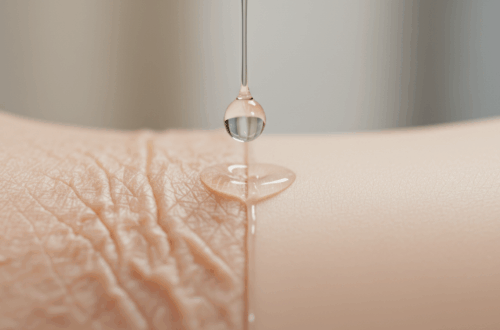
While general moisturizers provide surface hydration, tackling the deep-seated causes of crepey skin often requires a more concentrated approach. This is where specialized serums come in. A well-formulated serum can deliver a high concentration of active ingredients directly to the skin to address the specific structural issues at play.
For instance, a product like Mitolyn is formulated as a Dermal Super-Serum specifically to address the appearance of crepey skin. It works by combining a potent blend of ingredients, including a patented polyphenol complex, designed to provide comprehensive support. These ingredients aim to deeply hydrate the skin, offer powerful antioxidant protection against environmental stressors, and support the skin’s natural matrix. This targeted action helps to restore a visibly tighter, smoother, and more lifted appearance to the skin on the arms, neck, chest, and legs.
Using such a specialized product isn’t about finding a “miracle cure,” but rather about providing your skin with the specific, concentrated nutrients it needs to fight back against the visible signs of thinning and textural damage.
A Comprehensive Routine for Best Results
Topical treatments work best when they are part of a holistic approach to skin health. To maximize your results, consider integrating these habits into your daily life.
Protect Your Skin Every Single Day
The most important step you can take is to prevent further damage. Apply a broad-spectrum sunscreen with an SPF of 30 or higher to all exposed skin every day, regardless of the weather. This is non-negotiable for preventing the further breakdown of collagen and elastin.
Nourish From the Inside Out
A diet rich in antioxidants from fruits and vegetables, healthy fats, and lean protein provides your body with the building blocks for healthy skin. Staying well-hydrated by drinking plenty of water is also essential for maintaining skin plumpness and function.
Be Patient and Consistent
Improving the appearance of crepey skin takes time. Skin cells take about a month to turn over, and it takes even longer for collagen and elastin to rebuild. Be consistent with your skincare routine and healthy habits, and you will see gradual but meaningful improvements over several weeks and months.
In conclusion, understanding what causes crepey skin—a combination of sun damage, aging, and moisture loss—empowers you to take effective action. By committing to a routine that involves diligent sun protection, deep hydration, and the use of targeted treatments designed to support the skin’s dermal structure, you can significantly improve its texture and restore a smoother, firmer, and more youthful appearance.
Frequently Asked Questions About Crepey Skin
What is the main difference between crepey skin and regular wrinkles?
Regular wrinkles, like crow’s feet or smile lines, are typically caused by repeated muscle movements over time. Crepey skin, however, is related to the thinning and loss of elasticity in the skin itself, creating a widespread area of fine, crinkly texture, much like crepe paper. It’s a problem of skin quality rather than muscle movement.
Can I just use my facial moisturizer on my body’s crepey skin?
While using a facial moisturizer is better than nothing, the skin on your body (especially areas like the arms and legs) is thicker and can benefit from richer formulas specifically designed for it. Furthermore, a targeted serum can deliver a higher concentration of active ingredients needed to address the dermal thinning associated with crepey skin.
Is it ever too late to start treating crepey skin?
No, it’s never too late to improve your skin’s health and appearance. While starting earlier is always better for prevention, you can make significant improvements at any age by implementing a consistent routine of sun protection, hydration, and targeted treatments. Remember to always consult with a dermatologist for a personalized care plan, especially if you have sensitive skin or other underlying conditions.