Why Does Healthy Food Make Me Bloated?
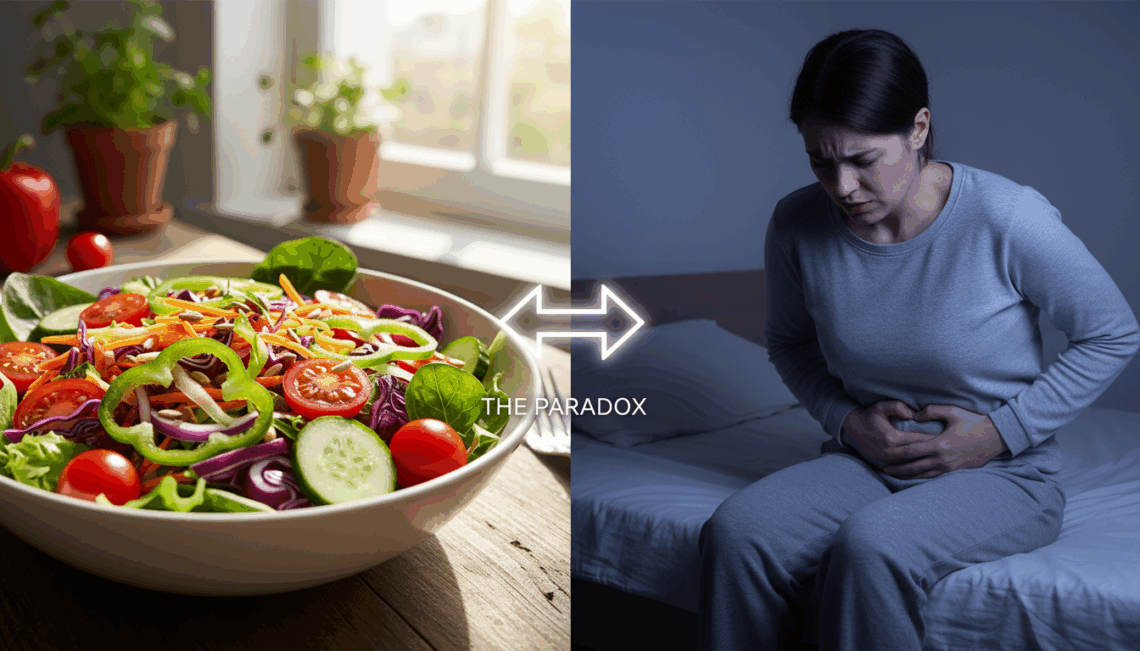
You follow all the rules. You fill your plate with vibrant salads, snack on fruit, and choose whole grains. You might even add probiotics like yogurt or kefir to your diet, hoping to boost your gut health. Yet, instead of feeling energized and light, you’re left with a frustratingly familiar feeling: bloating, gas, and discomfort. If you’ve ever thought, “healthy food makes me bloated,” you are not alone, and you’re not imagining it. This paradox is a common struggle, and understanding why it happens is the first step toward finding real relief.
The wellness world often promotes a one-size-fits-all approach to healthy eating, but our digestive systems are incredibly unique. A food that one person thrives on can be a major trigger for another. This article will explore the hidden reasons behind this “healthy bloat” and provide a strategic approach to reclaim your digestive comfort without abandoning your commitment to health.
The Hidden Culprits in Your “Healthy” Diet
While your intention is good, certain components in otherwise nutritious foods can cause significant digestive distress for sensitive individuals. Let’s break down the most common culprits.
FODMAPs: The Fermentable Saboteurs
FODMAP is an acronym for Fermentable Oligosaccharides, Disaccharides, Monosaccharides, and Polyols. These are specific types of short-chain carbohydrates that are poorly absorbed in the small intestine. When they travel to the large intestine, gut bacteria rapidly ferment them, producing gas as a byproduct. This gas can lead to bloating, cramping, and pain.
- Common High-FODMAP Healthy Foods: Apples, onions, garlic, broccoli, cauliflower, beans, lentils, and even some sweeteners like agave.
Too Much Fiber, Too Soon
Fiber is essential for digestive health, but dramatically increasing your intake can overwhelm your system. There are two types of fiber: soluble and insoluble. While both are beneficial, a sudden flood of fermentable fiber (a type of soluble fiber) can lead to the same gas production issue as FODMAPs. If your gut isn’t accustomed to processing large amounts of fiber, it can result in significant bloating and discomfort.
The Probiotic Paradox
Probiotics are beneficial bacteria, and foods like yogurt, kimchi, and kombucha are praised for their gut-friendly properties. However, for some people, adding more bacteria to an already imbalanced gut can be like adding fuel to a fire. If you have an overgrowth of certain bacteria, particularly in the small intestine (a condition related to SIBO), introducing more microbes can temporarily worsen symptoms.

Is Your Gut a “Clogged Drain”? The Sludge Theory
Beyond specific food triggers, a deeper, more foundational issue may be at play. Imagine your digestive tract as a complex plumbing system. Over time, due to diet, stress, and environmental factors, a sticky, biofilm-like “sludge” can build up along the intestinal walls. This buildup can create several problems:
- Impairs Nutrient Absorption: Even the healthiest food can’t nourish you properly if it can’t be absorbed through the intestinal wall.
- Harbors Unwanted Microbes: This sludge can become a breeding ground for less-desirable bacteria and yeasts, contributing to an imbalanced microbiome.
- Slows Motility: It can physically slow down the passage of waste, leading to constipation and a feeling of perpetual fullness.
In this environment, even “good” foods can cause issues. The fiber and probiotics you’re consuming are entering a system that isn’t prepared to handle them, leading to fermentation, gas, and the frustrating reality that healthy food makes me bloated. The key isn’t just to manage symptoms but to address the underlying environment.
How to Reset Your Gut for Better Digestion
Fixing this issue requires a strategic, multi-step approach. It’s not about restriction forever; it’s about cleansing the system to create a healthy foundation and then intelligently reintroducing foods.
Step 1: Gentle Cleansing and De-Sludging
Before you can rebuild, you need to clear the way. The primary goal is to gently cleanse the digestive tract of the accumulated sludge. This is where a targeted approach can be incredibly effective. Instead of harsh laxatives, consider a formula designed to bind to and remove this buildup.
Products like PrimeBiome are specifically formulated for this purpose. They use a blend of ingredients like Psyllium Husk, Bentonite Clay, and Black Walnut to act like a gentle scrub for your insides. This combination works to absorb toxins and gently scrape away accumulated waste, helping to “unclog the drain” without causing harsh side effects. By addressing the sludge first, you create a cleaner environment where good bacteria can thrive and nutrients can be properly absorbed.
Step 2: Mindful Reintroduction of Foods
Once you’ve focused on cleansing, you can begin to reintroduce foods more mindfully. This doesn’t mean you have to avoid all FODMAPs or fiber forever. Start with small portions of well-cooked vegetables and gradually increase your intake. Keep a food journal to track how you feel. This process helps you identify your specific trigger foods and tolerance levels.
Step 3: Supporting Long-Term Gut Health
With a cleaner gut, you can focus on long-term maintenance. This includes a diverse diet rich in whole foods, managing stress (which has a huge impact on digestion), staying hydrated, and ensuring regular, gentle movement. Once your system is less reactive, you may find that you can tolerate and even benefit from the very same probiotic and fiber-rich foods that once caused you so much trouble.
Creating a Bloat-Free Lifestyle
The journey to a bloat-free life is a marathon, not a sprint. The frustration you feel when healthy food makes me bloated is a valid signal from your body that something deeper needs attention. By shifting your focus from simply adding more “good stuff” to first cleaning up the internal environment, you can create lasting change. It’s about working with your body, not against it, to build a resilient and comfortable digestive system.
Remember to always listen to your body and, when in doubt, consult a healthcare professional. They can help rule out any underlying medical conditions and provide personalized guidance. Your path to digestive wellness starts with understanding the root cause and taking strategic action to fix it.
Frequently Asked Questions (FAQ)
How long does it take to see improvements in bloating?
Individual results can vary significantly. Some people may notice changes within a week of adjusting their diet and starting a cleansing protocol, while for others, it may take a few weeks. Consistency is key.
Can stress cause bloating even with a perfect diet?
Absolutely. The gut-brain axis is a powerful connection. High levels of stress can negatively impact digestion, increase gut sensitivity, and alter the gut microbiome, all of which can lead to bloating regardless of your diet.
Is this article medical advice?
No. This article is for informational and educational purposes only. It is not intended to be a substitute for professional medical advice, diagnosis, or treatment. Always seek the advice of your physician or other qualified health provider with any questions you may have regarding a medical condition.