
The Common Frustration: When ‘Doing Everything Right’ Isn’t Enough
It’s a story many people, especially those over 40, know all too well. You commit to a healthier lifestyle. You cut back on processed foods, count your calories, and make sure you’re getting enough protein and vegetables. You dedicate time to exercise, whether it’s cardio, strength training, or a mix of both. Yet, despite your best efforts, you’re dealing with stubborn fat despite diet and exercise. That frustrating layer, particularly around the belly, hips, and thighs, just refuses to budge. It can feel disheartening, making you question if all your hard work is even worth it.
This experience can lead to a cycle of frustration. You might double down, restricting calories even further or pushing yourself harder at the gym, only to see minimal results and increased fatigue. It’s easy to blame yourself, thinking you must be doing something wrong. But what if the problem isn’t your effort or your discipline? What if the root cause lies deeper, at a cellular level that most traditional weight loss plans fail to address?
Beyond Calories: The Cellular Engine You’re Not Targeting
The conventional wisdom of “calories in, calories out” is a fundamental piece of the weight loss puzzle, but it’s not the whole picture. Our bodies are incredibly complex biological systems, not simple calculators. The real key to understanding stubborn fat lies in our metabolism, which is controlled by tiny powerhouses inside our cells called mitochondria.
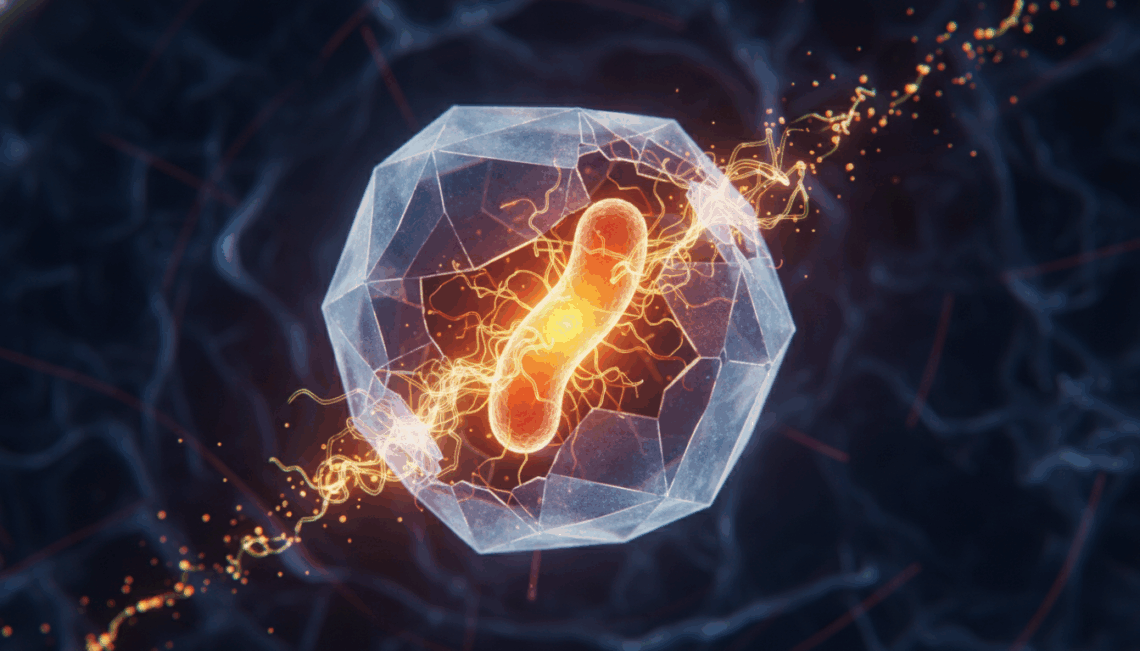
Think of mitochondria as microscopic engines. They take the food we eat (like fats and sugars) and the air we breathe and convert them into the primary energy currency of the body, known as ATP (adenosine triphosphate). This energy fuels everything from muscle contractions to brain function. Crucially, efficient mitochondria are essential for burning fat for fuel. When they are working optimally, your body is a fat-burning machine. When they slow down, your body starts to store fat instead of burning it.
What is Mitochondrial Decline?
As we age, the number and efficiency of our mitochondria naturally begin to decline. This is a primary reason why it becomes harder to lose weight and easier to gain it as we get older. Factors like stress, poor diet, and lack of sleep can accelerate this decline. When your mitochondrial function is compromised, your “cellular engines” become sluggish. They can no longer efficiently convert fat into energy, leading to that stubborn fat accumulation, fatigue, and a feeling of a “slowed metabolism.” You’re putting in the same premium fuel (healthy food and exercise), but the engine just isn’t performing like it used to.
Signs Your Cellular Energy Might Be Low
Dealing with stubborn fat is the most visible sign, but mitochondrial slowdown can manifest in other ways, including:
- Persistent fatigue, even after a full night’s sleep.
- Slower recovery times after workouts.
- Brain fog or difficulty concentrating.
- A general feeling that your body isn’t responding to your efforts.
If this sounds familiar, it’s a strong indicator that you need to shift your focus from simply cutting calories to supporting your body’s fundamental energy production system.

How to Reignite Your Body’s Natural Fat-Burning Furnace
The good news is that you can take proactive steps to support your mitochondrial health and, in turn, help your body become more efficient at burning fat. It’s about working smarter, not just harder. The goal is to provide your cellular engines with the right tools and conditions to perform at their peak.
Nutritional Strategies for Cellular Health
Certain nutrients are vital for mitochondrial function. Ensuring your diet is rich in these compounds can provide powerful support:
- Potassium: This essential mineral is crucial for cellular function and maintaining the proper electrochemical gradients that mitochondria need to produce energy. Many modern diets are deficient in potassium.
- Antioxidants: Berries, dark leafy greens, and colorful vegetables are packed with antioxidants that protect mitochondria from oxidative stress, which is a major cause of their decline.
- B Vitamins: These vitamins are cofactors in many of the enzymatic reactions that occur within mitochondria. They are essential for the energy conversion process.
- Healthy Fats: Omega-3 fatty acids, found in fish and flaxseeds, are integral to the health of mitochondrial membranes, ensuring they can function correctly.
Smart Exercise: Working With Your Body, Not Against It
While all movement is beneficial, certain types of exercise are particularly effective at stimulating mitochondrial biogenesis—the creation of new, healthy mitochondria. High-Intensity Interval Training (HIIT) has been shown to be especially powerful. This involves short bursts of intense effort followed by brief recovery periods. This type of exercise sends a strong signal to your body to produce more energy-producing units to meet the demand.
A Targeted Approach: The Mitolyn Perspective
Even with the best diet and exercise plan, your body may need additional support to overcome years of mitochondrial slowdown. This is where a targeted nutritional supplement can become a valuable part of your strategy. It’s not a magic pill, but rather a way to provide a concentrated dose of the specific nutrients your cellular engines are craving.
Mitolyn is a dietary supplement formulated with the specific challenge of age-related metabolic slowdown in mind. It was created to address the root cause we’ve been discussing: declining mitochondrial function. Instead of just focusing on appetite suppression or metabolic boosting in a general sense, Mitolyn aims to provide the key ingredients needed to support the very core of your body’s energy and fat-burning systems.
How Mitolyn Aims to Address Stubborn Fat
The philosophy behind Mitolyn is to provide a “master key” to help unlock your body’s natural ability to burn fat. By focusing on a key mineral involved in cellular energy transfer, it is designed to complement your existing diet and exercise efforts. It acts as a catalyst, helping to ensure your cellular engines are running as efficiently as possible, so your hard work can finally translate into the results you deserve.
For those who feel like they’ve hit a wall, addressing mitochondrial health could be the missing piece of the puzzle. It shifts the focus from a battle against your body to a partnership with it, giving it the support it needs to function at its best.
Conclusion: Taking the Next Step in Your Journey
If you have been struggling with stubborn fat despite diet and exercise, it’s time to stop blaming yourself. The challenge you face is likely not due to a lack of willpower but to a biological shift in your cellular energy system. By understanding the critical role of mitochondria and taking steps to support their health, you can move beyond the frustration and begin a new, more effective chapter in your wellness journey. A holistic approach that combines a nutrient-dense diet, smart exercise, and targeted supplementation can help reignite your body’s fat-burning potential and help you finally achieve the lasting results you’ve been working so hard for.
Disclaimer: Please consult with a healthcare professional before starting any new supplement or making significant changes to your diet or exercise routine. The information provided in this article is for educational purposes only and is not intended as medical advice.