
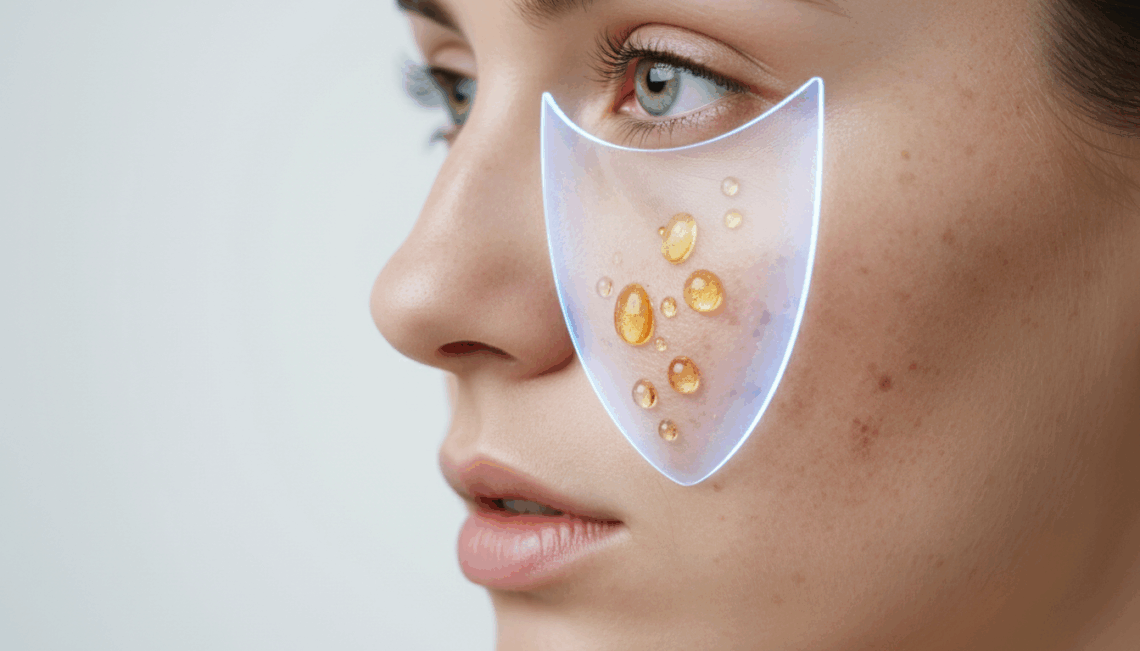
The Frustrating Truth About Stubborn Dark Spots
You’re doing everything right. You cleanse, you apply your serums, you moisturize, and you never, ever skip sunscreen. You’ve invested in products with promising ingredients like Vitamin C, retinol, and niacinamide, all touted as champions in the fight against hyperpigmentation. Yet, you look in the mirror, and the same stubborn dark spots are staring back at you. It can be incredibly disheartening when you realize your dedicated skincare not working for dark spots is a reality you’re facing every day. This feeling of being stuck is common, but it’s not a sign of failure. It might just be a sign that you’re fighting the wrong battle.
Many of us have been taught to treat skin concerns from the outside in, targeting the symptom—the dark spot—directly. But what if the root cause is deeper than the surface? What if there’s a hidden factor that’s preventing your expensive, well-formulated products from delivering the results they promise? It’s time to look beyond the traditional ingredients and explore a fundamental aspect of skin health that is only now getting the attention it deserves: the skin microbiome.
Understanding Hyperpigmentation: The Usual Suspects
Before we dive into the new science, let’s quickly cover the basics. Hyperpigmentation, the clinical term for dark spots, is caused by an overproduction of melanin, the pigment that gives skin its color. This overproduction can be triggered by a few key factors:
- Sun Exposure: UV rays are the number one culprit. They send your melanin-producing cells (melanocytes) into overdrive as a protective mechanism.
- Inflammation: Any trauma to the skin, from acne and eczema to a simple scratch, can leave a dark mark behind, a condition known as post-inflammatory hyperpigmentation (PIH).
- Hormonal Changes: Fluctuations in hormones, often from pregnancy or certain medications, can lead to a type of hyperpigmentation called melasma.
Typically, we combat these spots with ingredients designed to inhibit melanin production, increase cell turnover, and protect from the sun. But when that approach falls short, it’s a sign that something else is at play.
When the ‘Gold Standard’ Skincare Fails
It’s a scenario many know well. You buy a highly-rated Vitamin C serum, use it diligently for months, and see minimal change. You introduce a retinol, endure the initial irritation, and still, the most stubborn spots remain. Why does this happen? While these ingredients are effective, they can be limited if the skin’s underlying environment isn’t healthy. If your skin is in a constant state of low-grade inflammation or its defensive barrier is compromised, it cannot effectively heal and regenerate. It’s like trying to grow a garden in depleted soil. You can have the best seeds (your serums), but without a healthy foundation, they will struggle to flourish.
This is where the conversation needs to shift from just ingredients to the skin’s ecosystem. The problem may not be the product, but the health of the canvas you’re applying it to.

The Hidden Player: Is Your Skin Microbiome Out of Balance?
Imagine your skin as a bustling city. The skin cells are the buildings, and the residents are trillions of microorganisms—bacteria, fungi, and viruses—that live on its surface. This community is your skin microbiome. In a healthy state, this ecosystem is balanced and works symbiotically with your skin, forming a protective shield known as the bio-metabolic barrier. This barrier is your first line of defense against pathogens, pollution, and UV damage. It helps regulate moisture, manage inflammation, and is crucial for overall skin health.
However, this delicate balance can be easily disrupted. Harsh cleansers, over-exfoliation, stress, diet, and even some skincare ingredients can throw the microbiome out of whack. When this happens, harmful bacteria can proliferate, leading to a state of dysbiosis. This imbalance weakens your skin’s defenses, triggers inflammation, and impairs its ability to repair damage. Suddenly, your skin is too busy fighting fires to effectively fade hyperpigmentation. This is a primary reason why your skincare not working for dark spots can be so persistent; the foundational health of your skin is compromised.
A New Approach: The Power of Postbiotics
So, if a compromised microbiome is the problem, how do you fix it? The answer lies in a groundbreaking area of skincare science: postbiotics. You’ve likely heard of probiotics (live beneficial bacteria) and prebiotics (food for that bacteria). Postbiotics are the beneficial compounds produced *by* probiotics. Think of them as the “goods” these helpful bacteria create. They include nutrients like peptides, short-chain fatty acids, and vitamins.
Instead of trying to add live bacteria to the skin (which can be unstable), postbiotic skincare delivers these beneficial compounds directly. This approach helps to:
- Rebalance the Microbiome: Postbiotics help to create an environment where beneficial bacteria can thrive, restoring harmony to the skin’s ecosystem.
- Strengthen the Skin Barrier: They provide essential building blocks to fortify your skin’s natural defenses, improving moisture retention and resilience.
- Calm Inflammation: Many postbiotics have powerful anti-inflammatory properties, reducing the redness and irritation that can lead to more hyperpigmentation.
By addressing the health of the microbiome, you create the optimal environment for your skin to heal. This allows your other skincare products, the ones targeting melanin, to finally do their job effectively. You’re no longer just treating a symptom; you’re nurturing the entire ecosystem for long-term health and radiance.
Creating a Microbiome-Friendly Skincare Routine
Supporting your skin’s microbiome doesn’t require a complete overhaul of your routine. It’s about making smarter, gentler choices. If you suspect an imbalance is why your skincare not working for dark spots is an issue, consider these simple adjustments:
1. Cleanse Gently: Ditch harsh, stripping cleansers that foam excessively. Opt for a pH-balanced, sulfate-free cleanser that respects your skin’s natural barrier.
2. Don’t Over-Exfoliate: While exfoliation is key for dark spots, too much of a good thing can damage your microbiome. Cut back on harsh physical scrubs and high-concentration acids, perhaps using them less frequently.
3. Look for Barrier-Supporting Ingredients: Incorporate products with ceramides, hyaluronic acid, and, of course, postbiotics. These ingredients help to hydrate and strengthen the skin’s defensive layers.
4. Prioritize Sun Protection: Sunscreen is non-negotiable. It not only prevents new spots but also protects your skin’s microbiome from the damaging effects of UV radiation.
Conclusion: A New Path to Clear, Radiant Skin
If you’re at your wit’s end, wondering why your diligent efforts and expensive products aren’t fading your dark spots, it might be time to look deeper. The answer may not be in a stronger serum or a more aggressive peel, but in the invisible ecosystem living on your skin. By shifting your focus from simply treating spots to cultivating a healthy, balanced skin microbiome with the help of innovative postbiotic skincare, you can create a resilient, vibrant foundation. This approach doesn’t just promise to fade dark spots; it offers a path to your healthiest, most radiant skin ever.
Important Disclaimer: The information provided in this article is for educational purposes only and should not be considered medical advice. Skin health is complex, and it is always best to consult with a board-certified dermatologist before making any significant changes to your skincare routine, especially if you have persistent skin concerns.